Martha Stewart’s Halloween costume became a reputational problem when an image of her dressed as a homeless person appeared in an Instagram carousel promoting her QVC candle line. The pairing of a depiction of poverty with a product pitch drew criticism for making homelessness a marketing prop.
The image was later deleted, and Stewart issued statements expressing regret. But reports about her private reaction suggest the public apology hasn’t settled the matter behind the scenes.
Reports describe anger over the response
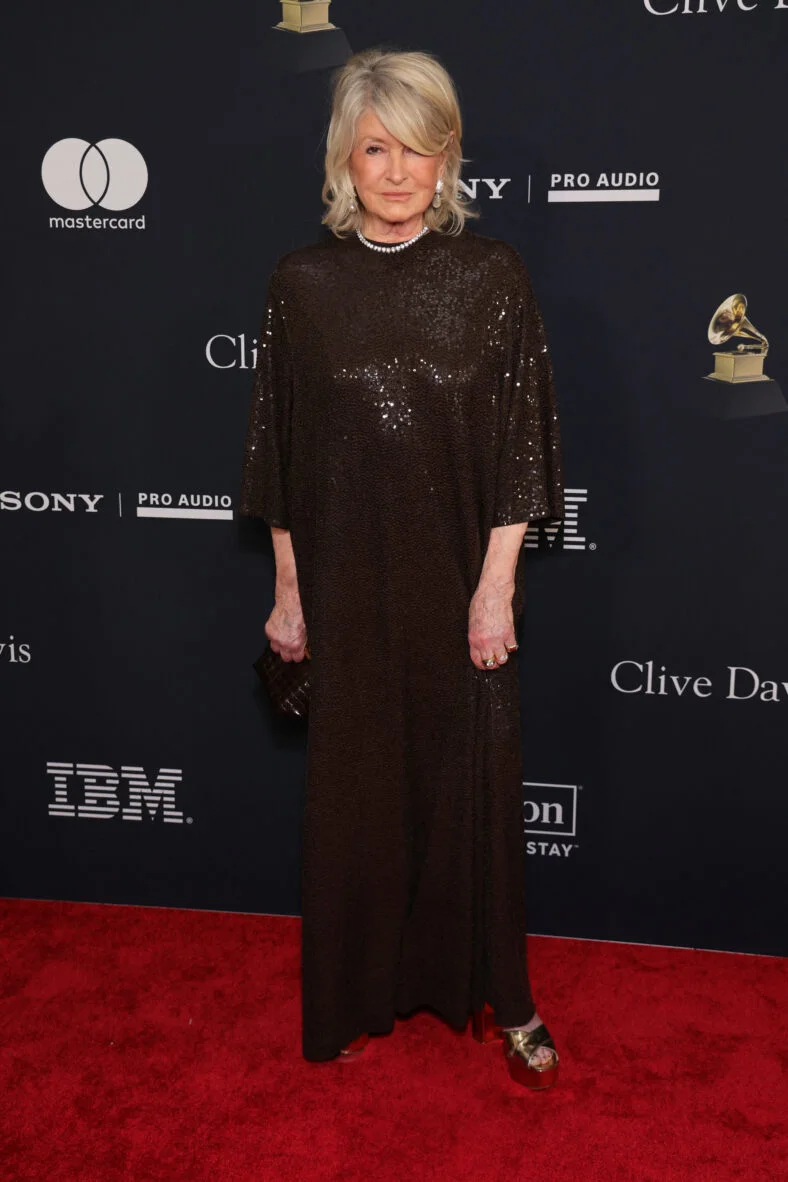
The costume included dirt on Stewart’s face and a sign reading, “I am Hungry, Help me!!” According to a source cited by Rob Shuter’s Substack, Stewart is furious that the post became a public embarrassment and is looking for someone else to blame. The source characterized her as “sorry people are upset, not sorry she did it.”
That account is difficult to square with the claim that the post went live without her involvement. The same source said nothing is published without Stewart’s approval, and that she is now seeking to shift responsibility because the reaction was unexpected.
The post was removed after the backlash grew. Its placement among promotional content helped make the image more contentious: critics objected not only to the costume, but also to its appearance in a carousel advertising candles.
Stewart’s explanation did little to ease criticism
Stewart initially said the costume was intended to raise awareness about homelessness. In a later apology, she said she had “really screwed up” and described the choice as “insensitive and not funny.”
The Sun, citing sources, reported that people around Stewart were frustrated by any attempt to point at staff, given the reported level of control she exercises over posts published under her name. That leaves the central issue unchanged: the image appeared on her account in a commercial context, and the response focused on that decision.
- Martha Stewart shares the ultimate financial hack behind her money success
- How Martha Stewart bagged her “first big money” on the pathway to other “valuable” deals
- Martha Stewart reveals her verdict on Mr Beast after spending three days together
Critics objected to the use of poverty as a costume
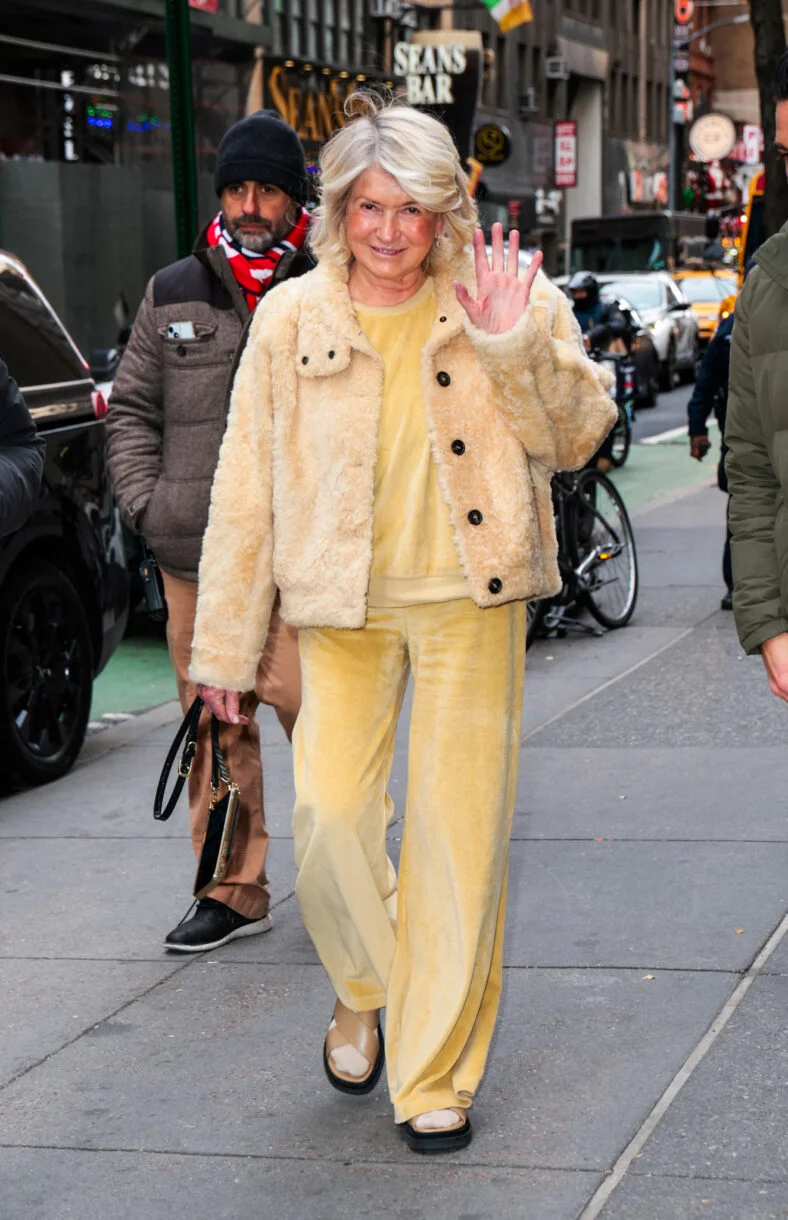
Social media users called the costume “gross” and “offensive.” One critic argued that choosing homelessness as a Halloween disguise showed a lack of awareness, while others questioned how Stewart could have expected the image to land well.
Deleting the photograph didn’t end the discussion. Critics continued to focus on the perceived mismatch between the subject and the candle promotion, with some saying the combination looked especially out of touch coming from a multimillionaire.
The controversy also complicated Stewart’s appeal to charitable work. She cited her support for causes, but a charity she has backed clarified that its work does not include serving people experiencing homelessness.
God’s Love We Deliver clarified its mission

A spokesperson for God’s Love We Deliver said the organization provides medically tailored meals to people living with serious chronic illnesses, not to people experiencing homelessness. “God’s Love provides free medically tailored meals to people with life-altering chronic illnesses. It does not serve people experiencing homelessness,” the statement said, according to The Blast.
The representative also confirmed that Stewart remains a donor and attends the organization’s annual fundraising events. The clarification drew a boundary between her charitable support and the specific cause she had invoked in explaining the costume.
Other celebrity costumes also drew criticism
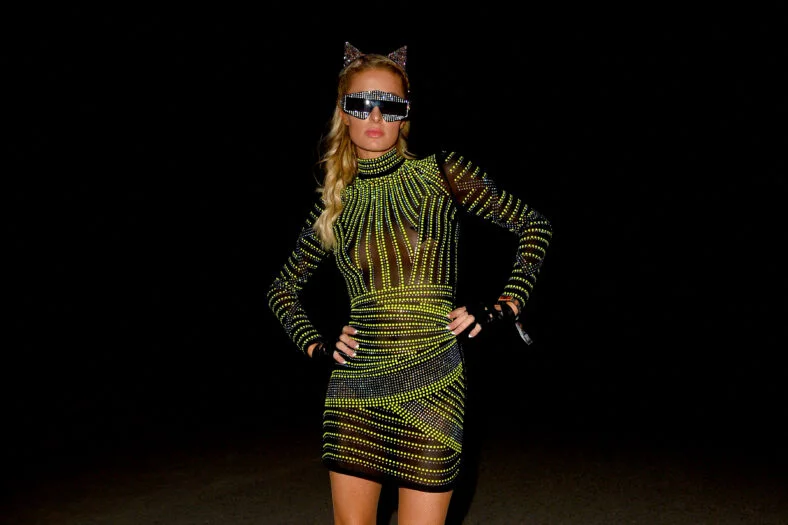
Stewart wasn’t the only celebrity whose Halloween look provoked online criticism. Paris Hilton faced complaints after dressing as Belle from “Beauty and the Beast” while her family wore other characters; some commenters said she had made herself the focus of a family costume.
Jessica Alba drew criticism for portraying Nancy Kerrigan after the assault on the figure skater. North West also faced negative comments for dressing as Natalie Nunn, using prosthetics to exaggerate Nunn’s chin. Nunn appeared unbothered by the look.
Stewart’s case stands out because the costume was embedded in a product promotion and followed by competing explanations of its intent. The episode shows how quickly a themed post can become a brand issue when its imagery and commercial setting send conflicting signals.