Music is easier to access than ever, yet a concert’s most distinctive performance can still vanish when the house lights come up. That gap matters to fans and artists alike: streaming keeps songs in circulation, while live recordings can preserve the choices, surprises and imperfections that made one particular night worth remembering.
A familiar song can change shape onstage. A new solo, an unexpected setlist turn or an arrangement that only emerges in the room can make the performance feel unlike any studio release. Without a recording, the event survives mainly in the memories of the people who were there. The song remains available; that version of it may not.
More from Spin:
- Adam Young Makes His Album Debut With Another Life
- Singer-Songwriter ADOM Is Releasing ‘House of Memories’ One Song at a Time
- Jessie Altman Finds Her Sound, and Something Real, on ‘Lovelight’
The song keeps changing after the album
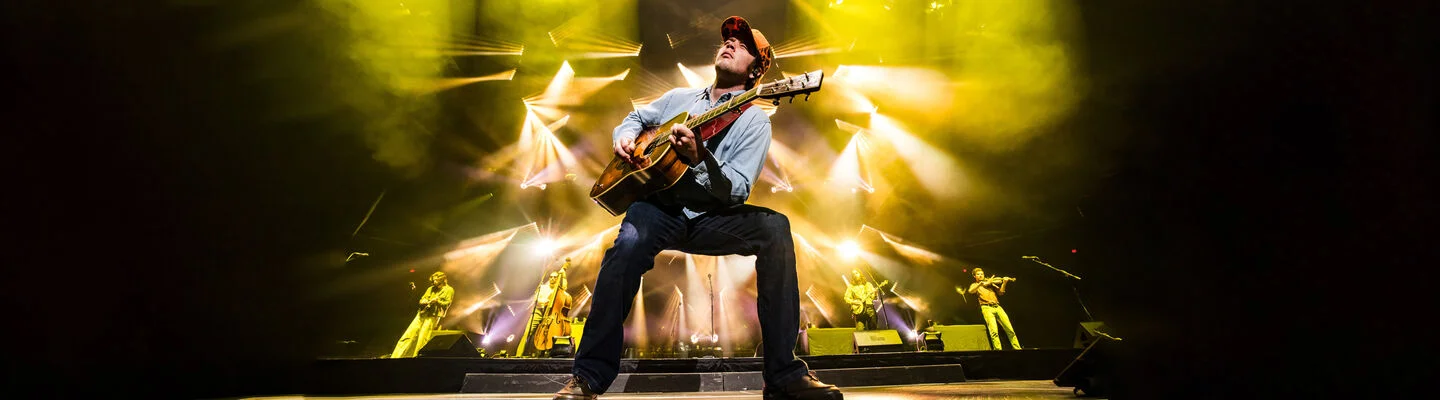
For some audiences, the studio recording is a starting point, not the definitive account. Deadheads, Phish fans and people who have followed Pearl Jam on tour know that a song can be rewritten through repeated performance. The version released on an album matters, but so do the variations that accumulate from night to night.
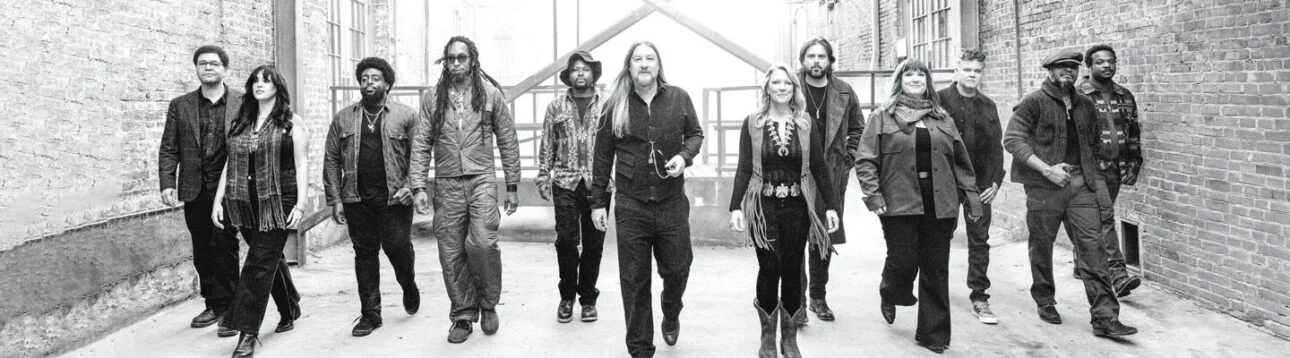
Billy Strings has helped bring bluegrass to listeners who might not otherwise have sought it out. His playing is part of the draw, but so is its unpredictability: the music doesn’t settle into one fixed form. Tedeschi Trucks Band takes another route. Susan Tedeschi’s vocals and Derek Trucks’ slide guitar give the group room to reshape its material in performance. Fans don’t need to choose one definitive version when each night can offer a different reading.
The music business has long depended on the idea that a song can be captured and finalized in the studio. Live bands complicate that story. When the arrangement shifts, or the musicians take a passage somewhere unexpected, the performance becomes a record of what the group could do at that moment. An archive gives listeners a way to follow those changes.
Metallica puts the audio to the test
Metallica’s Sphere residency raises a useful question about concert spectacle: when a venue surrounds the audience with enormous screens and highly engineered sound, does the music still make its case on its own? The production is part of the experience, but the performance has to carry beyond the room if it’s going to work as an audio recording.
The band is offering official recordings of shows from its Sphere run, scheduled from October 2026 through March 2027. Through nugs, fans can pre-order MP3 downloads, CD-quality downloads or physical CDs. The formats give listeners different ways to keep the audio, while the archive captures a particular performance without relying on the venue’s visual scale.
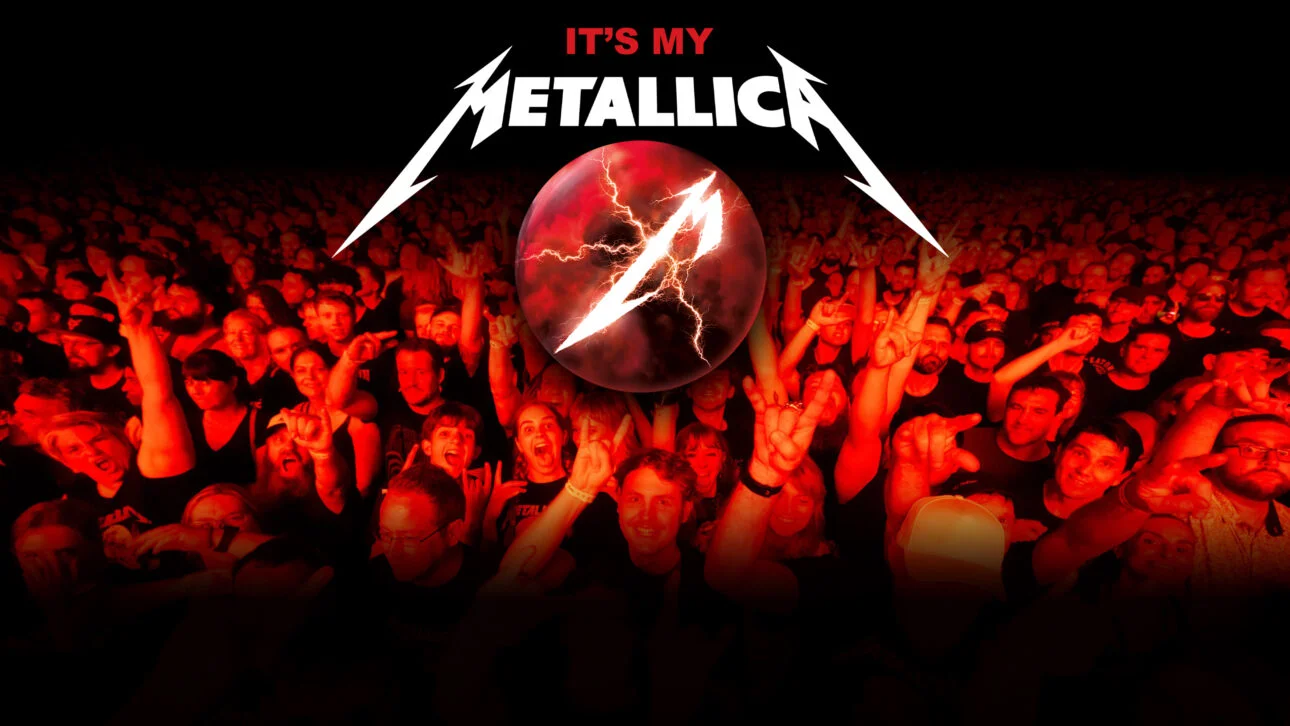
For someone in the audience, a recording can bring back the details of that night. For someone who missed it, it offers another way into the show. Metallica has a catalog spanning more than four decades, and each archived concert adds a distinct entry to that history. A live release doesn’t have to function as a highlight reel; it can simply preserve a band playing in a specific place at a specific point in its career.
A recording preserves the night, not just the setlist
Streaming services can learn a listener’s habits and suggest what to play next. They can’t know why one concert stays with that person. The meaning might come from a song heard at the right moment, a performance shared with friends or a small detail that would be invisible to someone listening later. The recording can’t reproduce being there, but it can retain the sound of what happened.
Fans have tried to preserve that evidence for decades. Before digital archives and official livestreams, concertgoers traded tapes, compared setlists and searched for recordings of shows they’d attended—or wished they had. The audio could be rough, incomplete or both. Still, it mattered because it documented a night that might otherwise exist only in conversation.
That impulse hasn’t gone away as recording quality has improved. Official live audio and livestreams give fans clearer ways to revisit a performance, but the appeal still rests on variation. A song may be familiar; the way a band plays it tonight is not. A full recording can capture the pacing, the decisions and even a mistake that changes what follows.
Halloween brings room for surprise
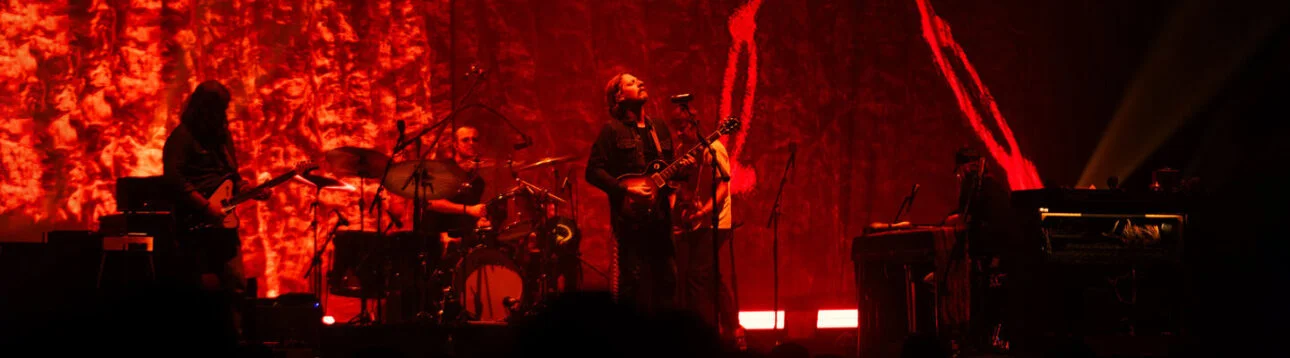
The final week of October often gives performers permission to bend the usual concert script. Costumes appear, unexpected covers become possible and an ordinary tour stop can turn into a show fans discuss long after the season ends. The calendar itself doesn’t guarantee a memorable performance, but it creates an opening for bands to take chances.
Billy Strings is closing a two-night Baltimore run on October 31 with a show billed as “Heartbeat of Eternia.” Tedeschi Trucks Band has four nights scheduled at The Chicago Theatre, while Johnny Blue Skies & The Dark Clouds are set to finish their “Mutiny For The Masses” Tour in Lexington, Kentucky, on October 30.
Not every date needs a Halloween theme to benefit from that spirit of unpredictability. What matters is the possibility that the set will take an unexpected turn. With nugs livestreaming these shows as part of its Halloween season lineup, viewers who aren’t in the venue can experience the performance as it unfolds. That gives the livestream its own value: it lets the show reach people who would never have had a ticket, rather than serving only as a substitute for attendance.
Live archives give music a longer memory
With so much music competing for attention, a song can surge through feeds and fade as the next release arrives. Concerts can also be reduced to short phone clips watched before the song has even ended. Convenience makes listening easier, but a few seconds of footage rarely convey how a performance developed across an entire set.
A full recording asks for a different kind of attention. It captures the choices a band made in the room, the transitions between songs and the accidents that sometimes become the evening’s best moments. For artists, it also provides a record of their work at a particular stage of their career, separate from studio albums and their later reputation.
Concert technology will keep changing. Venues can expand the visual experience, and sound systems can make large rooms feel more intimate. But the central appeal of live music remains the same: a song can keep evolving after its official release, and no two performances have to match. Archiving those nights gives fans more than another way to replay familiar songs. It preserves the versions that would otherwise disappear when the crowd leaves.
SPIN Magazine newsroom and editorial staff were not involved in the creation of this content.
To see our running list of the top 100 greatest rock stars of all time, click here.