RPGs are built to make you feel capable. You gain levels, improve your gear, and eventually turn threats into manageable numbers. That makes real fear unusually hard to pull off. The games on this list manage it in different ways: some make their worlds feel abandoned, others turn familiar comforts against you, and a few leave you wondering whether you should have looked behind that door at all.
I’ve ranked them by how frightening they feel, from the comparatively restrained entries to the one I still haven’t worked up the nerve to play. The scale matters: a game can be tense or grim without actually getting under your skin. The best ones here do both.
10. Star Wars: Knights of the Old Republic 2 - The Sith Lords
This article is brought to you by No More Room in Hell 2.
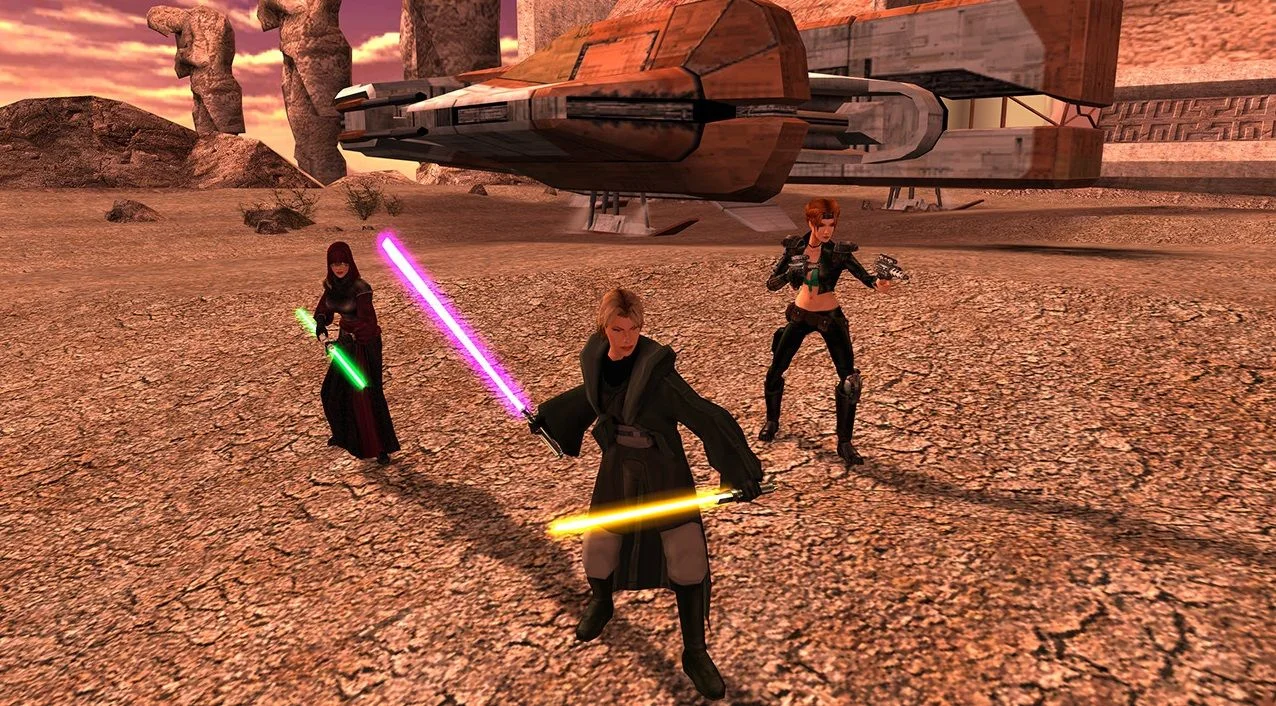
Knights of the Old Republic 2 is one of my favorite games, and its particular brand of Star Wars is all grime, grief, and dwindling hope. It doesn’t sustain horror from start to finish; instead, it breaks the adventure with a handful of unsettling episodes. Those interruptions land because the rest of the game gives them room to breathe.
Korriban’s academy is the one I remember most. You’re walking through a ruined school marked by recent suffering, but KOTOR showed you the place in its functioning, gruesome prime. The past gives the wreckage weight. You know what happened here, and the tour feels like an inspection of the aftermath.
Peragus has its own strong stretch when the ghost ship Harbinger docks at the station. The sequence borrows the claustrophobic sci-fi dread of System Shock, and one audio log remains a standout introduction to a major antagonist: this gnarly recording.
9. System Shock 2
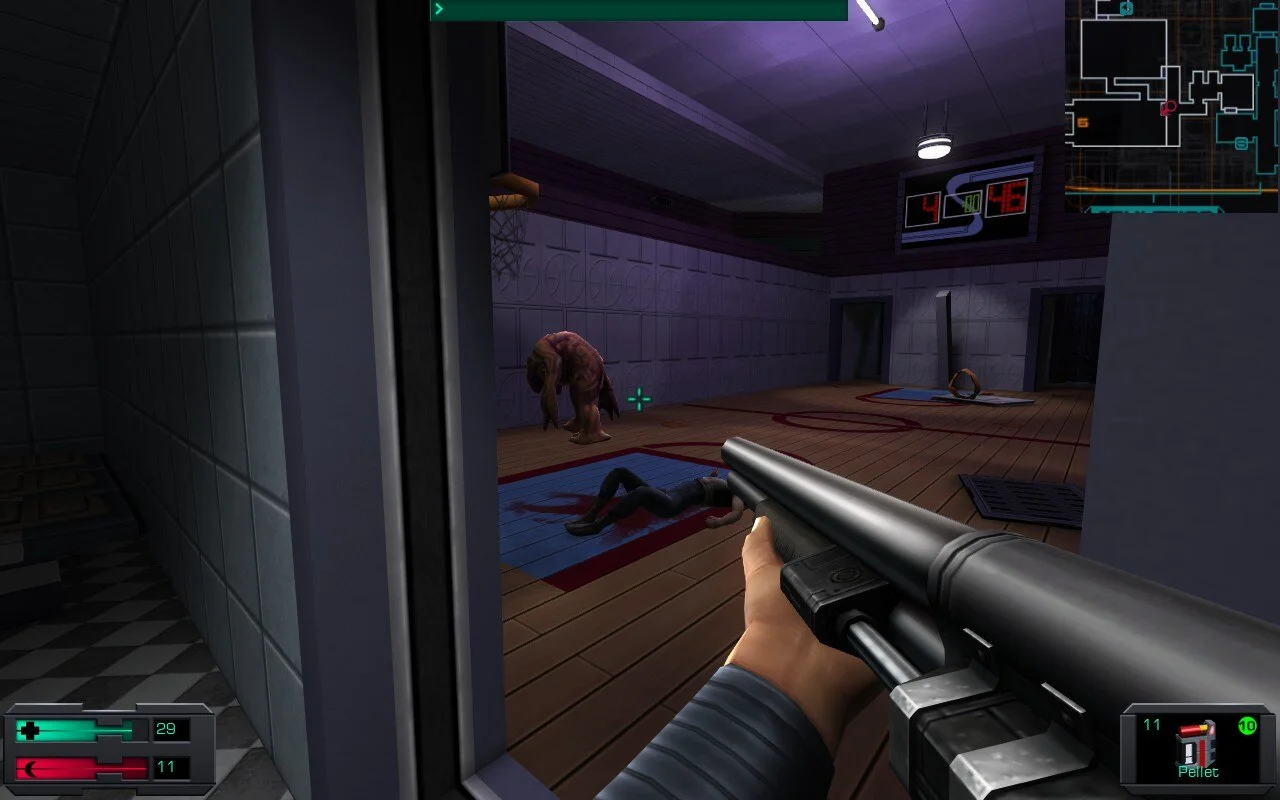
- System Shock 2 is an almost automatic pick for a list like this. Its atmosphere is excellent, and the Shodan reveal still worked on me even though I’d had it spoiled around 15 years before my first playthrough. It belongs here. I’m just not convinced it belongs near the top.
- The game kept me alert and entertained, but it never quite made me dread what came next. Looking Glass could push further: its Thief games aren’t RPGs, but levels such as “Down in the Bonehoard” are among the most haunting places I’ve explored in any game.
8. Dread Delusion
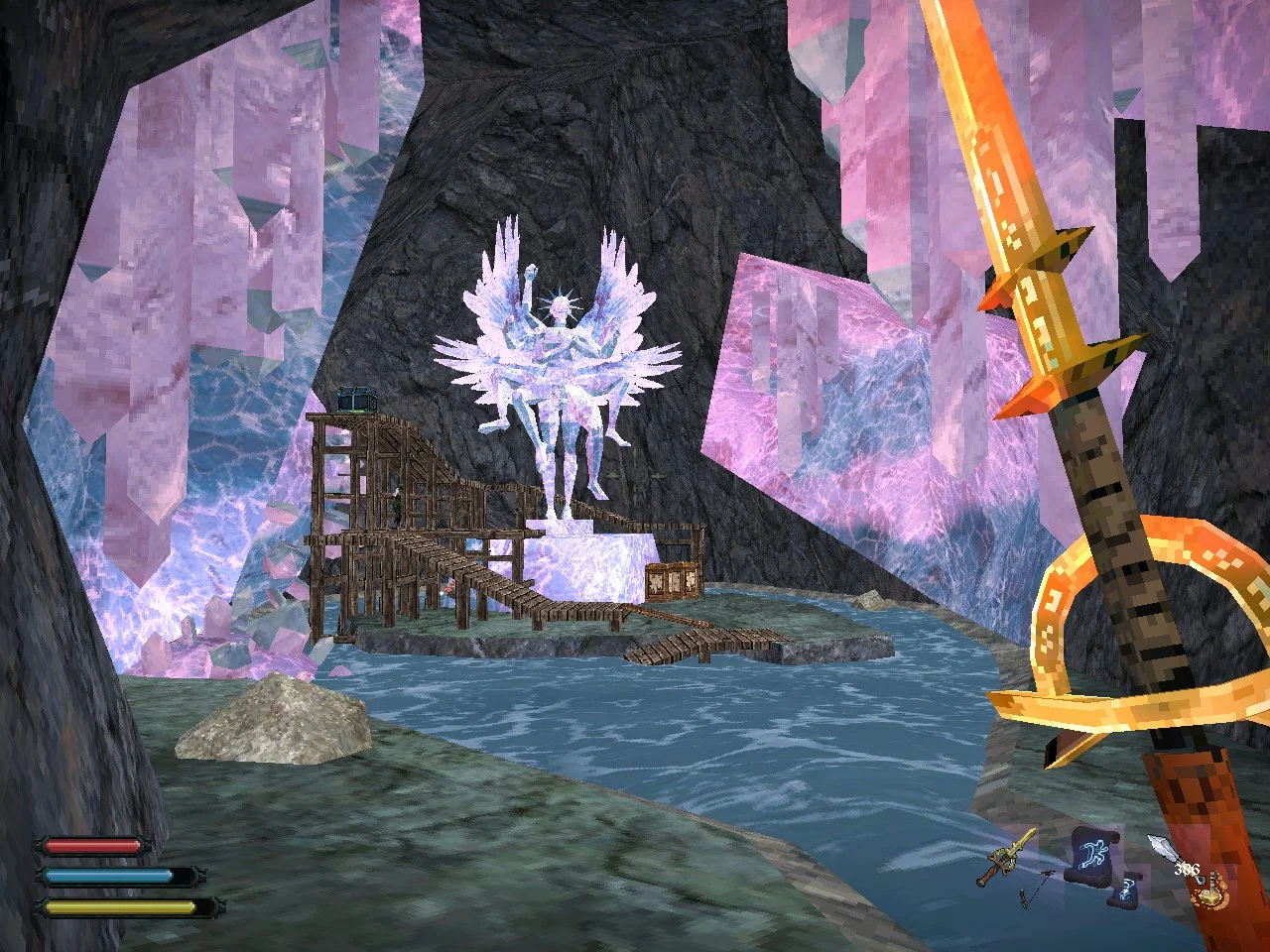
- Dread Delusion builds its unease through a bleak world and lore that keeps stretching beyond human understanding. Its gods are physical beings with direct influence over people, but humanity’s collective unconscious has twisted them into cruel reflections of itself. The fertility god, for instance, has become a festering, fermenting mass of unchecked fecundity.
- Then the game drops the cosmic scale for a much simpler trick. In one fetch quest, a room seems full of people chatting and joking. Take the item you came for, turn around, and you find that your lively companions were corpses all along. It’s a sharp, old-fashioned scare amid all the grand mythology.
7. Felvidek
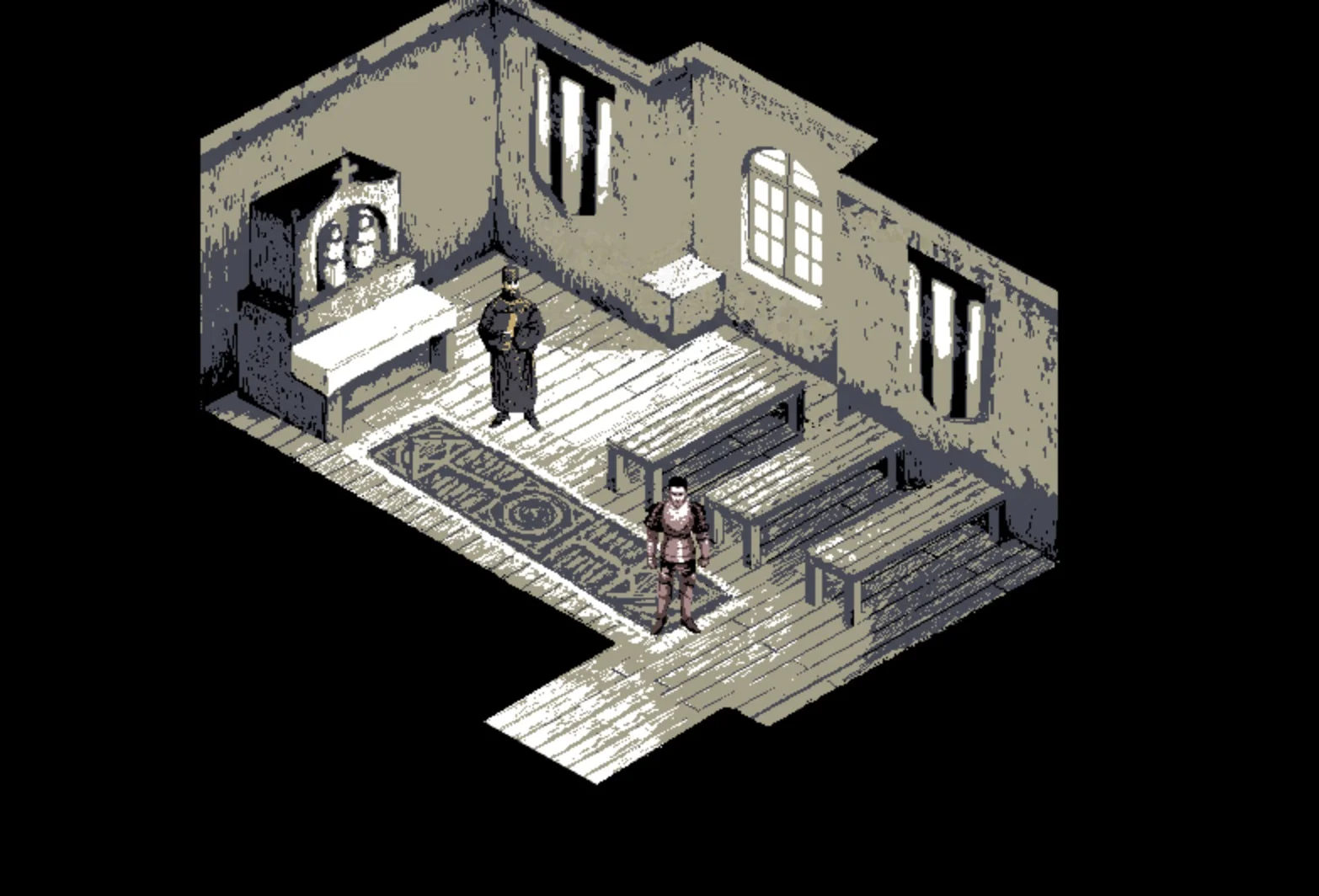
- Felvidek starts as a grounded, low-fantasy story told through a startlingly spare old-school JRPG format, closer in simplicity to Dragon Quest 1 than most modern role-playing games. Its lead is a heartbroken, alcoholic knight investigating an Ottoman Turkish incursion into the Slovak highlands. Then the story veers somewhere stranger.
- Lovecraftian oddities and a descent into an underground world made me wish for the familiar misery of muddy medieval life. The game eventually gives you that release, ending on a bittersweet note that is, broadly, happy. It’s an effective change of pace, though another retro-styled RPG later on this list keeps the pressure on much longer.
6. Fallout
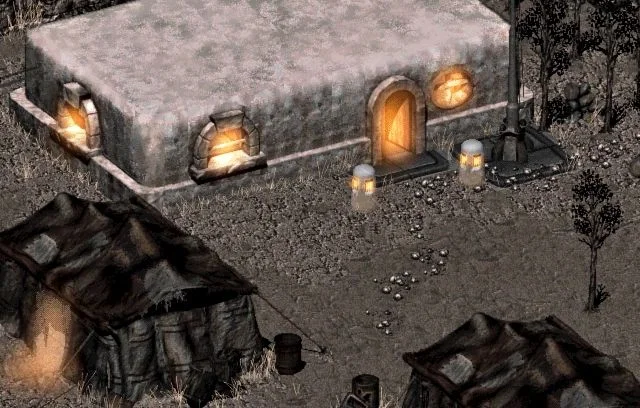
The Fallout series has changed its shape many times, but the 1997 original still owns its desolation. Even Fallout 3 at its most graphic and aggressively edgy doesn’t leave me with the same sense of being stranded in a dead world.
Sometimes the image is simply the Vault Dweller, alone on a stretch of empty desert tiles. Mark Morgan’s ominous music follows you—or there may be no music at all. That emptiness is the point. The game doesn’t need to spring something on you when it can make the silence feel permanent.
Radio songs were a smaller part of the original game’s sound than they became in later entries. Its mood leaned more on pieces such as “Vat of Goo” and “City of Lost Angels.” The visuals are just as spare: the vast crater of The Glow is one of gaming’s most quietly disturbing sights.
And then there’s The Master. New Vegas has a remarkable cast of compromised faction leaders, but none unsettle me like this fused, grotesque creature. I can defeat it in seconds with a Turbo Plasma Rifle—or persuade it to kill itself—and still feel the same discomfort. Its vision is horrifying partly because it’s both tragic and utterly inhuman. The distinctive FEV mummy death screen only makes the encounter harder to forget.
5. Undertale
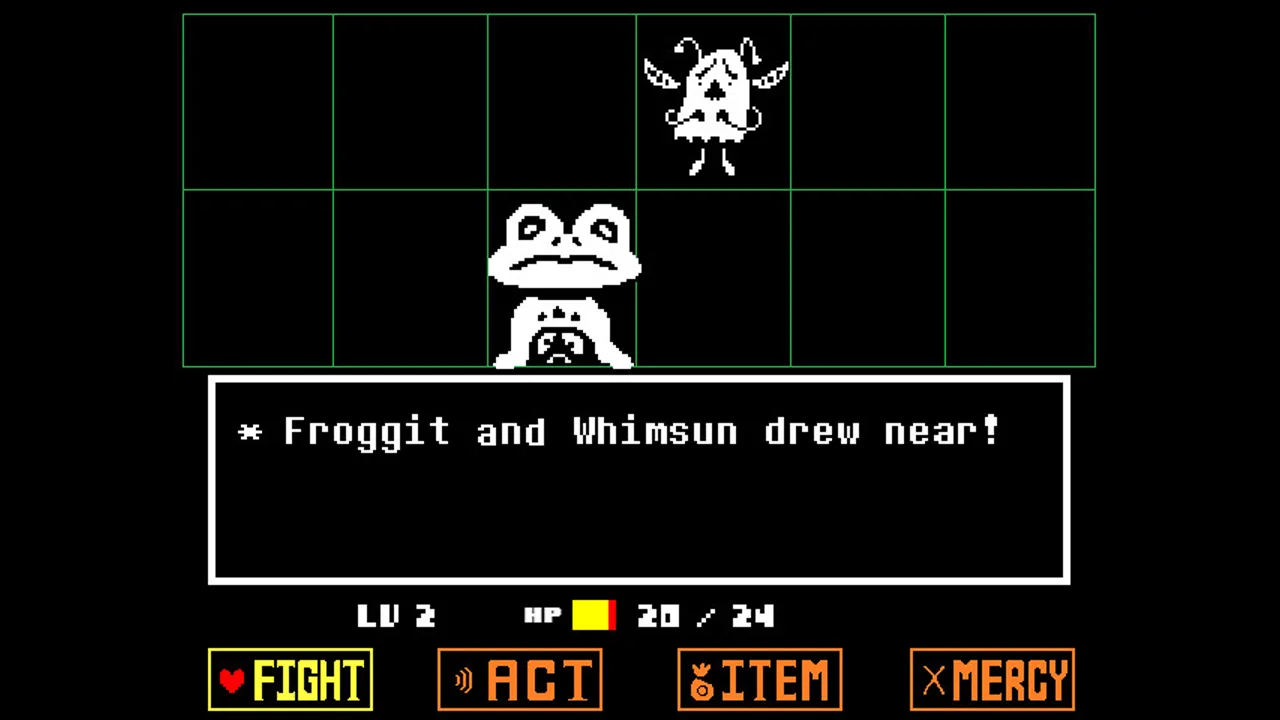
- Undertale is mostly a kind story about friendship and choosing peace. That’s why its route built around relentless killing feels so poisonous: the violence leaves a permanent mark on your computer.
- The genocide ending turns brutality into a stain beneath the game’s usual warmth. Once you’ve seen it, even a normal playthrough can feel less innocent. Seeing that route through also means accepting a flag on your installation, so the choice follows you beyond the run.
- Try for the good ending afterward and a final scene suggests that the evil you unleashed has survived into the happier timeline. It puts a shadow over the ending you worked for. I’ve never committed to that route myself, and the threat it leaves behind gives the game’s gentler choices real stakes. Undertale earns my PC Gamer All Hallows’ Nod.
4. Vampire: The Masquerade - Bloodlines
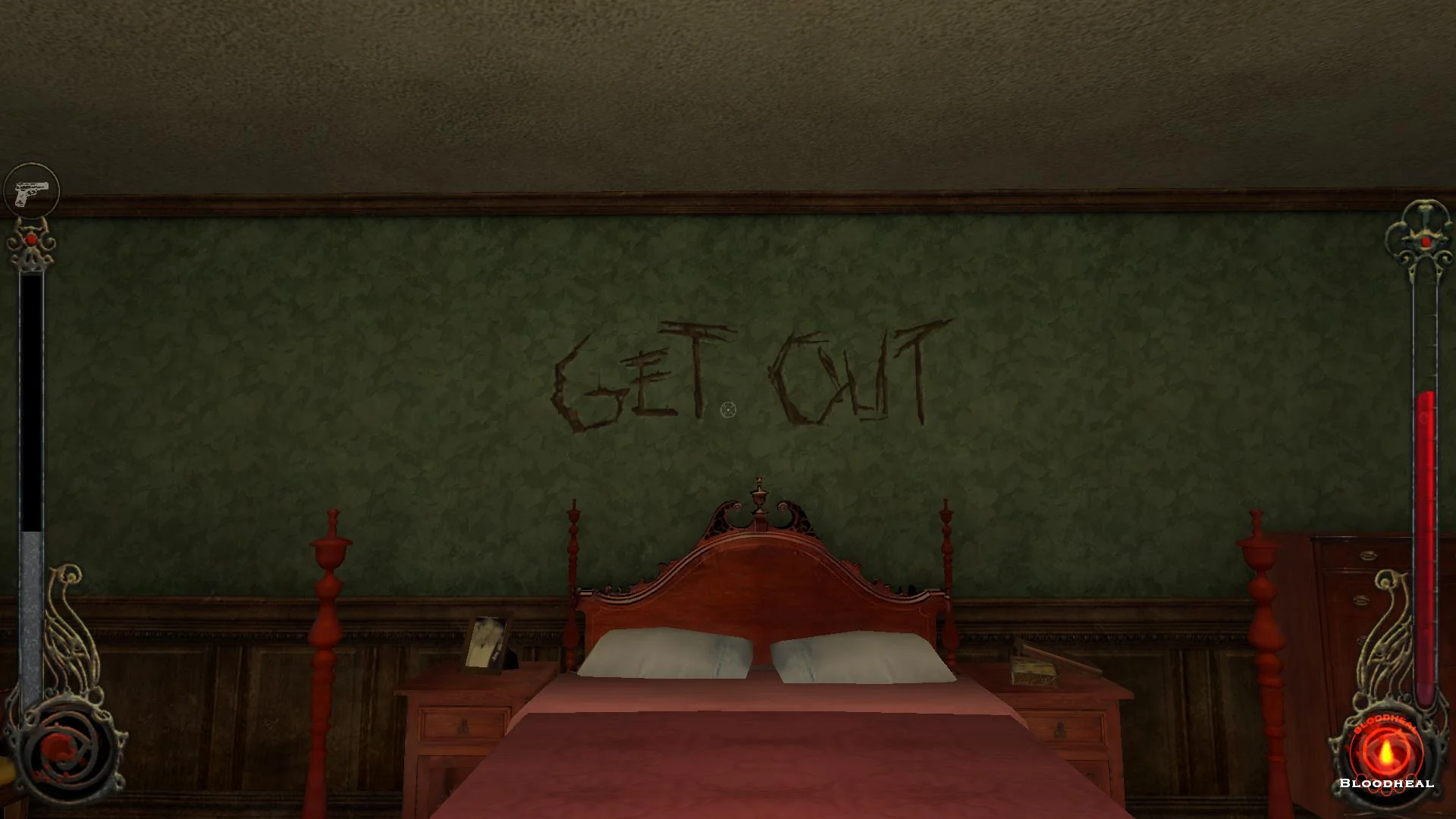
- The Ocean House Hotel is the obvious place to start. This early Vampire: The Masquerade - Bloodlines level feels like a visit from another genre, a precursor to the walking-sim horror games that hadn’t yet emerged in 2004. The trick is simple: take the RPG’s power fantasy away. You’re left to absorb the rancid atmosphere of a hotel burned down by a jealous husband, with a few earned jump scares along the way.
- The hotel isn’t the whole story. Bloodlines has a distinctive noir-horror mood across its locations and set pieces, from the ghost ship Elizabeth Dane to a fleshy Tzimisce hideout and a grim quest involving a snuff-film VHS tape.
- You may be a predator stalking Los Angeles, but the game never lets that power feel entirely safe. The curse underneath your new life threatens to outweigh the cheap thrill of owning the night.
3. Lunacid
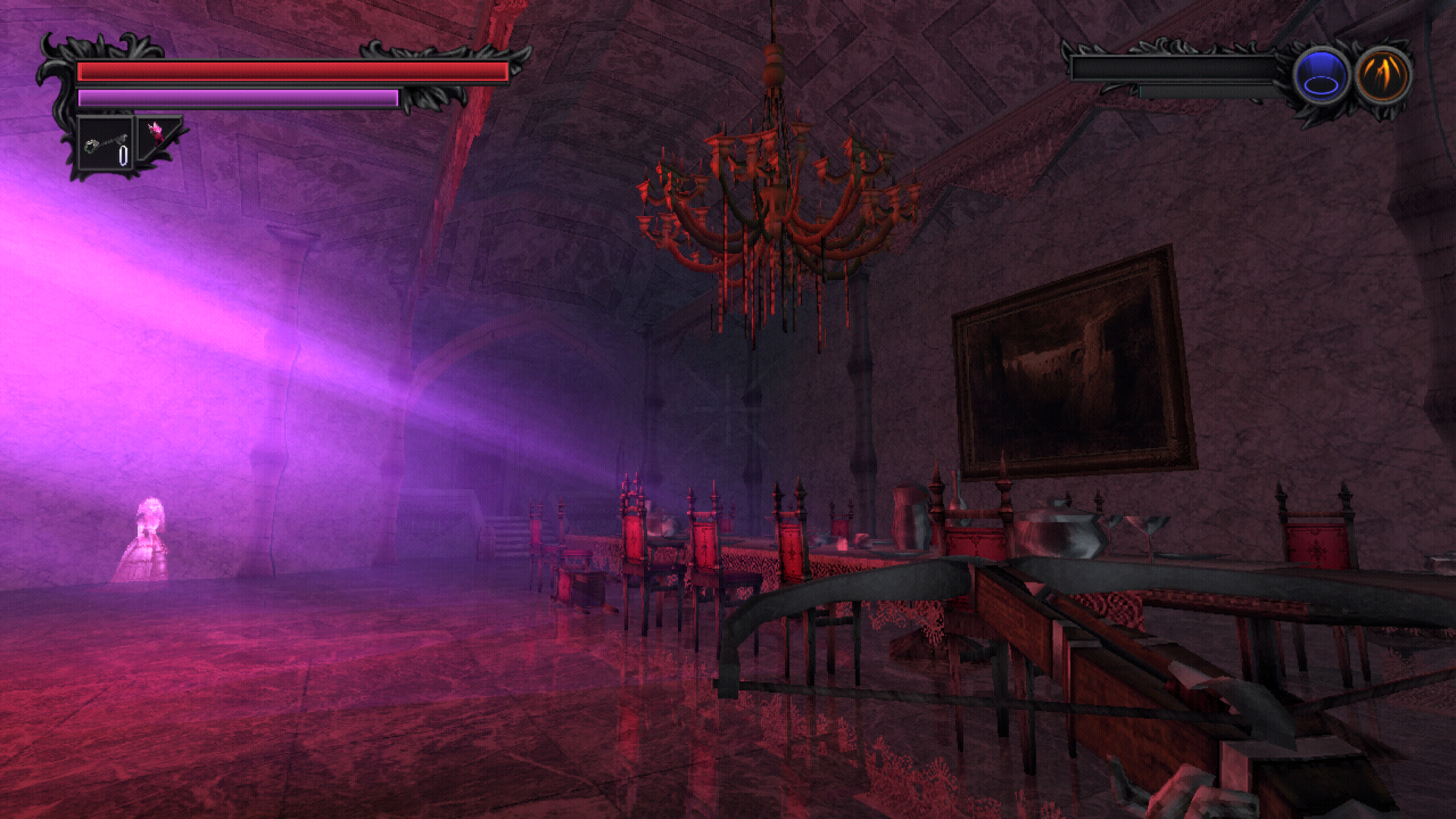
Lunacid has the lonely, cryptic pull of FromSoftware’s best work, only it pushes further into obscurity and discomfort. Its Accursed Tomb is an early warning: a maze of near-total darkness and faceless zombies whose heads have been partly removed in a supposed attempt to reach enlightenment.
The Mausoleum is worse. This hidden area belongs to Death, who appears and hunts you whenever you enter. Exploration becomes a race. Then you can make matters far more dangerous by crafting a deeply concealed sword capable of killing an enemy who otherwise can’t die.
The prize is a scythe. The cost is that nearly every friendly NPC disappears, while new spectres keep coming after you. You can undo this Death state, but doing so takes a lot of grinding.
That secret mode recalls the evil route in Undertale or nighttime Anor Londo in Dark Souls. More than either comparison, though, it captures the way Lunacid keeps hiding deeper layers beneath its surface. New lore and mechanics emerge like the visible tips of enormous icebergs, and I never felt certain I understood the full shape of the game.
2. Labyrinth of the Demon King
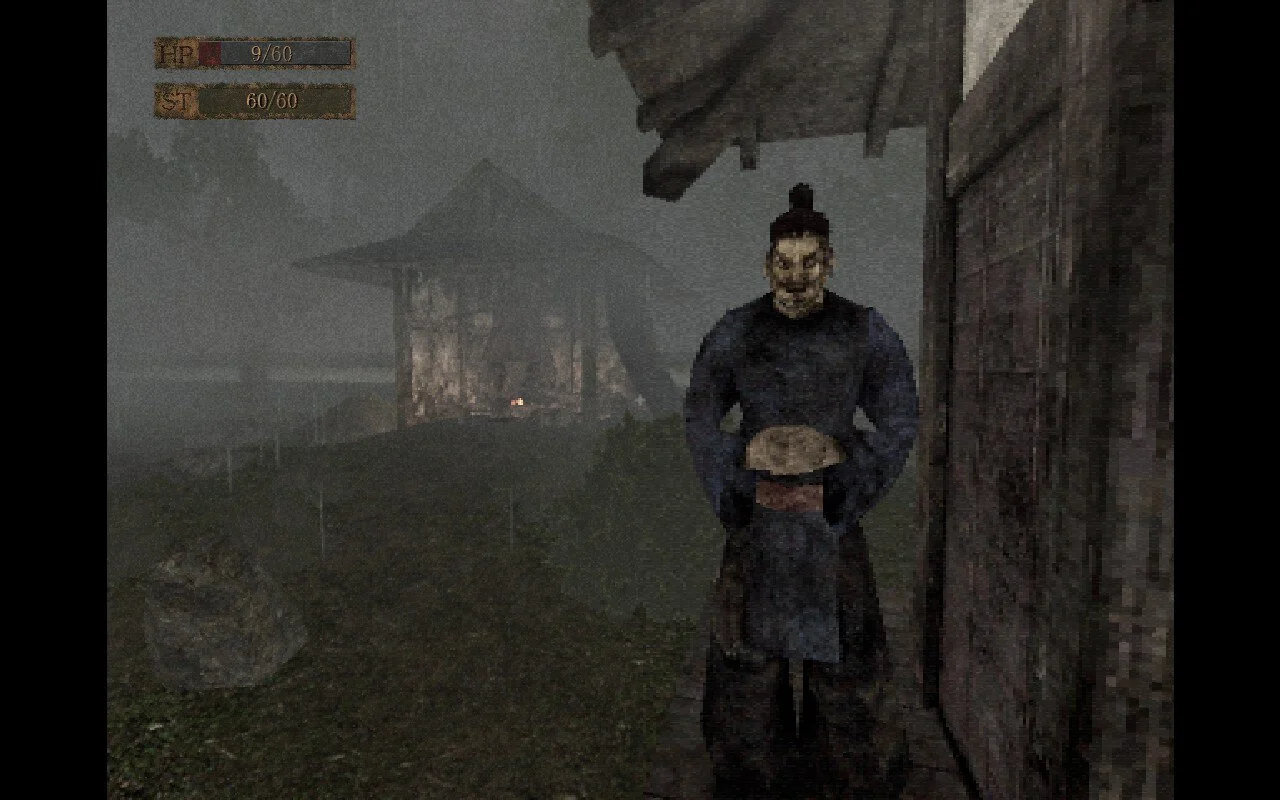
- This ranking bends its own rules a little. Labyrinth of the Demon King feels more like a horror game with RPG systems than an RPG that happens to be scary, but its stats and equipment earn it a place here. J.R. Hudepohl’s vision turns a medieval Japanese castle into something like a Silent Hill hell dimension. You piece together an ambiguous story while rationing resources and trying to survive flesh monsters. I love it.
- One scene takes place in a huge hall swallowed by darkness, the scale of an unlit gymnasium. Phantoms that can’t be killed for good close in on you, while something worth finding waits somewhere in that blackness. The game gives you a reason to keep searching and every reason to leave.
- Combat is slow and demanding, built around stamina control and a particularly satisfying first-person kick. The recurring idea of Buddhist hell gives the game’s many horrors a structure, not just a look.
1. Skald: Against the Black Priory
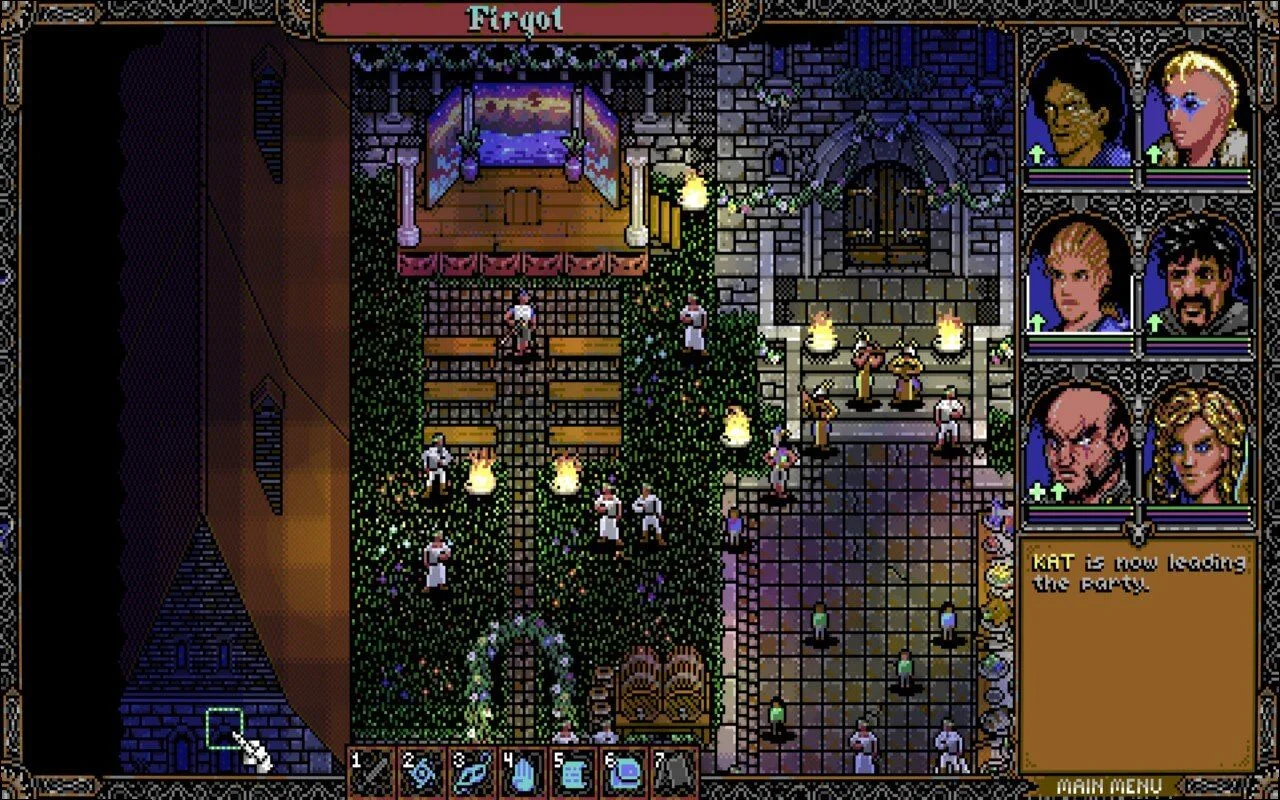
Skald is one of my favorite RPGs of the decade, and it may be one of my all-time favorites. Its appeal comes from a combination that sounds awkward on paper: high fantasy, perhaps mid-fantasy, and cosmic horror. Former PC Gamer editor Robin Valentine described that blend in his 2024 preview, and it remains hard to compare with anything else.
You lead a group of outsiders into a Class 5 Cthulhu situation. The story may bring Bloodborne to mind, especially in its depiction of a society devoted to an outer god, but Skald takes care to show that this world wasn’t always insane. Those glimpses of an ordinary past make what’s happening in the Outer Isles hit harder.
Pixel art shouldn’t be a barrier to dread, and Skald proves it. Its revelations build toward one of the wildest endings I’ve seen in an RPG. The darkness of that finale works because the game has spent time making its world and characters matter to you. Labyrinth of the Demon King is more punishing from moment to moment; Skald gets its force from the emotional swings of a classic-style CRPG.
That distinction is why Skald takes the top spot for me. Demon King is a frightening horror game with RPG features. Skald is more memorable because its RPG structure makes the horror matter.
Too scary to even play: Fear & Hunger
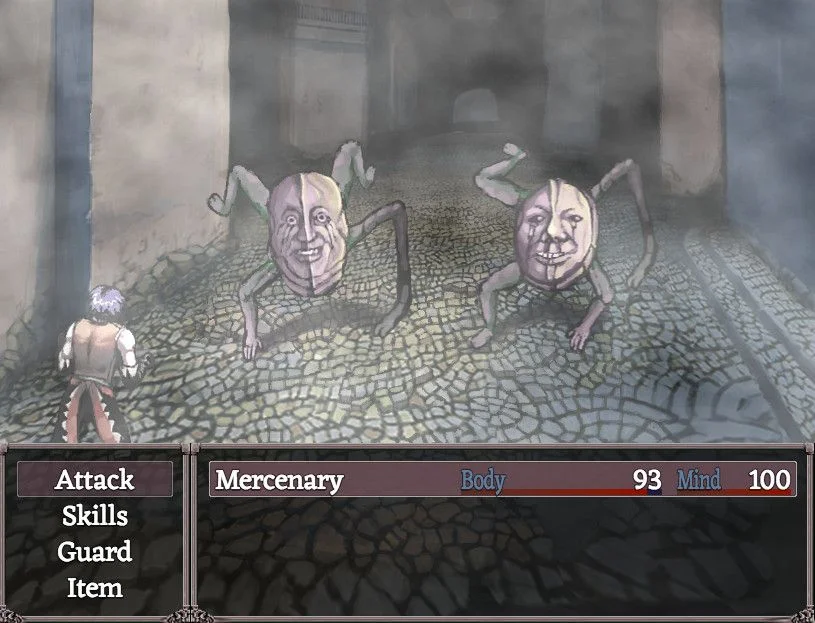
Fear & Hunger makes discomfort part of the point
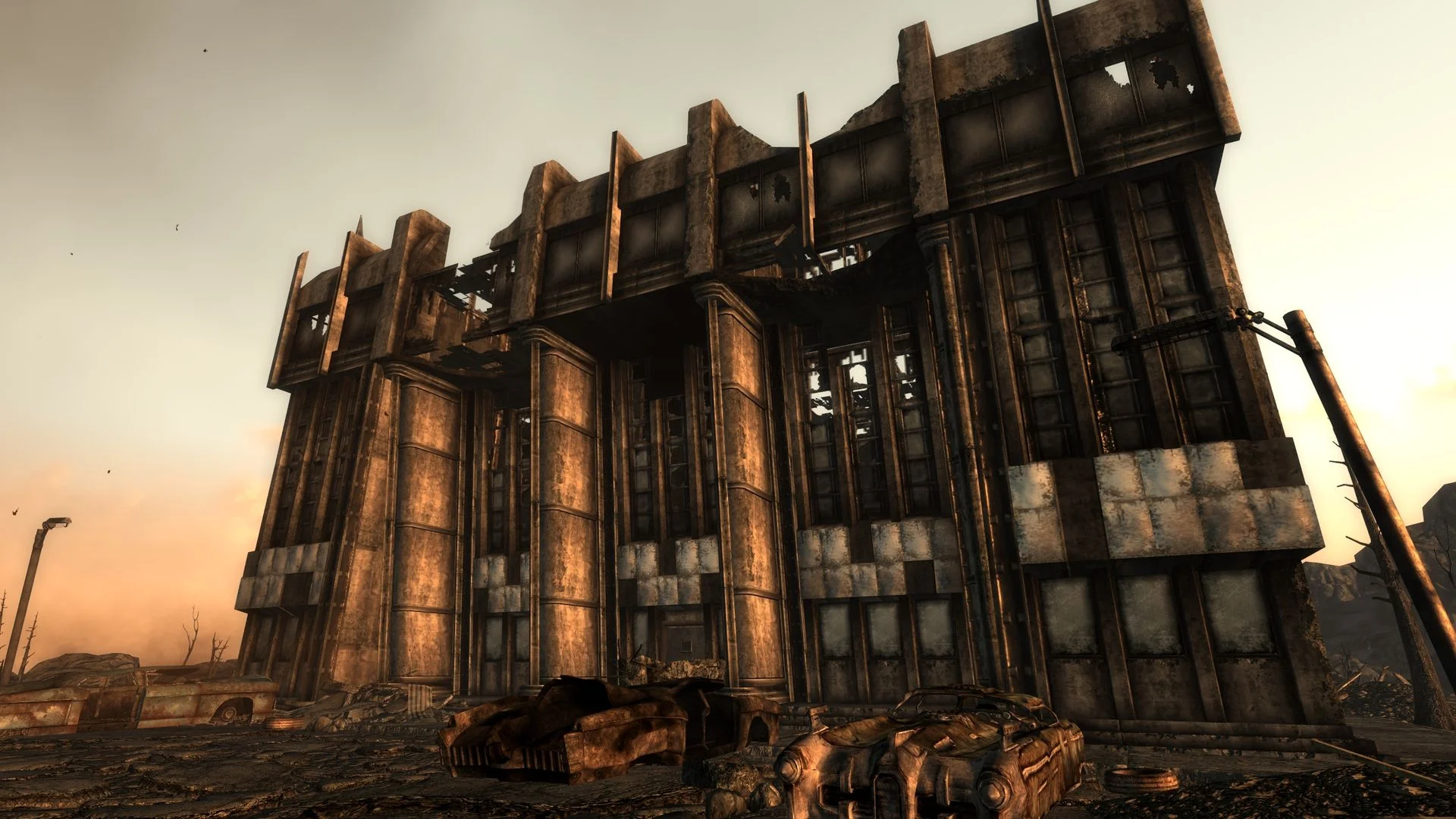
Two Fallout places that still catch you off guard
Best PC games: Our all-time favorites
Free PC games: Freebie fest
Best FPS games: Finest gunplay
Best RPGs: Grand adventures
Best co-op games: Better together