Picture books, middle grade stories and nonfiction can help children explore the changes and feelings that come with parental separation.
Books that help children make sense of separation
When parents separate, a child’s daily life can change all at once: two homes, different routines, and sometimes new blended families. Estimates suggest that 40% to 50% of American children will experience their parents’ divorce or separation. Even when adults part amicably and a child has support, the shift can feel confusing and lonely.
That’s where books can help. A picture book gives younger children a way to talk through change with an adult, often reassuring them that their parents’ love remains. Middle grade stories let independent readers meet characters facing complicated feelings of their own. Nonfiction can answer practical questions about what may happen next. These books can support children going through a separation, and help their friends understand what they’re experiencing.
Picture Books
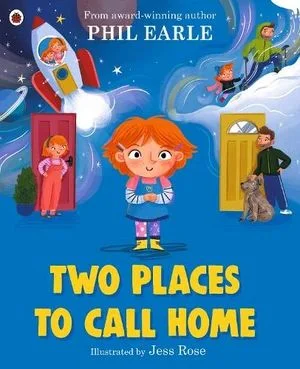
Florrie likes pairs: two pets, two brothers. Two homes weren’t part of the plan. When her parents separate, she has to get used to a different way of living—and discovers that life in two houses can still bring plenty of fun.
|
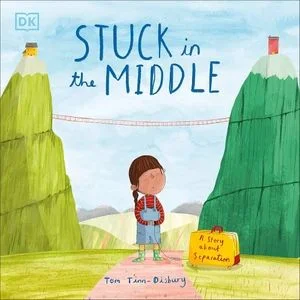
Tilly’s parents live atop separate mountains, and she must travel between their homes. The bridge connecting them is off limits, so she has to make the exhausting climb instead. When Tilly tries to repair the bridge, she hopes the work might also help reconnect her family. The mountain journey gives a child’s emotional strain a vivid, physical shape.
|
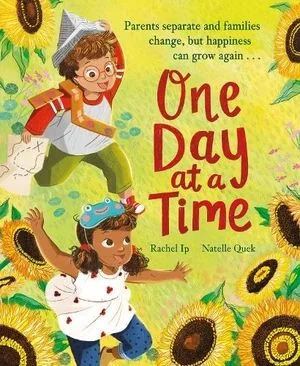
Siblings Poppy and Robin face two homes and two sets of routines after their parents separate. The adjustment is hard, but time brings perspective: some changes become easier, and their parents’ love remains a steady point in both households.
|
Middle Grade
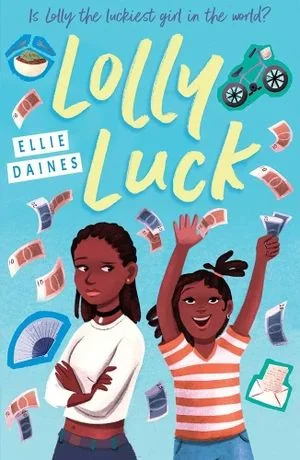
Lolly expects good fortune: she wins games and competitions. Then her father loses his job, the family leaves their home, and her parents split up. As she tries to adapt, Lolly has to reckon with the possibility that luck won’t fix everything—though life can still hold good things.
|
Welton is riding high after getting a date with his crush. Then several problems hit at once: his parents are splitting up, bullies are making life harder, and he’s scrambling to regain control. This dyslexia-friendly story places family upheaval alongside the everyday pressures of school and growing up.
|
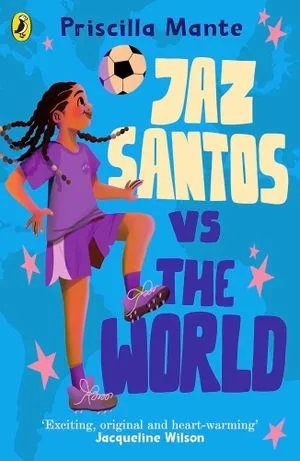
Jaz and her friends build a football team, the Bramrock Stars, and aim to earn recognition despite being sidelined for the boys’ teams. Jaz has another reason to want a win: she believes it could bring her mother home. Her hope gives the team’s sporting ambitions a personal weight.
|
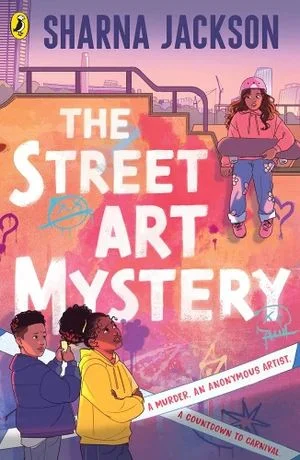
The third book in Jackson’s series follows Josephine, Wesley and Margot as they investigate a murder linked to a mysterious graffiti artist. Told from Margot’s perspective, it also explores her parents’ separation: she and her friends are staying with her mother, who left her father. Their relationship is strained, and her mother’s alcohol problems add another layer to Margot’s adjustment. As the mystery unfolds, Margot starts to work through what her changing family means for her.
|
Nonfiction
Books that help children navigate family change
Children facing divorce need clear answers about what will change—and reassurance that their feelings make sense.
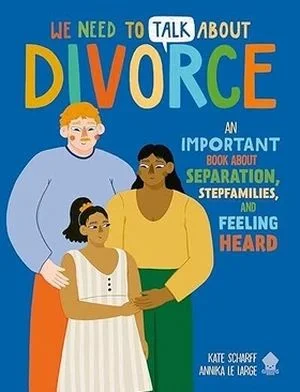
We Need to Talk About Divorce, written by a divorce therapist, addresses questions about separation, including moving between two homes and joining blended families. It doesn’t gloss over the sadness, but its hopeful tone gives young readers practical support.
For a shared read, Catherine Stephenson and Hiruni Kariyawasam’s
The Kids’ Book of Family Changes: Understanding Divorce and Separation and Managing Feelings helps parents talk with anxious children about what lies ahead. It offers ways to handle emotions, explains difficult ideas in accessible terms, and recognizes that families take many forms.
If you’re looking for more stories about family life, see our guide to
children’s books about family. For help discussing difficult events with young readers, try
what to read with your kids and teens when the world is terrible.