Six of the nearly 50 horror books Libby shared as its most checked-out titles were written by nonwhite authors. Their rankings offer a small but varied view of what readers are borrowing: the books appear across the list, from Stephen Graham Jones’s No. 2 spot to Uketsu’s Strange Houses at No. 36.
The selection also shows how often horror’s supernatural threats sit alongside real histories of violence and loss. Several of these novels look to the past for their source of dread; others turn present-day settings, private spaces and digital surveillance into something frightening. Here are six of the books, in the order they appeared in Libby’s ranking.
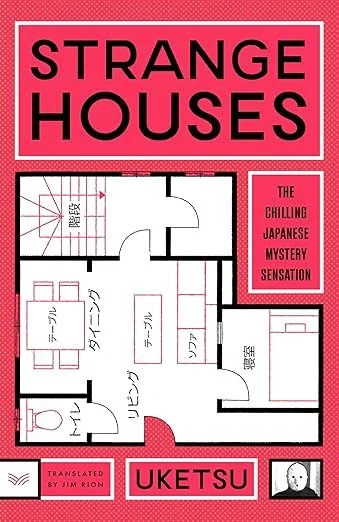 |
36. Strange Houses by Uketsu
A house with an impossible floor plan anchors Uketsu’s puzzle-box mystery. Three people—a prospective buyer, a writer and an architect—try to understand why the building contains unexplained empty spaces behind its walls. Their investigation leads toward the previous tenant, who disappeared without warning. The novel’s floor-plan clues and layered storytelling may appeal to readers of Diary and House of Leaves. —K.W. Colyard
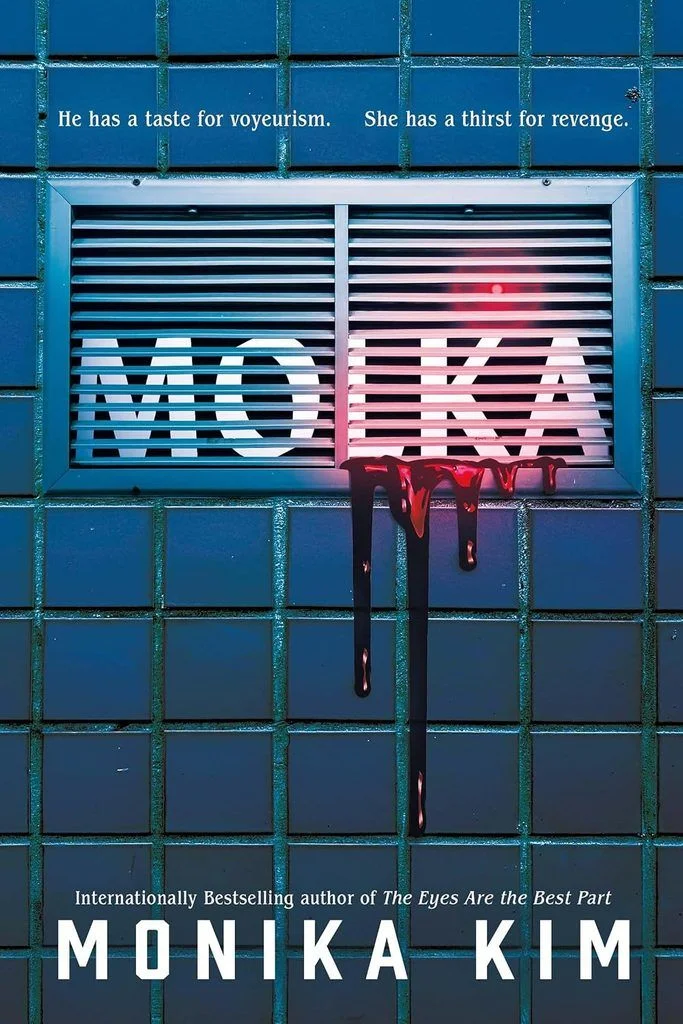 |
31. Molka by Monika Kim
In Monika Kim’s novel, workplace surveillance becomes a source of menace. Junyoung, an IT technician in Seoul, has access to the office cameras and keeps images of women in private moments, though they don’t know it. Dahye, meanwhile, has spent her life compared with her seemingly perfect older sister. After a hidden-camera scandal contributes to her boyfriend leaving, her sense of reality begins to fracture. Junyoung’s fixation on her deepens as the two stories converge. —Alex Luppens-Dale
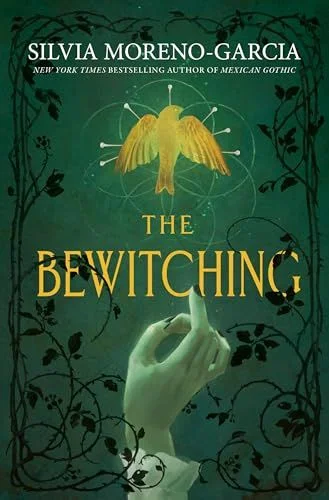 |
29. The Bewitching by Silvia Moreno-Garcia
Silvia Moreno-Garcia builds this witch story across generations and settings. In 1990s Massachusetts, graduate student Minerva researches Beatrice Tremblay, a little-known horror writer who attended her university. Beatrice’s friend vanished while they were there, and the deeper Minerva digs, the more the writer’s past echoes stories Minerva’s great-grandmother Alba told about life in 1900s Mexico. The links between those histories suggest a threat that Minerva can’t yet explain. —Vanessa Diaz
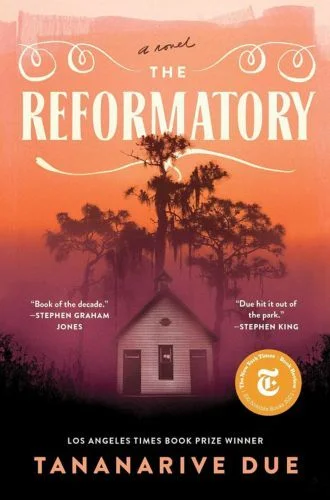 |
18. The Reformatory by Tananarive Due
Tananarive Due sets The Reformatory in Florida in 1950, where the supernatural and the violence of the Jim Crow South are inseparable. Twelve-year-old Robbie is sent to Gracetown reformatory for six months after defending his sister from a wealthy white boy. Robbie can see ghosts, and the spirits at the institution reveal what has happened to boys before him while warning of what may come next. Friends offer him advice on surviving, but his sister must find a way to get him out before time runs out. —Erica Ezeifedi
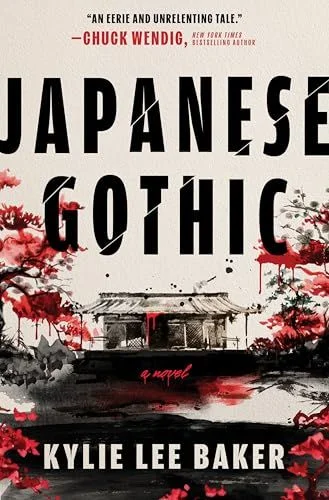 |
16. Japanese Gothic by Kylie Lee Baker
Kylie Lee Baker connects two periods in Japan through a house burdened by secrets. In the present, Lee retreats from New York to his father’s home, aware that he has committed a crime but unable to remember what happened. In 1877, Sen, a female samurai, is hiding from imperial soldiers and trying to protect her family. As the pair communicate across time, they discover that they occupy the same house. —Emily Martin
 |
2. The Buffalo Hunter Hunter by Stephen Graham Jones
At No. 2, Stephen Graham Jones’s novel puts a supernatural predator alongside the documented horror of the Marias Massacre, in which around 200 Blackfeet were killed in winter. The story unfolds through a journal discovered in 2012, written in 1912 by a Lutheran pastor. Its pages recount the pastor’s time with Good Stab, a Blackfeet man with unusual eating habits, extraordinary abilities and a desire for revenge. The historical violence gives the novel’s monsters a grim real-world context. —Erica Ezeifedi
These six titles show how horror can hold different kinds of unease at once: a house’s hidden rooms, an office camera, a ghost-filled reformatory or a history that refuses to stay buried. Libby’s full list of popular horror books offers the broader ranking; readers looking for more can find horror coverage year-round.