Craft beneath the bright surface
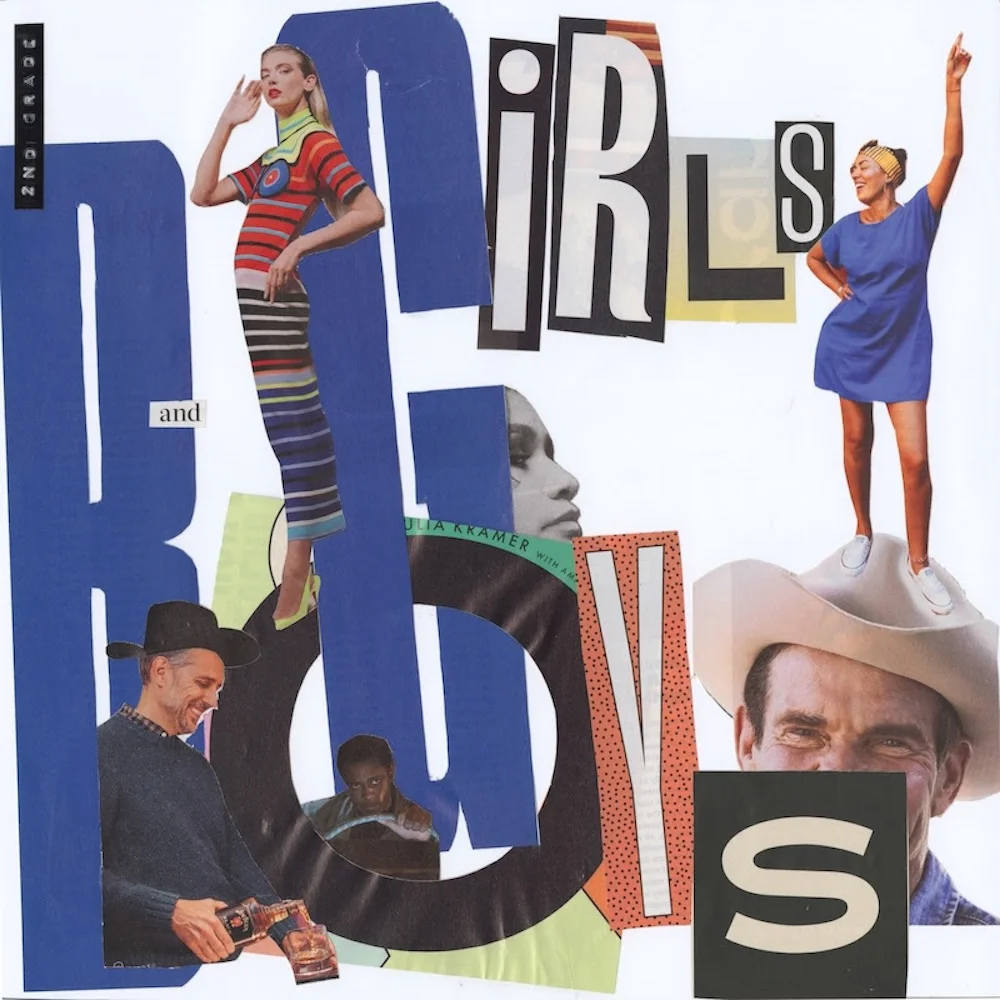
Power pop works best when its craft stays just out of sight. On Girls and Boys, 2nd Grade makes 20 compact songs feel like effortless fun, even as nervous thoughts and bittersweet details complicate the bright melodies. That ease is part of the album’s appeal, but it’s also a measure of the work underneath: a short song still needs a clear melodic idea, a convincing performance, and an ending that doesn’t feel rushed. The result strengthens Peter Gill’s case as one of the decade’s most reliable writers of power pop.
A concept with room to breathe
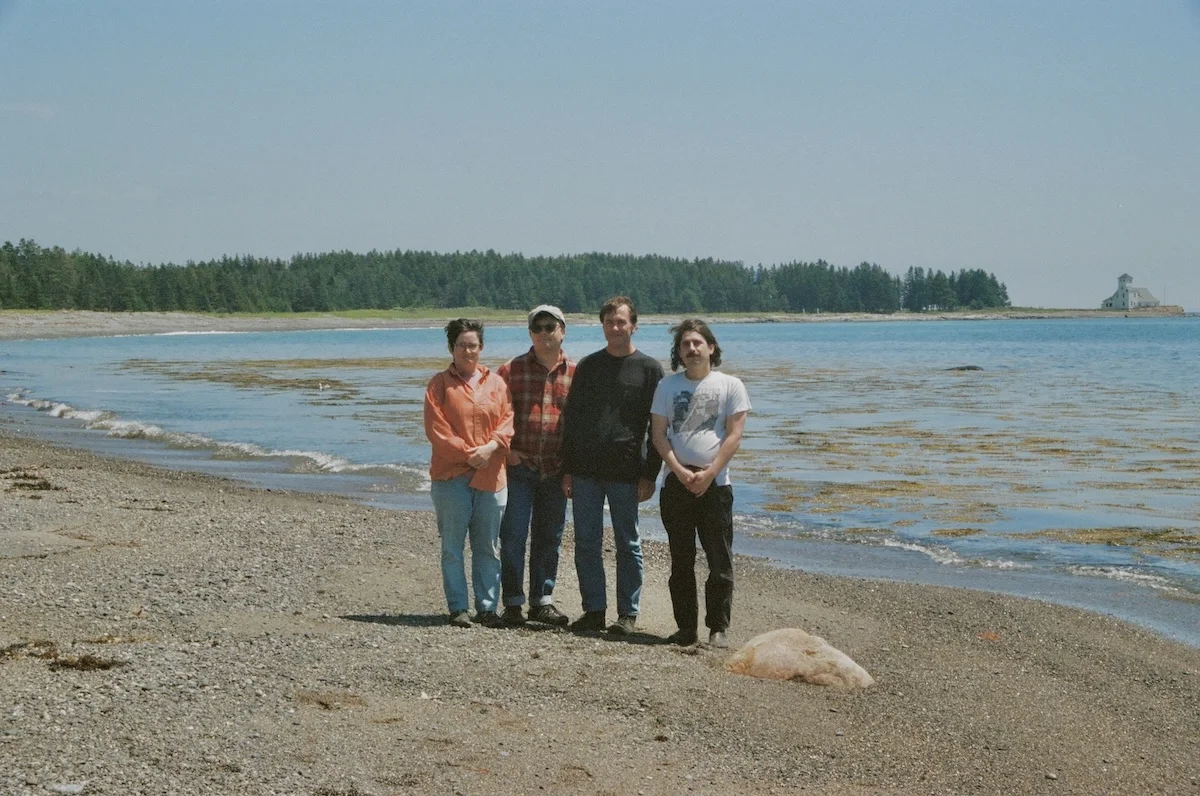
This fifth album from Gill’s project gives its songs a simple organizing idea: 10 about girls, 10 about boys, with half sung by a woman and half by a man. Catherine Dwyer and Jack Washburn of Remember Sports return to the lineup, bringing a familiar connection to the band’s sound. The format offers a useful frame for a collection this large, while the alternating voices keep the sequence from feeling like one long run of similarly delivered sketches.
The concept could easily tip into novelty, especially alongside the album’s unusual rollout: physical copies arrived October 30, with a digital release through Lame-O Records set for December 4. Yet the division doesn’t ask the listener to solve a puzzle or treat the songs as characters in a rigid scheme. It works more like a loose prompt, giving the record a shape while leaving the details to Gill’s writing and the performances. The songs themselves make the stronger argument.
Familiar sounds, active performances
On Girls and Boys, familiar power pop ingredients get a brisk, slightly restless treatment. “Anywhere Girls” and “Cellophane Girls” pair jangling guitars and soft harmonies with a pace that keeps the songs from settling into mere nostalgia. Their echoes of the dBs and Tom Petty are clear, but the quick, busy drumming gives Gill’s and Dwyer’s vocal lines a more present-day charge.
That rhythmic push matters. Jangle and harmony can make a song sound warmly familiar before its own personality has had a chance to emerge; here, the drums keep the arrangements moving and give the vocals something to play against. The result isn’t a rejection of the genre’s older touchstones. It’s a reminder that a well-known sound can still feel alert when the band plays it with this much forward motion.
Other tracks find their own combinations. “Glacial Boys” sets a Big Star-like vocal melody against a fuzzy, chugging bass line, letting the contrast do more than either element could alone. On “Upstream Girls,” the interplay between male and female voices suggests Belle and Sebastian’s proximity to power pop, while looping passages give the song a contemporary indie rock feel. These are recognizable reference points, not dead ends: 2nd Grade uses them to shape a sound that remains its own.
That distinction is easy to claim and harder to hear. A reference can become a shortcut, especially in a style built from familiar pleasures, but these arrangements don’t stop at resemblance. The bass, drums, and vocal exchanges give each track a particular kind of movement. If you’re working in this space, that’s the useful lesson: influence can set a direction, but the song still needs its own internal logic.
Small details, unsettled feelings
Gill’s writing is just as good at slipping a sharp detail into a catchy song. “I want to throw a chair like Oliver Reed in the 1970s” and “They put up a new McDonald’s where the old McDonald’s used to be” are memorable without straining for a punchline. Each line has the plainspoken specificity of an observation someone might make in passing, then find themselves remembering later. The humor lands because the songs don’t underline it.
“Phone keys wallet charger headphones, I guess I’m ready to go” could serve as a practical send-off, though the album’s recurring mood is less carefree than that line suggests. Everyday objects and routines give the lyrics a lived-in scale; they let unease register without turning each song into a declaration. (And this is the part most people overlook.) The record’s lightness doesn’t erase the tension; it gives that tension a way to sit inside a song you might first hear as simple fun.
There’s an anxious current beneath the cheer. The lyrics feel like the running thoughts of people trying to keep their composure while life presses in; the melodies offer a lift without pretending everything’s fine. That tension gives the songs their staying power, because the bright surface has something to push against. Small songs. Busy minds.
Why the short form works
Each track is under three minutes, and many finish before two, so the record’s 20 songs move with little slack. That pace suits the writing: ideas arrive, acquire a telling detail, and leave before they’ve been stretched thin. It also makes the album’s sequencing part of its character. The quick changes in voice and arrangement keep the record lively, while the recurring contrast between cheer and anxiety gives the collection a thread beyond its organizing concept.
Shortness can be a virtue, but it isn’t a substitute for development. A song that ends quickly still has to make its point, and a long sequence of brief tracks still has to hold attention. 2nd Grade largely meets that demand by changing the texture and vocal perspective as the album goes on. That said, the briskness can make the record’s emotional shifts easy to miss on a casual listen. Give the lyrics room, and the sweetness starts to show its edges.
The value of a light touch
2nd Grade understands that short, bright songs still need precision: a melody that sticks, a rhythm that pushes, and just enough unease to keep the sweetness from turning cloying. Girls and Boys makes that balance sound easy. This is more significant than it looks: the album’s charm depends on choices that are easy to overlook precisely because they’re handled so lightly. Its concise songs don’t ask for patience, but they reward attention.
The takeaway is in the songs themselves: the group’s light touch is the product of careful work. Gill doesn’t need to turn every line into a thesis or every arrangement into a display of skill. Instead, the album trusts quick melodies, particular details, and the friction between buoyant music and unsettled thoughts. What this means for you as a listener is simple: the record can work as a run of lively pop songs, but it has more to offer if you stay with the words.
Read more from SPIN’s list of the best rock bands right now, alongside coverage of Aerosmith at the Hollywood Bowl, Tame Impala’s Seal cover, and Bruce Springsteen on “Home of the Brave Backstage”. See SPIN’s list of the 100 greatest rock stars of all time.