Windham Hill’s distinctive holiday sound returns with a project built around continuity between generations of the label’s musicians. A Winter’s Solstice Celebration brings together artists associated with the A Winter’s Solstice compilations for 14 new recordings. The release marks 40 years since that series began and 50 years since Windham Hill’s founding, tying a seasonal project to two milestones in the label’s history.
The album is independently produced, with founder Will Ackerman, pianists Liz Story and the late George Winston, guitarist Alex de Grassi, multi-instrumentalist Barbara Higbie, bassist Michael Manring and pianist Jim Brickman among its contributors. Dawn Atkinson, who oversaw six volumes of the original series, co-produced it with former label staffer Bob Duskis; Ackerman served as executive producer. That mix of artists and former staff gives the project a personal connection to the catalog, while its financing and rights structure put it outside a conventional label release. A Kickstarter campaign raised more than $65,000, and the artists retain ownership of their recordings.
For Atkinson, the point is continuity: “This album will be more than a reunion — it will be a bridge between past and present, resulting in something beautiful that carries the story forward.” The language is aspirational, but the project’s structure gives it a concrete basis: musicians who helped define the series are contributing new work alongside pieces and ideas with older ties to the label. Atkinson says listeners still tell her the original compilations remain part of their holiday traditions, a measure of how seasonal records can outlast the moment of their release.
New recordings with deep roots
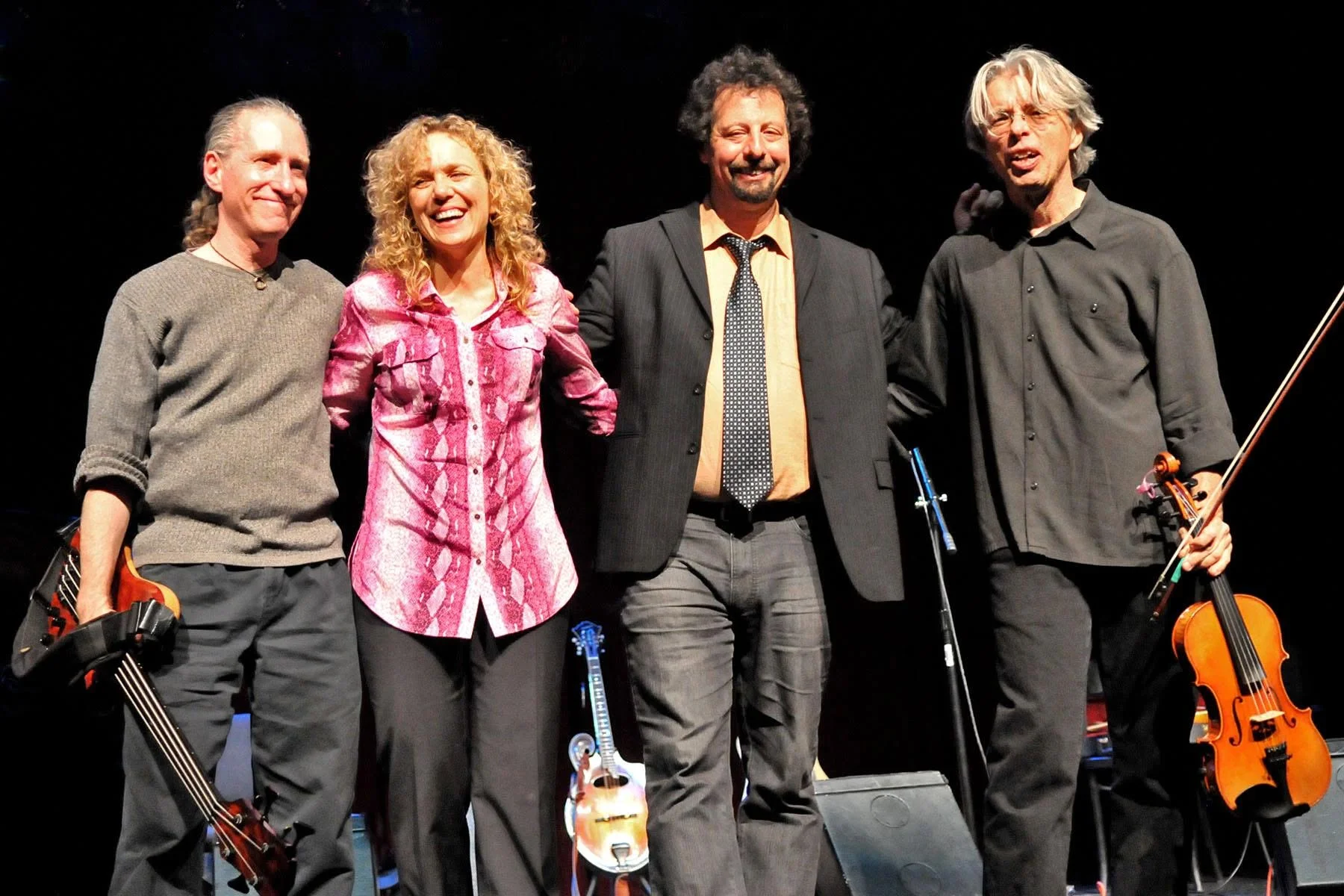
Several tracks make the album a direct conversation with Windham Hill’s catalog. The ensemble Montreux—Darol Anger, Higbie, Mike Marshall and Manring—reunites to record Manring’s “Welcoming.” The composition first appeared on his 1986 Windham Hill debut, Unusual Weather, and later on the 1990 compilation The First Ten Years. Its return gives the album a clear line to the label’s past, while a new recording lets the musicians revisit the piece from the perspective of a later chapter in their careers.
George Winston’s solo piano piece “Winter Sunflower” is receiving its first release, giving the collection material that listeners haven’t encountered on earlier compilations. Philip Aaberg’s “Carol for Ukraine,” premiered live in December 2025, was recorded shortly before the pianist died in May. That timing lends the track a particular weight, though the available details leave its musical treatment to speak for itself. Ackerman contributes “The Longest Night,” inspired by Vermont winters. He describes it as hopeful, capturing the solstice as “that turning point, when the longest night is passing and winter will be turning to spring.”
A label anniversary in Berkeley
The project draws on the musical identity Windham Hill built under Ackerman: intimate, melodic compositions centered on acoustic instruments. The label’s A Winter’s Solstice series became one of its defining releases; the original 1986 album earned Platinum certification for U.S. shipments of one million copies. That achievement gives the series a commercial history as well as a cultural one, though its lasting presence in listeners’ holiday routines is the more relevant measure for a new seasonal collection.
Windham Hill’s artists also resisted the “new age” label often applied to their work. That tension matters here because the album’s framing rests on a distinctive sound and a community of musicians, not on a genre description alone. The music’s place in holiday listening suggests how a label identity can persist through recurring use: these recordings return each winter, when listeners bring their own associations to them.
The album arrives ahead of Windham Hill’s 50th anniversary event on Sunday, Nov. 1, at the Freight in Berkeley, California. Ackerman, Story, de Grassi, Higbie, Anger, Manring, Scott Cossu, Fred Simon and Ira Stein are set to perform together for the first time in many years. The daylong program will include artist conversations, panels, archival footage and a preview of A Quiet Revolution, Tal Skloot’s forthcoming documentary about the label. In that setting, the new album becomes part of a broader effort to revisit the label’s history through both performance and recorded work.
What the project carries forward
After months spent gathering submissions, shaping the sequence and reconnecting with Windham Hill’s scattered musical community, Duskis hopes the collection finds a place in listeners’ winter traditions. That’s a demanding goal for any anniversary release: recognition of the past can attract attention, but the recordings still have to earn repeat listening. The numbers here are underwhelming as a measure of commercial reach; the campaign total tells us how the album was funded, not how many listeners will make it part of their season.
Its stronger claim is artistic and communal. The album treats the catalog as living music: familiar threads return, while previously unheard work carries the story into another season. (And this is the part most people overlook.) A reunion can preserve memory, but new recordings give that memory somewhere to go. If you’re working in this space, the project offers a useful reminder that a label’s identity can survive through the relationships and listening habits its artists helped create.
That said, the test will come after the anniversary attention fades. Will listeners return to these recordings as they do to the earlier compilations? The project can’t answer that in advance. For now, it makes the case through the music itself. A bridge, still being crossed.