An $800 tip changed the course of one shift at a Los Angeles Cheesecake Factory, according to Todd Chrisley. On Bunnie XO’s “Dumb Blonde Podcast,” the reality star recalled that, while working at the restaurant in the late 1980s, a group of older women left him the unusually large gratuity. He said he initially took it at face value; later, a man brought him to one of the women, who proposed an arrangement that would make the payment worthwhile. The story turns on a sharp shift in meaning: what first looked like generosity became an invitation, and Chrisley says he decided to accept it.
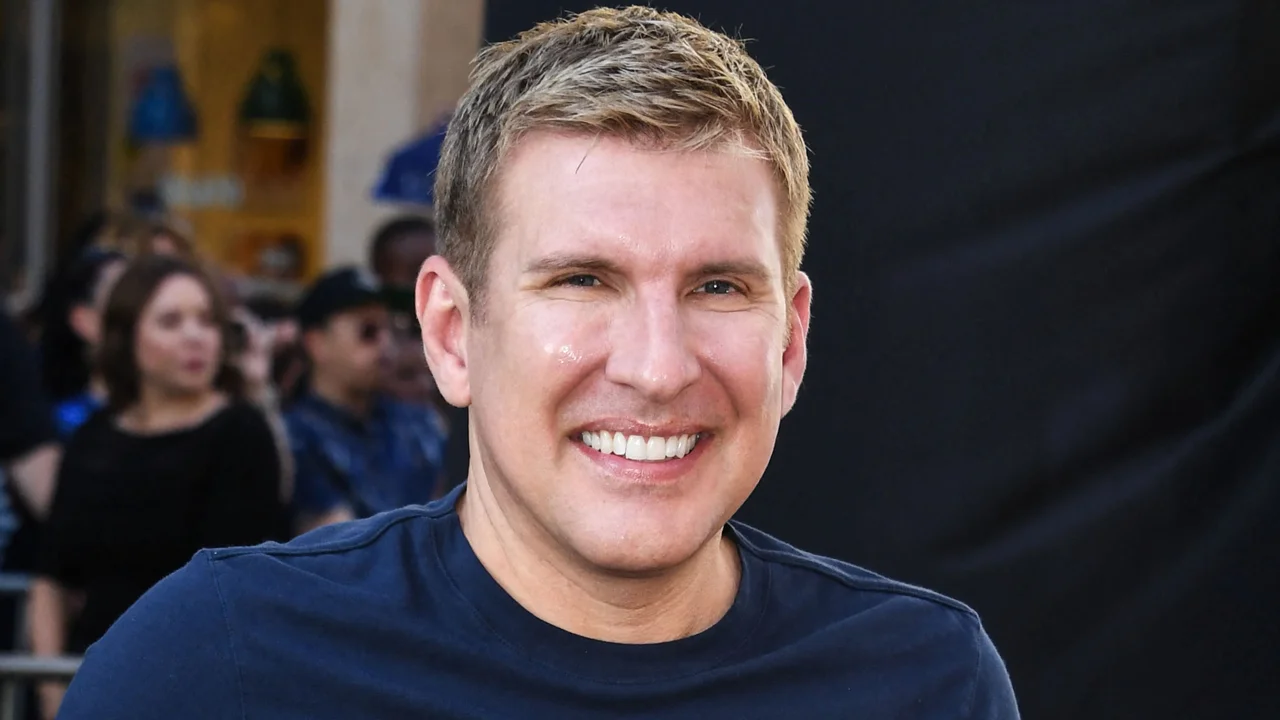
Chrisley said he met the woman at a car, got in, had sex with her and left. His account, shared during a conversation with the New York Times bestselling author and podcast host, was presented as an early episode in what he described as a colorful past. It’s a compact anecdote, told for its surprise and bluntness, rather than as a detailed account of the people involved or what happened afterward. That distinction matters: the episode is Chrisley’s recollection, offered years later, and the podcast’s appeal rests partly on the candid, sometimes provocative stories its guests choose to tell.
A personal story in a broader conversation
Chrisley has discussed his sex life publicly before. After he and his wife, Julie Chrisley, were released from prison in May 2025, he told PEOPLE that sex was foremost in his thoughts after 28 months apart. “I’m not gonna sit here and lie,” he said. The earlier interview and the new anecdote share a conversational directness, though they describe very different periods in his life: one concerned a reunion with his wife after incarceration, and the other reaches back to his time as a young restaurant worker. Together, they show how Chrisley has made personal disclosure part of his public persona.
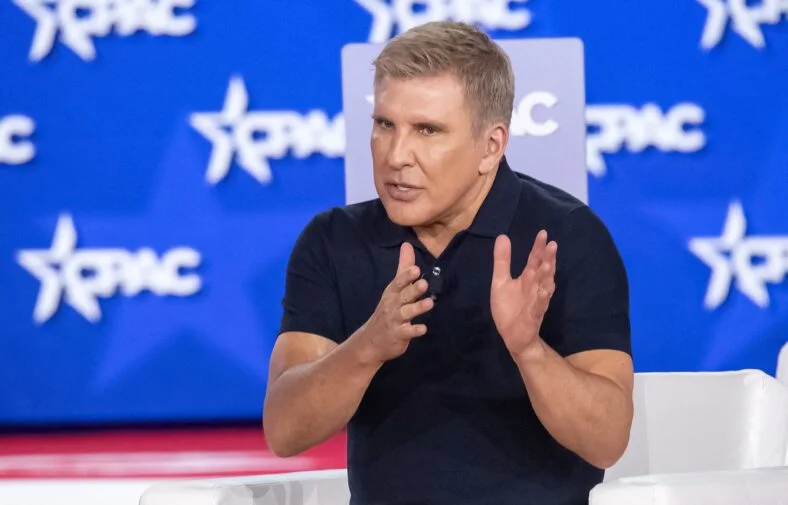
The podcast discussion also touched on the Chrisleys’ pardon and the politics surrounding it. Todd and Julie had been convicted of fraud charges and later received pardons from President Donald Trump. Their daughter, Savannah Chrisley, campaigned publicly for their release while they were incarcerated, arguing that her parents had been targeted because they were famous. Those subjects carry a different weight from a decades-old personal story: the pardon is a consequential part of the family’s recent history, while the anecdote offers a glimpse into how Todd chooses to narrate his past. The conversation moves between the two, linking his private memories with the public debate that continues to follow the family.
- 7 times Todd Chrisley’s kids have faced high-profile legal issues.
- Todd fights to keep his son’s drug test records out of a crash lawsuit.
- Todd and Julie were hit with a $1.5 million tax debt.
- Inside Julie and Todd Chrisley’s marriage a year after being released from prison.
The pardon and Chrisley’s political response
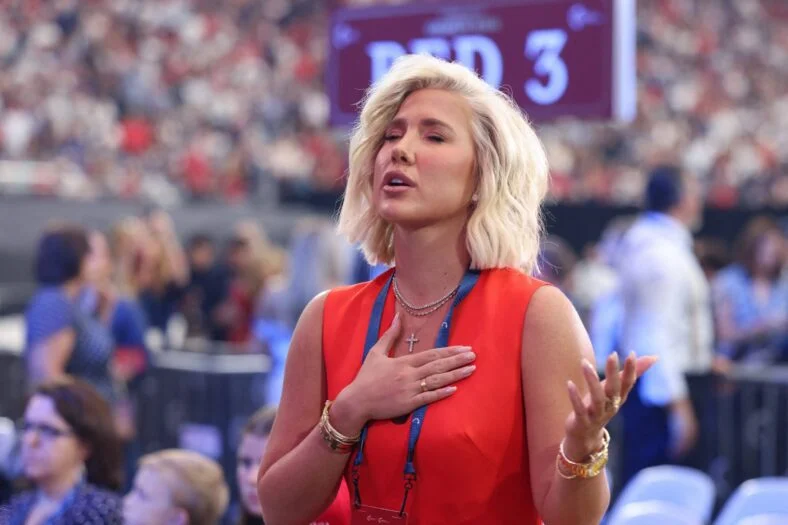
Savannah said Trump personally called to tell her about the pardons. She has credited the decision with bringing her parents home. Todd, for his part, recalled that he and other inmates watched the 2024 election closely. When Trump’s win was announced, he said, people around him cheered because they believed it meant there was hope for them. His account places the election inside the uncertainty of incarceration, where the result felt tied to the prospect of release. That’s his description of the moment, and it helps explain why the pardon carries such personal force in his public comments.
Chrisley has also pushed back at criticism of his support for Trump. He said critics never “really knew” his family and described them as “socially liberal and fiscally conservative.” He added that he doesn’t agree with everything Trump says or does, just as he doesn’t agree with every other politician or ordinary citizen. Still, he said the pardon shaped his view of the president: “I love President Donald J. Trump because he gave me my family back.” The statement is both a political defense and a personal explanation. This is more significant than it looks: for Chrisley, support is grounded in a specific outcome for his family, even as he says his agreement with Trump has limits.
Kandi Burruss responds to criticism
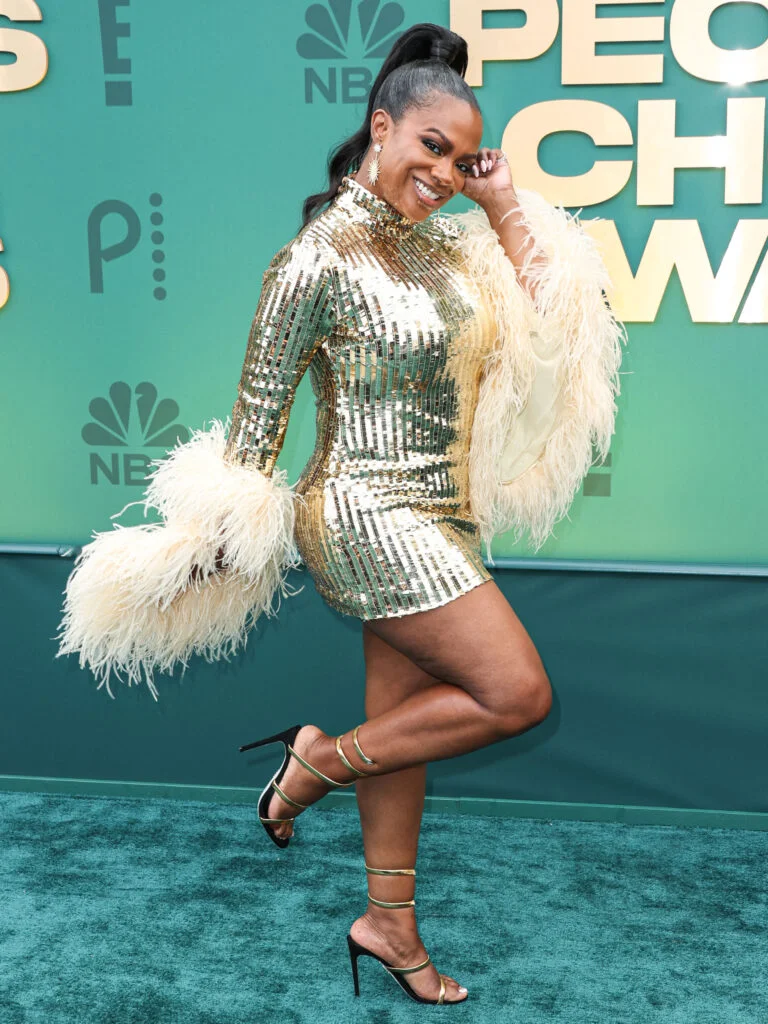
The family’s release also drew criticism toward “Real Housewives of Atlanta” star Kandi Burruss. She congratulated the Chrisleys on Instagram and later hosted them on her podcast, “Speak on It.” Burruss said she had been friends with Todd before his legal troubles and rejected the idea that being happy for the couple signaled a political position. Her response speaks to a familiar problem for public figures: a personal gesture can be read as a statement of allegiance once a relationship becomes entangled with partisan argument. Burruss drew a line between supporting people she knew and endorsing every political choice associated with them.
Her response underscores how the Chrisleys’ return to public life continues to pull personal relationships into political debate. Chrisley’s latest story, by contrast, was a sharply personal recollection—one he framed around a surprising tip, a late-night encounter and his early years working in Los Angeles. The two strands help explain the family’s continuing visibility: a personal story can draw attention on its own, while the pardon gives even ordinary expressions of support a political dimension. If you're following the Chrisleys, that overlap is the point to watch in their public conversations. And yet. The restaurant anecdote remains a story told for its shock value, with little detail beyond Chrisley’s own account.
What the story adds to Chrisley’s public image
The podcast appearance places an old memory alongside the newer, more consequential story of the family’s return from prison. The contrast is telling. A tale about an unexpected tip invites listeners to react to Chrisley’s personality; discussion of the pardon asks them to consider how he understands his family’s experience and his politics. Both rely on his own framing, so readers should keep the difference between a personal recollection and established public events in view.
For a celebrity whose public life has included reality television, legal trouble and a highly visible political intervention, candid anecdotes can keep the conversation moving between entertainment and biography. That’s the appeal, and also the limitation: a striking story may reveal how someone wants to be heard without telling us much about the broader circumstances. Chrisley’s anecdote is memorable because it is so abrupt. Its larger significance lies less in the old encounter than in how readily he places it within the story he tells about himself.