
Jack Antonoff has no plans to edit his relationship with Margaret Qualley out of his music. As the two move toward divorce after separating this summer, the Bleachers frontman says he’ll keep performing songs shaped by their time together, accepting that their meaning changes as life does. That choice treats a song less like a fixed record of one moment and more like something that can keep gathering meaning after its original circumstances change.
Margaret Qualley and Jack Antonoff filed for divorce on Friday, October 30. A source told PEOPLE that the filing is joint, uncontested and mutual. The source said New York State procedure requires one spouse to be listed as plaintiff and the other as defendant. That procedural distinction can sound adversarial, but the source described the filing as a shared decision. The filing gives the separation a formal next step, while offering little insight into the private reasons behind it.
A mutual decision after three years of marriage

Qualley and Antonoff began dating in 2021 and married in August 2023. They separated earlier this year, before their third anniversary. The source described their relationship as still marked by affection: “They share a deep affinity and love for one another, and though their romantic partnership is ending, they will absolutely be lifelong friends.” The timeline establishes how short the marriage was, but it doesn’t explain what changed between them. Affection and a decision to end a marriage can coexist; the source’s account presents the separation as a change in the relationship rather than evidence of a public dispute.
That account echoes the couple’s public response to the breakup. PEOPLE reported their separation on July 8; two days later, Qualley’s representative confirmed it and rejected claims circulating about the marriage. The quick statement set a clear boundary around what the couple was willing to confirm. It addressed speculation without offering a fuller account of their decision, leaving the personal details private.
Qualley’s representative rejects infidelity claims
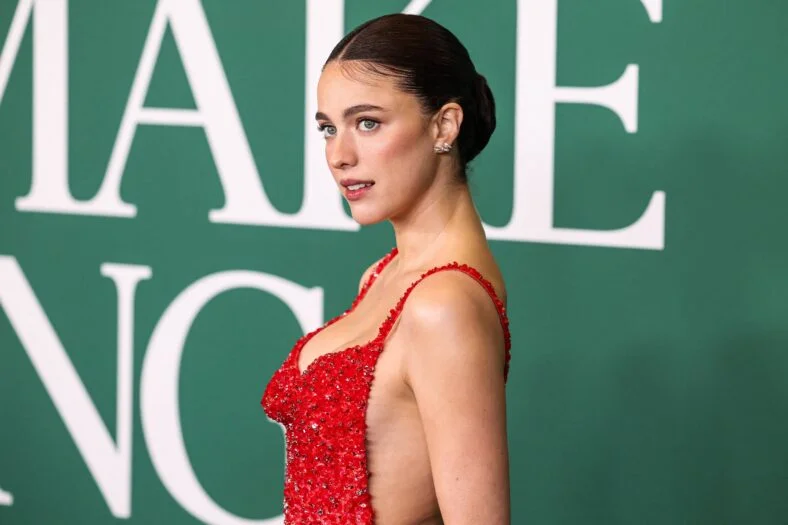
“The narratives running in the press about Margaret and Jack are categorically untrue. There are no trust issues. There was no infidelity or anything outside of respect and partnership in this relationship,” the representative said. The wording directly disputes claims about betrayal, while stopping short of describing the reasons the couple did separate. That distinction matters: ruling out one explanation doesn’t establish another.
The statement also challenged the accounts attributed to unnamed sources, saying those speaking to the press didn’t know the couple. “They have deep love and care for one another,” it continued, while asking for privacy. Neither the representative’s statement nor the latest report gave a specific reason for the separation. That leaves a gap between what’s been confirmed and what readers may be tempted to infer from headlines. Here's the thing: a firm denial of rumors can correct the record, but it doesn’t turn a private breakup into a public explanation.
- A report explored the sad reason Margaret Qualley ended her marriage to Jack Antonoff after reaching her “breaking point.”
- Taylor Swift found herself at the center of the conversation surrounding Jack Antonoff and Margaret Qualley’s breakup.
- Lena Dunham admitted to cheating on Jack Antonoff before their split.
Those linked reports show how quickly a couple’s separation can be folded into a wider web of celebrity relationships and old headlines. But the statements here don’t connect those stories to the reasons for this breakup. Keeping that distinction clear is useful for readers: surrounding coverage may raise questions, while the couple’s representatives have offered only limited, direct information.
Antonoff keeps relationship-inspired songs in the set

The split also gives new context to Bleachers’ latest album, “Everyone for Ten Minutes,” released in May. Several tracks draw on Antonoff’s relationship with Qualley. In an October 25 interview with The Guardian, he said he’d worried about performing recent songs after their separation. That concern is easy to understand: songs written from within a relationship can sound different once the relationship has ended, especially when listeners know the personal context. Yet removing them from the set would also imply that their original meaning had become unusable.
He chose to leave them in the setlist. The feelings were real when he wrote them, he said, and the songs can hold both “the terrible sadness and pain” and “a great power.” That openness appears to have created a shared moment with audiences rather than making the performances feel like a private postscript. It’s a choice with an obvious tension: the material is personal, but a concert turns it into an experience shared with people who may bring their own histories to it. If you’re working in music, that tension is familiar; an artist can own a song’s origin without controlling what it means to everyone who hears it.
“I don’t rewrite the past”

Antonoff called the experience “really beautiful”: listeners know what a song meant when he wrote it, he said, while bringing their own connection to it. He described the audience holding those perspectives together and celebrating the music. That’s a generous account of what live performance can do, though it also puts the artist’s private history in public view each night. The audience gets a new layer of context; the song itself remains open to more than one reading.

“I don’t rewrite the past, I have no shame about the things I’ve said,” he told The Guardian. For Antonoff, singing about happier periods while living through harder ones keeps both parts of the story intact. “I would rather live through something publicly than even escape it privately.” The remark offers a perspective on his work, not a detailed account of the marriage. Still, it’s a clear stance: a changed life doesn’t make the feelings that came before it false.
The divorce filing makes the end of their marriage official in process; Antonoff’s setlist shows he isn’t treating its history as something to erase. That may be more significant than it looks. Pop songs often outlast the moments that inspire them, and this case makes that separation between origin and afterlife unusually visible. The songs can remain in the set even as their meaning shifts. And yet, the public performance doesn’t resolve the private questions the couple has declined to answer. The record stays. The relationship changes.