The Iron Throne is one of Baldur’s Gate 3’s most effective horror sequences because it makes failure feel personal. A six-round countdown puts a group of prisoners in immediate danger, and the game gives players just enough time to understand how many people they might not be able to save. The threat isn’t a monster waiting in the dark; it’s the possibility of making the wrong choice under pressure.
A rescue with a hard deadline
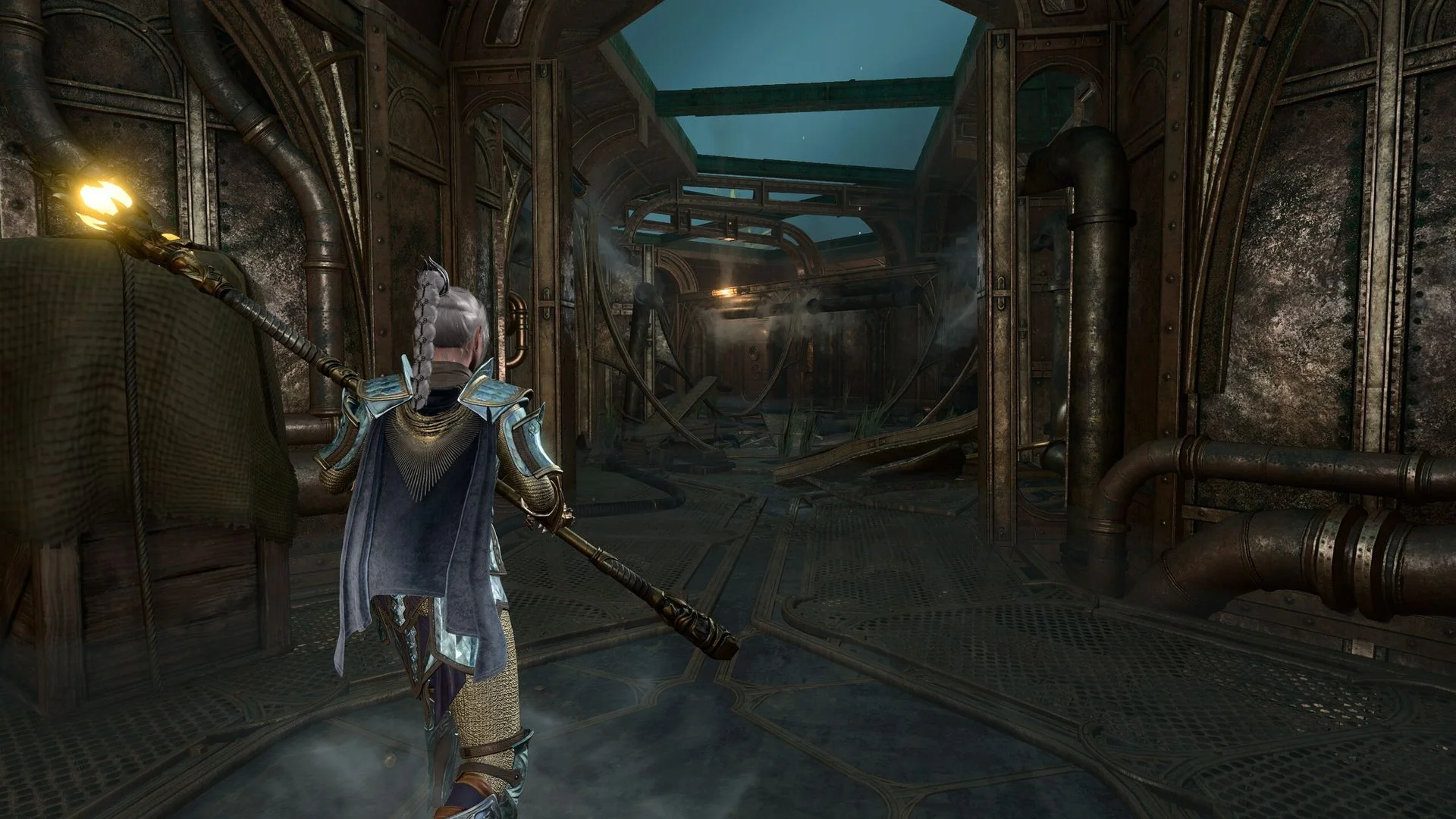
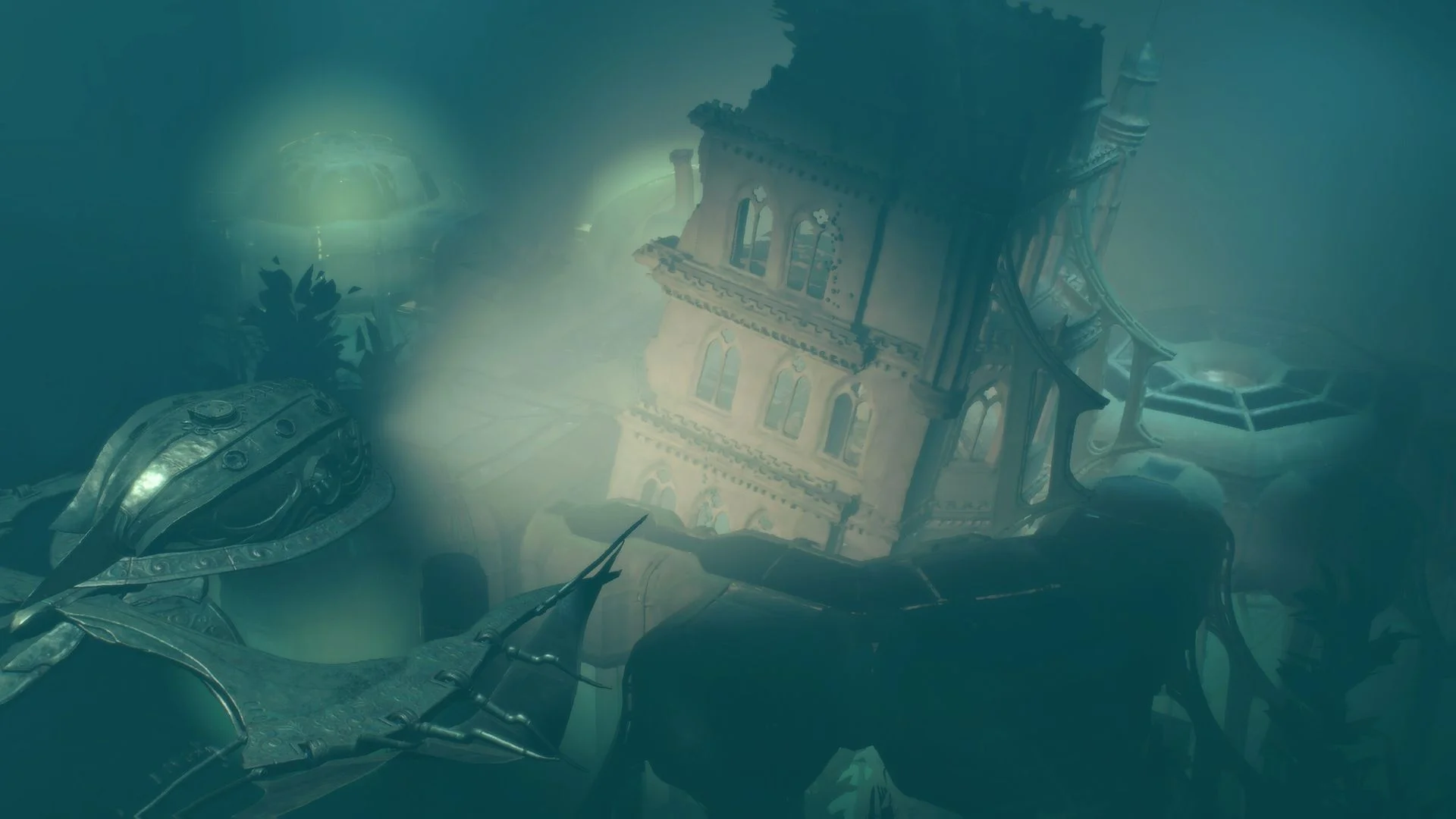
Enver Gortash’s underwater prison holds captive gnomes and several important figures tied to the story. When the party arrives by submarine, Gortash sets events in motion that will flood the prison. The group has six rounds to reach the prisoners, free them, and get back to the submersible.
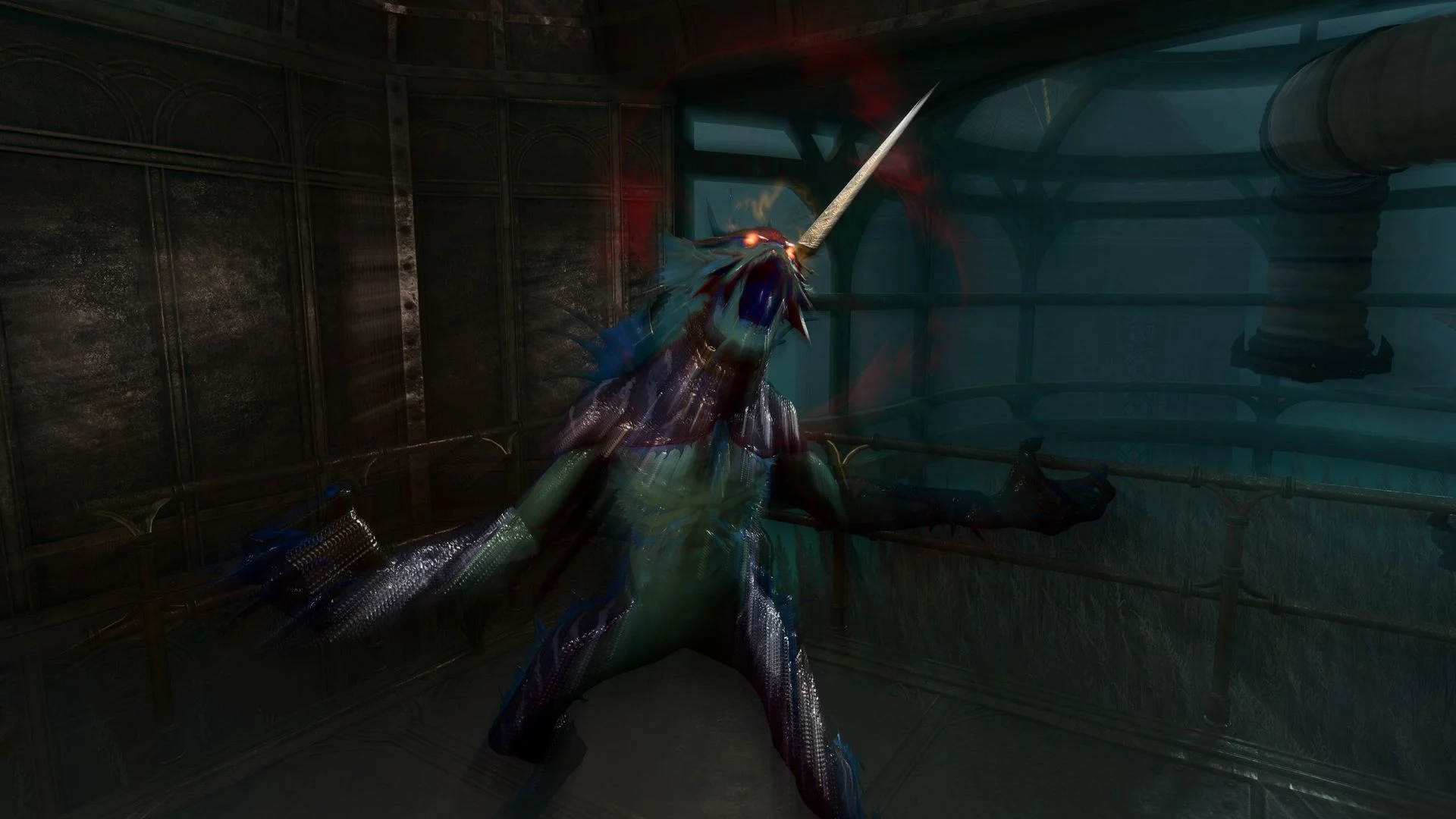
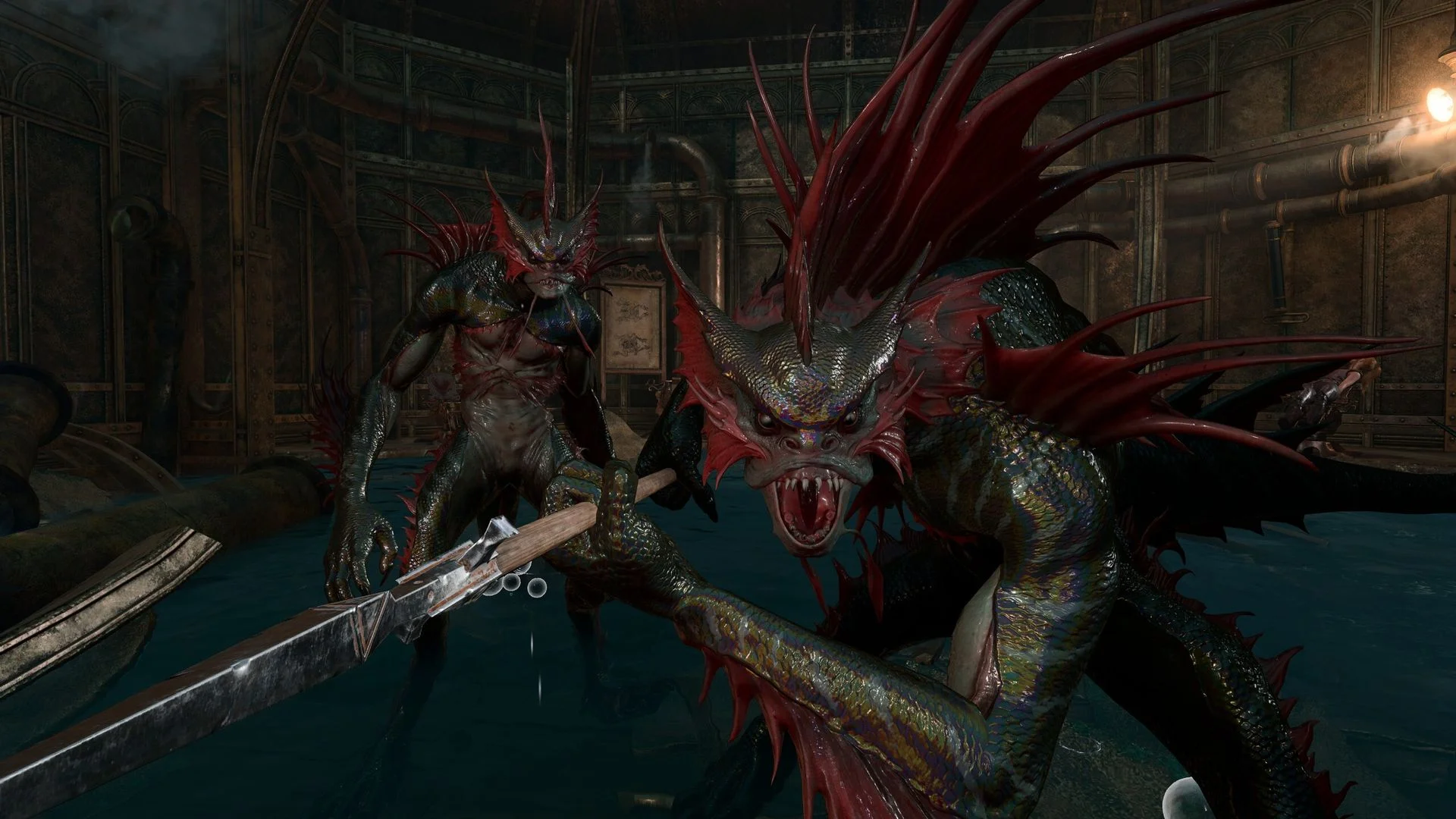
That deadline is tight even for players who know the encounter. On a first visit, the scale of the prison, its locked cells, flooded passages, and hostile enemies can make it difficult to grasp how much ground the party needs to cover. Turn-based combat normally rewards careful planning. Here, every turn spent fighting or opening a route competes with the time needed to get people out.
The stakes extend beyond the central plot. Baldur’s Gate 3 gives even minor gnome prisoners names, relationships, and dialogue that reflects whether they survive. Their presence makes the rescue feel less like clearing a tactical objective and more like taking responsibility for people who are depending on the party.

Why the timer changes the mood
Baldur’s Gate 3 offers ways to recover from many bad outcomes: reload a save, rethink a conversation, or approach a fight differently. The Iron Throne complicates that habit. Retrying means returning to the start of a lengthy, demanding sequence, then navigating its cells and corridors all over again. The encounter makes a second attempt feel like work, so a player has to weigh whether perfection is worth the effort.
That friction gives the countdown its force. Players who are used to treating a failed roll or a lost fight as a temporary setback may find themselves making decisions they’d normally reverse. A rescue route that looks efficient can leave someone behind; a fight that seems manageable can consume turns the party can’t spare. The game turns its action economy into a puzzle with human consequences.
Preparation can improve the odds, but it doesn’t erase the pressure. On an unprepared first run, saving everyone may feel impossible. A successful attempt can require haste spells, teleportation, portal scrolls, telekinesis, and a plan for what each party member will do. Even with those tools, one poor decision can force a choice about who gets left behind.
By giving us a puzzle to solve using the turn-based action economy with lethal consequences for small errors, Larian created a deep well of fear beneath the sea.
Failure has different costs
What happens to the party after the timer runs out depends partly on the difficulty mode. Outside Honor Mode, fallen companions can wash ashore, where Withers or other available magic may bring them back. Honor Mode makes a failed escape far more final for party members. The prisoners and other characters who die in the sequence don’t get the same chance to return, and one of them has a particularly strong connection to a party member and a wider role in the story.
That difference sharpens the encounter’s design. Even when a player can reload, the quest creates a brief, convincing taste of permadeath anxiety: the sense that the result might stand. For players who do not use Honor Mode, the knowledge that a save is available can soften the consequences. But the time and effort required to replay the prison still make that safety net feel less comfortable than usual.
After hundreds of hours and multiple playthroughs, the Iron Throne can still demand attention. Familiarity helps, but it doesn’t turn the rescue into a routine checklist. Players must still budget turns, coordinate their characters, and decide how to respond when the plan starts to slip.
Fear without a jump scare
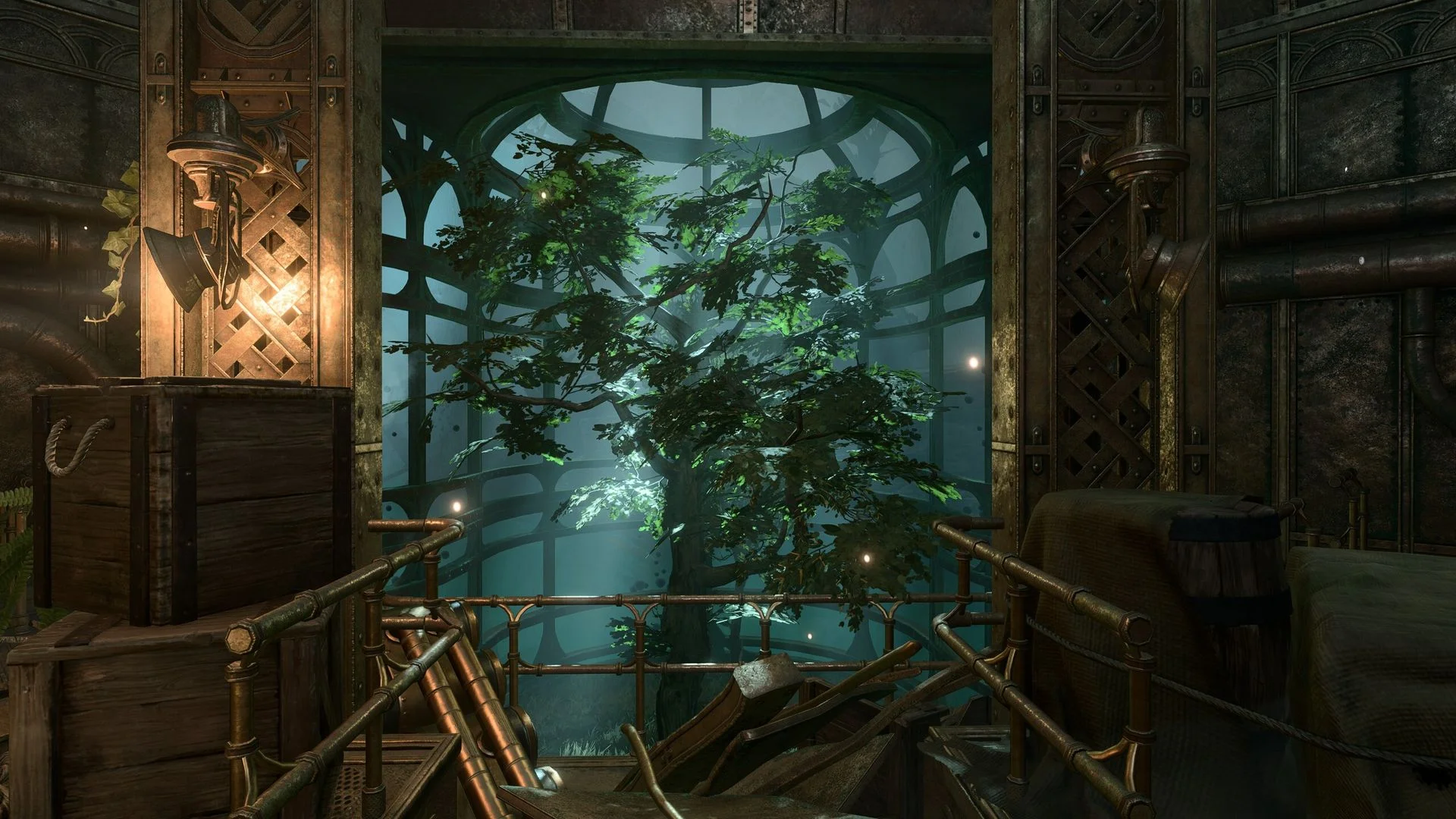
The Iron Throne’s atmosphere helps, but its tension comes from the rules. Baldur’s Gate 3 has more conventionally eerie places, including the Mindflayer Colony beneath Moonrise Towers, with its murky cells and disturbing inhabitants. Yet the prison’s most unsettling feature is a deadline that makes every action count and every mistake visible.
That’s a useful lesson for games built around repeat attempts. When defeat usually means starting over with new knowledge, consequences can begin to feel temporary. The Iron Throne pushes against that expectation by making a poor outcome costly to undo and by attaching names and relationships to the people at risk. The result is fear rooted in responsibility rather than surprise.
Its ending can be bittersweet. A player may get most of the prisoners out and still have to live with a loss that could have been avoided with better preparation. That makes success feel earned, while the next trip to the submersible brings the same immediate question: how much can the party save before the water takes over?