The most revealing question in Netflix’s three-part The One About Matthew Perry isn’t how a sitcom star became famous. It’s why fame failed to quiet the pain he carried. That tension gives Mary Robertson’s documentary its focus: Perry’s career mattered, but his account of addiction, recovery and relationships gives the series its weight.
An archival recording sets the tone. “I said God, you can do anything you want to me, just please make me famous,” Perry says. After fame arrived, he reflected, “God did not forget the other part.” The line lands as a rueful summary of the bargain he thought he was making. It also points to the distance between the public image of Chandler Bing—wry, quick with a joke, and ultimately warm—and the private struggles that celebrity couldn’t resolve.
The series was released on the third anniversary of Perry’s death and traces his life through his own recorded words, archival footage and interviews with people close to him. His younger sister, Mia Perry Bowick, and longtime friends David Pressman and Roger Castillo help build a portrait from personal experience rather than celebrity commentary. The result feels measured and humane, even when it follows the repeating pattern of addiction and attempts at sobriety.
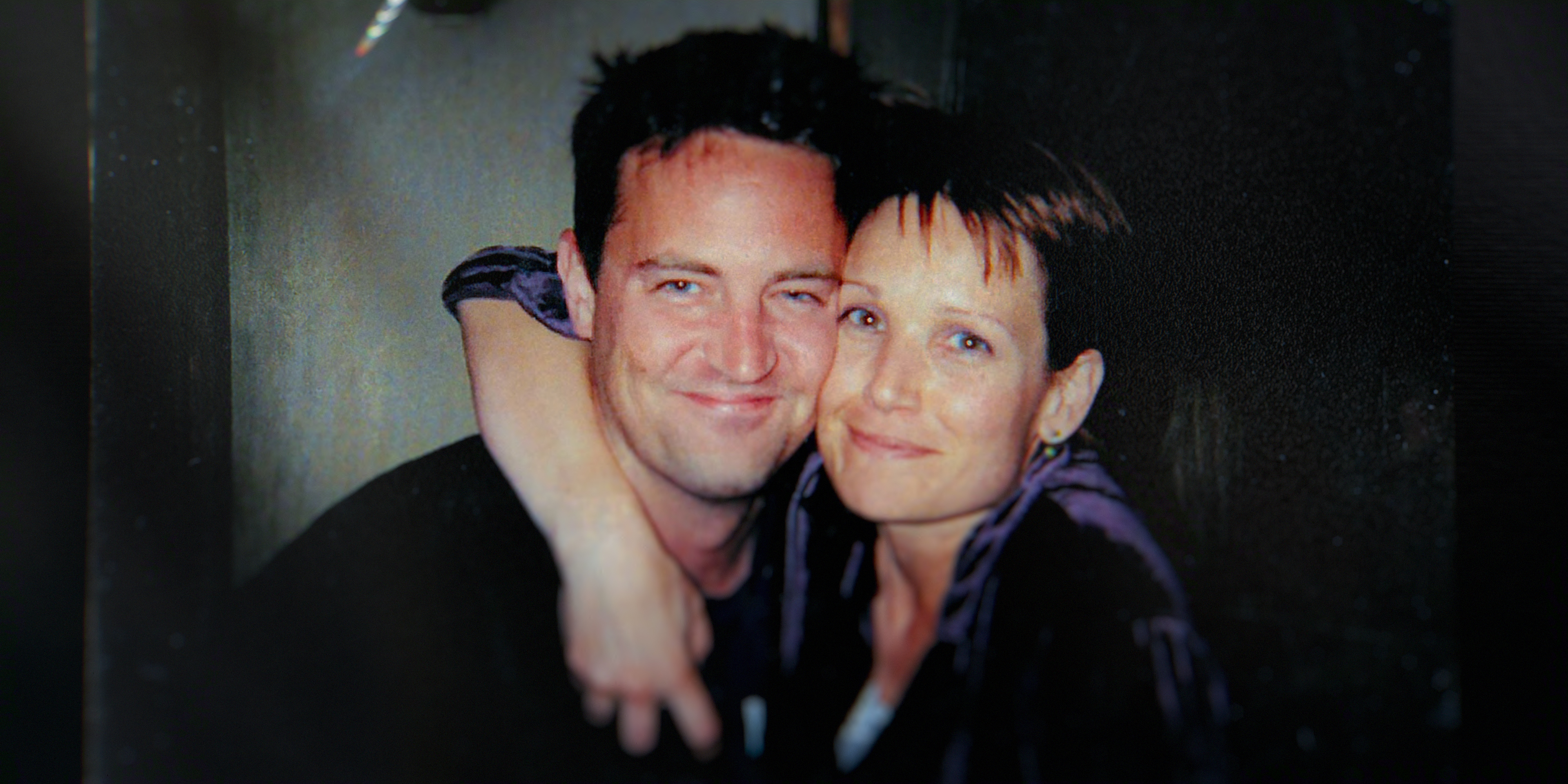
The One About Matthew Perry: Season 1. (L-R) Matthew Perry and René Ashton in The One About Matthew Perry: Season 1. Cr. NETFLIX © 2026
Fame arrives before the answers
Perry’s ambitions began early. He spent his childhood in Canada with his mother while his father, actor John Bennett Perry, lived in Los Angeles. His father’s career helped draw him toward acting, and Perry wanted the kind of Hollywood success that would make him famous. He also had a lasting fascination with Batman. A childhood mask gave way to Batman memorabilia in his adult homes, a personal detail the series connects to his interest in using his money to help others.
As a teenager, Perry moved to Los Angeles, where he became close with Pressman and Castillo. The documentary uses their recollections to show the friendships that predated his biggest role. It doesn’t include an interview with Hank Azaria, who also belonged to that early circle. His absence stands out because the series includes photographs of him, while other friends and family appear on camera. Still, the people who do speak provide a consistent view of Perry outside the sitcom’s orbit.
Friends changed the scale of his career. NBC president Warren Littlefield describes Perry as the final piece in the casting puzzle. The show became a defining success, and Perry wanted to build a film career alongside it. Fools Rush In gave him an early leading role, but its production also marked the start of a serious problem: a jet ski accident left him badly injured, and treatment with Vicodin led to addiction.
Perry’s own narration makes clear that professional success didn’t deliver the relief he expected. “I was extremely happy when I got famous, then it’s like, ‘Uh-oh, this didn’t fix what’s inside me. This didn’t do what I thought it was going to do,’” he says. The series doesn’t treat that realization as a tidy explanation for everything that followed. Instead, it places his fame beside a longer struggle with painful emotions and a sense of abandonment rooted in childhood.
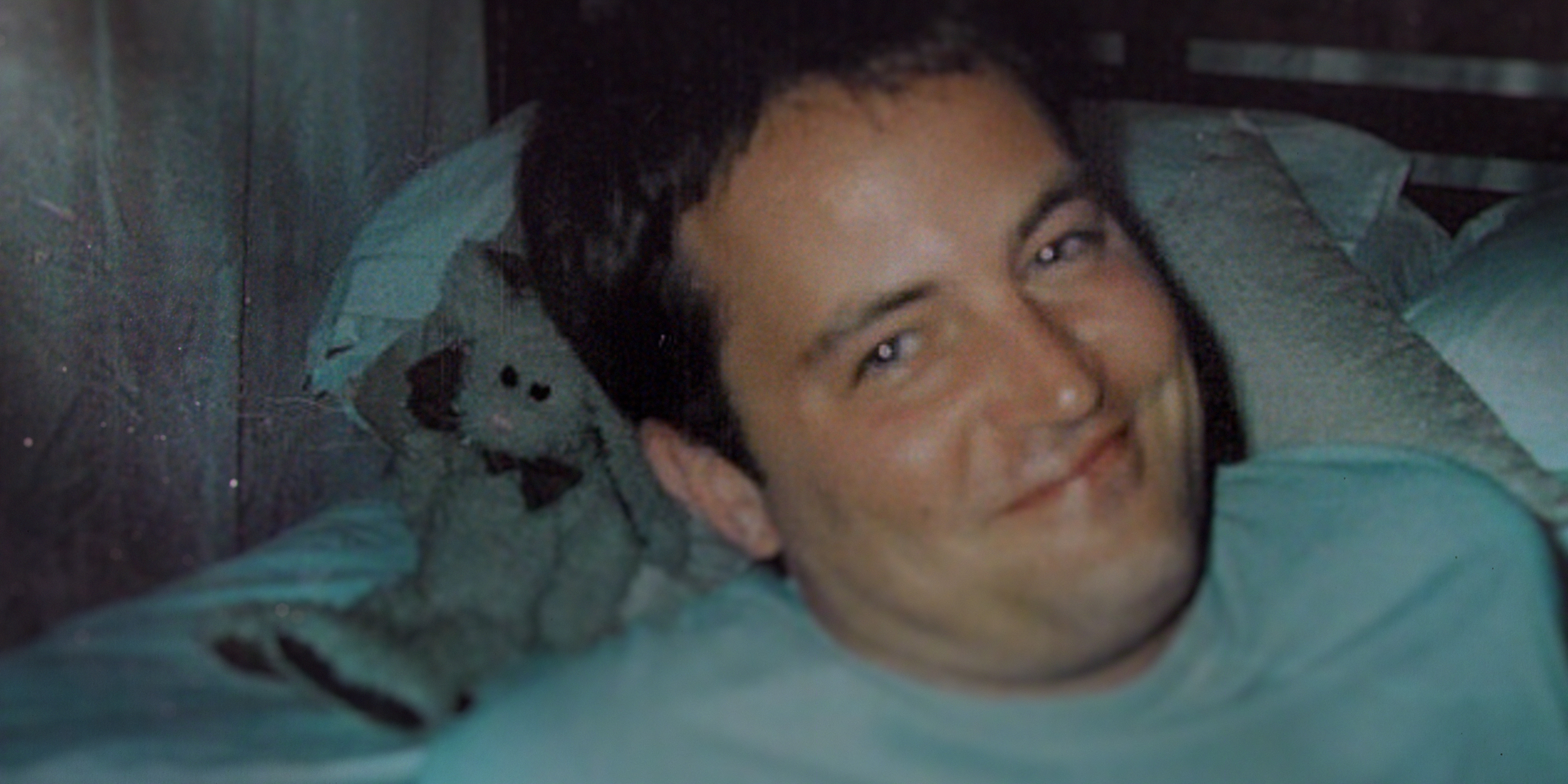
The One About Matthew Perry: Season 1. Matthew Perry in The One About Matthew Perry: Season 1. Cr. NETFLIX © 2026
A structure built around the person, not the celebrity
Robertson and editor Jessica Miller organize the episodes around shifts in Perry’s life and work: the years before Friends, his move toward film roles, and the growing presence of substance abuse. That structure gives the series room to follow his changing circumstances without reducing the story to a career timeline. It asks what his relationships and own reflections can tell us about the person behind the familiar television persona.
That choice also shapes who gets to tell the story. No Friends cast members appear. Their absence keeps the focus on people whose accounts speak directly to Perry’s private life and his efforts to support others. The documentary can’t establish every detail of his offscreen relationships with his castmates, including Courteney Cox, who played his love interest Monica. But it doesn’t need those interviews to make its central portrait work.
The series is especially effective when it lets friends describe ordinary acts of care. People Perry met through Alcoholics Anonymous or rehabilitation recall a charismatic man who could be easygoing and generous away from the cameras. Their stories give specific shape to the kindness that might otherwise sound like a broad tribute. They also complicate the familiar image of a celebrity whose life is defined by success and public attention.
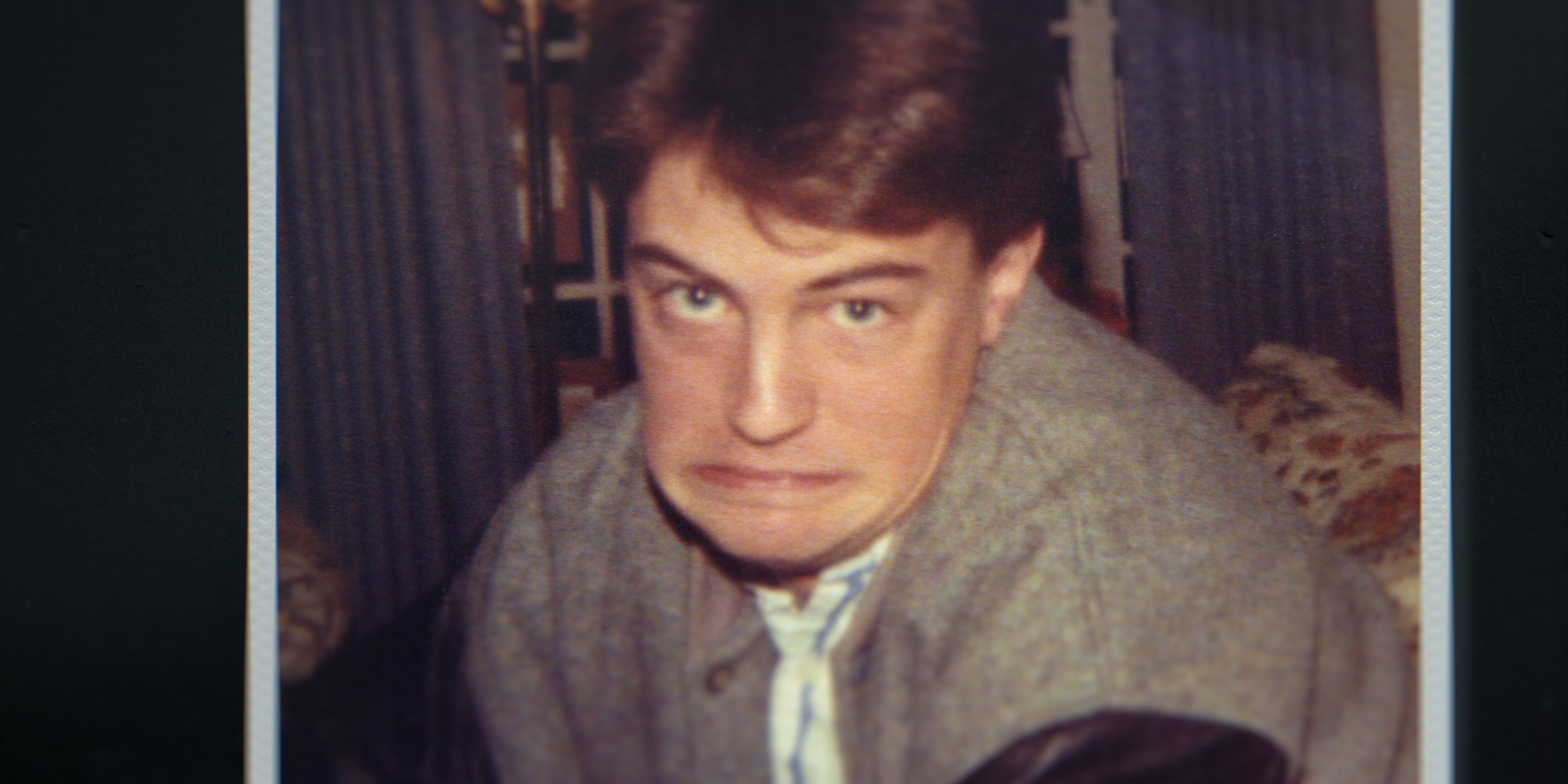
The One About Matthew Perry: Season 1. Matthew Perry in The One About Matthew Perry: Season 1. Cr. NETFLIX © 2026
Recovery stories reveal a different side of Perry
Two accounts in the final episode make that generosity tangible. Perry’s former girlfriend Rome describes meeting him in recovery. They connected over the idea of caring for their bodies as temples. When she developed neck problems, Perry took her to a chiropractor. It’s a small, personal memory, and that’s precisely why it works: it presents kindness as an action rather than an abstract quality.
Timothy Harrington, another person Perry met through recovery, recalls receiving practical support from him in 2001. Perry offered Harrington a place to stay, and the two lived together for about a year. The gesture suggests a man willing to put his own resources at the service of someone else’s sobriety. It also sits alongside the documentary’s account of Perry’s own uneven path, a contrast the series doesn’t try to resolve into a simple moral.
That balance is the documentary’s main strength. It addresses addiction directly, while making space for the relationships and generosity that shaped Perry’s life. The focus stays on his experiences and the people who knew him, rather than turning personal hardship into tabloid spectacle. The interviews don’t claim to explain every setback, and the series doesn’t offer an easy answer for why recovery remained difficult.
Perry died at 54, after years marked by fame, substance abuse and efforts to stay sober. The One About Matthew Perry can’t make those struggles feel neatly understood, and its strongest contribution is that it doesn’t pretend otherwise. Instead, it gives viewers a fuller account of a person remembered for Chandler, but described by those close to him as far more than his most famous role. For anyone familiar with Perry mainly through Friends, the series’ most lasting insight may be how much of his character shows up in the people he tried to help.