Producer Aviel Hirschfield withdrew his claim that Drake copied the song’s chorus, leaving the authorship allegations and demo evidence unresolved.
A copyright case collapses almost as soon as it begins
Drake’s “Janice STFU” copyright dispute ended less than two weeks after it was filed. That’s a strikingly fast turn for allegations that had already drawn intense attention—and it leaves the central question unresolved: what, if anything, supports producer Aviel Hirschfield’s claim that he wrote the hit’s chorus?
Hirschfield, an Oregon producer and rapper, said he was driving to Seattle last year in a friend’s borrowed Maybach when Lykke Li’s 2011 song
“I Follow Rivers” came on. Its hook caught his attention, he alleged, and he began writing a chorus inspired by the track. His lawsuit claimed that Drake later used that chorus verbatim in
“Janice STFU.” The complaint was filed in federal court earlier this month.
The story would be remarkable if substantiated. But a court filing shows Hirschfield voluntarily dismissed the case roughly 10 days after filing it. A dismissal doesn’t establish whether the allegations were true; it does leave the claim’s basis—and the reason the case ended—unclear.
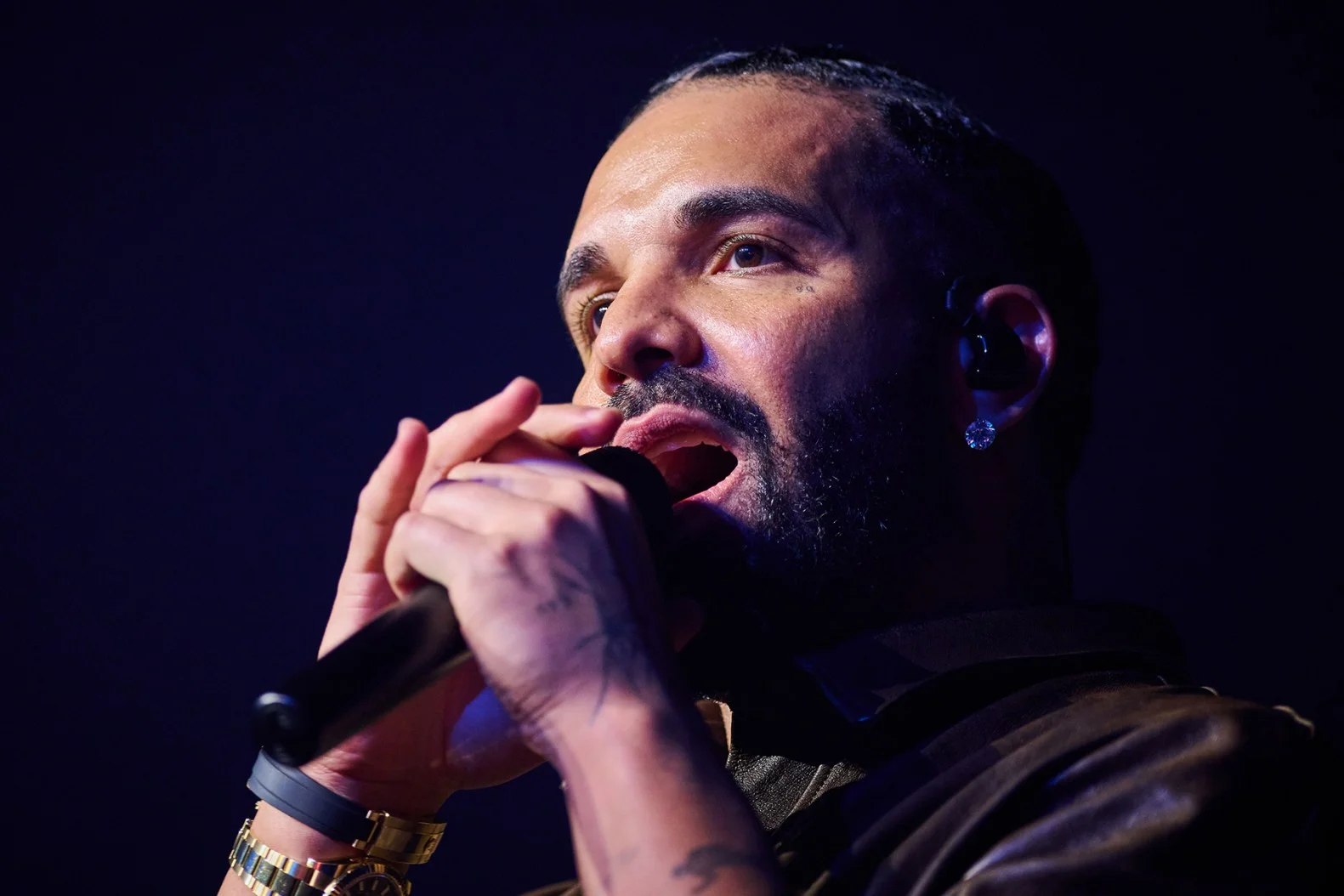
Drake’s team categorically denied that an uncredited Oregon producer wrote the chorus, calling the lawsuit “manufactured and baseless.” The allegations had been dissected across music outlets, Canadian media, podcasts, video commentary, and viral social posts. The attention reflected the song’s profile: “Janice STFU” anchored Drake’s comeback on
Iceman and, by some measures, ranks among the biggest hits of his career, according to
Rolling Stone’s reporting.
Questions remain about the claim
Before the withdrawal, a representative for Hirschfield told
Rolling Stone the producer accused Drake of taking “his copyrighted music and [claiming] it as their own.” The representative added: “The complaint speaks for itself. This song was written specifically
for Drake using music provided to [Hirschfield] that was created by Drake’s producers.”
Then came the withdrawal.
Rolling Stone had sent additional questions to Hirschfield’s attorney days earlier, but the available information doesn’t explain what happened next or why the producer dropped the case.
One piece of evidence discussed around the dispute was a
recording posted to X that was said to be a Hirschfield demo, with a pitched-down voice singing the recognizable “Janice STFU” chorus. A recording alone doesn’t settle questions of authorship or copyright. With the lawsuit withdrawn, the dispute’s most consequential claims have yet to be tested in court.
The evidence and the backstory remain unsettled
The dispute leaves a basic question hanging: how much confidence should anyone place in the demo? A representative for the producer told
Rolling Stone last week that “multiple experts” had reviewed the file metadata supplied by Hirschfield and found it legitimate. After the recording appeared online, though, listeners raised doubts about whether it
looked suspicious. The public information doesn’t resolve that disagreement.
The timeline adds another complication. Hirschfield said he wrote to a beat in January 2026, while another producer involved in the track’s creation recently told
Billboard the beat wasn’t written until March. And the song’s chorus melody draws on a well-known 2011 track, raising broader questions about how
copyright claims are judged when pop music routinely revisits older material. The fragment doesn’t explain how those legal questions apply here.
Drake has faced
controversy,
reputational damage, and
litigation in recent years. That history makes another potential dispute notable, but it doesn’t establish whether Hirschfield’s claim had merit. Nor does the connection between the two men settle the question: both are among the more than a dozen writers credited on Beyoncé’s “Heated,” from
Renaissance.
A credit that became a calling card
Before suing Drake, Hirschfield’s most visible credit was his work on “Heated.” The 33-year-old Portland, Oregon, musician describes himself on LinkedIn as a studio manager, audio engineer, and producer, with clients including Playboi Carti, Travis Scott,
Star Wars, and Disney.
Rolling Stone said it couldn’t reach him directly for comment.
Exactly what Hirschfield contributed to Beyoncé’s song is unclear. When it came out, he
called himself a co-producer.
Some published credits list guitar and co-production;
others list guitar alone, under the name Calev. Spotify currently names him as one of 18 songwriters. Beyoncé’s representative did not respond to a request for clarification.
Hirschfield made the most of the association. He posted about
Renaissance’s success and attended the Los Angeles ceremony when the album received nine Grammy nominations, where he gave a red-carpet interview. “I started the idea for the song that I produced maybe five years ago,” he
said then. “I knew that the idea was good. I just had to find the right home.” Three years later, he brought allegations against Drake in a suit that has since been dismissed.
That Beyoncé credit was prominent in early coverage of the case, partly because Drake is also credited on “Heated.” But a past songwriting credit, even one attached to a major album, can’t by itself answer who wrote a later chorus or when they wrote it.
Going public has a cost
Copyright claims against major artists carry professional risk, says Kevin Greene, a copyright scholar and law professor. Songwriters and producers may weigh the possibility of infringement against the chance that a lawsuit could make future work harder to find. “If you’re in the songwriting community, you have to think hard about whether you want to sue Drake, even if there’s an infringement,” Greene says. “[It’s a question of], ‘Do you want to work again? With that on your resume?’”
Making a claim is one thing; proving it is another. Entertainment and copyright lawyer Brian Levenson says his firm regularly declines cases it considers frivolous. “I’ve gotten calls that are like, ‘Billy Joel’s “Piano Man” infringes on my work.’” That’s the uncomfortable balance in disputes like this: powerful artists may deter valid claims, while the existence of an accusation alone says little about its strength.