Henry Rollins has spent 47 years collecting the physical history of punk and garage rock. Now he wants people to see it. His Nashville exhibit, “Henry Rollins: Cool Evidence,” will bring rare posters, photographs, setlists and artwork into public view, while his work behind the scenes is helping preserve recordings and documents that might otherwise deteriorate.
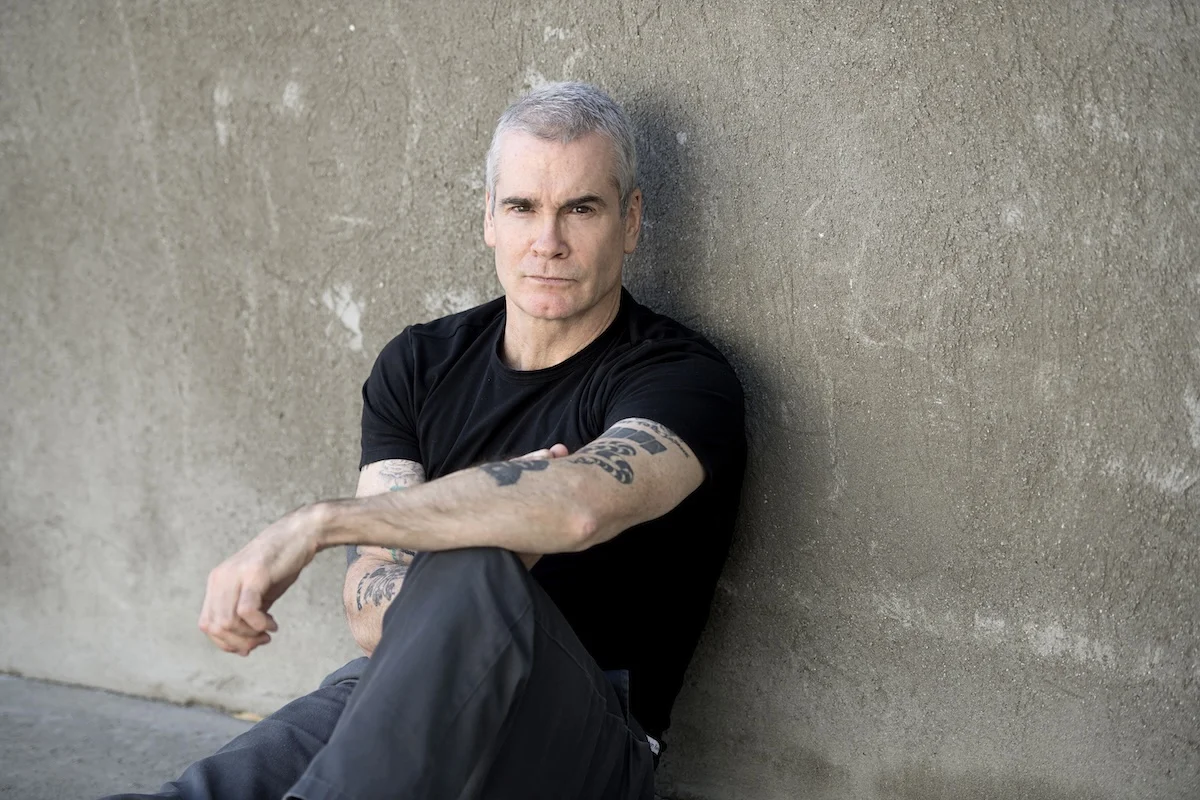
The free, two-day exhibit is scheduled for November 6 and 7 at Radar615 Gallery in Nashville, open from 2 p.m. to 9 p.m. Central each day. Its selection spans bands including Minor Threat, the Gun Club, the Stooges, Joy Division and the Cramps, as well as Black Flag. Rollins says he’d prefer to leave out pieces that put his own face in the spotlight.
That reluctance fits the way he talks about the collection. In his Nashville home, a framed poster for Minor Threat’s September 23, 1983, show at Washington, D.C.’s Lansburgh Cultural Center stands out from the artwork around it. The bill included Trouble Funk and the Big Boys. Ian MacKaye, Rollins’ friend and a former Minor Threat and Fugazi frontman, gave him the poster.
“That’s the last ever Minor Threat show,” Rollins says. He’d wanted the poster for years and took it straight to a framer. The excitement is unmistakable, even as he’s quick to distinguish his own role from the musicians whose work he collects: “This stuff, it’s not me. I’m not Dave Vanian [lead singer of the Damned]. I’m his fan. I’m not Iggy Pop. I’m his great admirer.”
From private collection to public exhibit
Rollins has more than 400 framed pieces, gathered over nearly five decades. The collection has outgrown the walls of his former Los Angeles home and now fills storage space in Nashville. The idea to exhibit it came from longtime manager Heidi May, who saw the scale of his collection firsthand and urged him to share it.
Rollins and May are mounting the Nashville show with a small team that includes Cramps publicist Jo Murray. Rollins is paying thousands of dollars of his own money to put on the event. He says music collector and appraiser Jeff Gold gave him a useful way to think about the effort: “Our job now that we’re old with stuff like this is to release joy.”
“I’m holding on to that,” Rollins says. It’s a simple mission, but the exhibit gives it a concrete form: make artifacts available to fans, and bring the stories attached to them along. His instinct is to keep admission affordable. Future events, he says, will have “punk rock prices,” and as many as possible will be free.
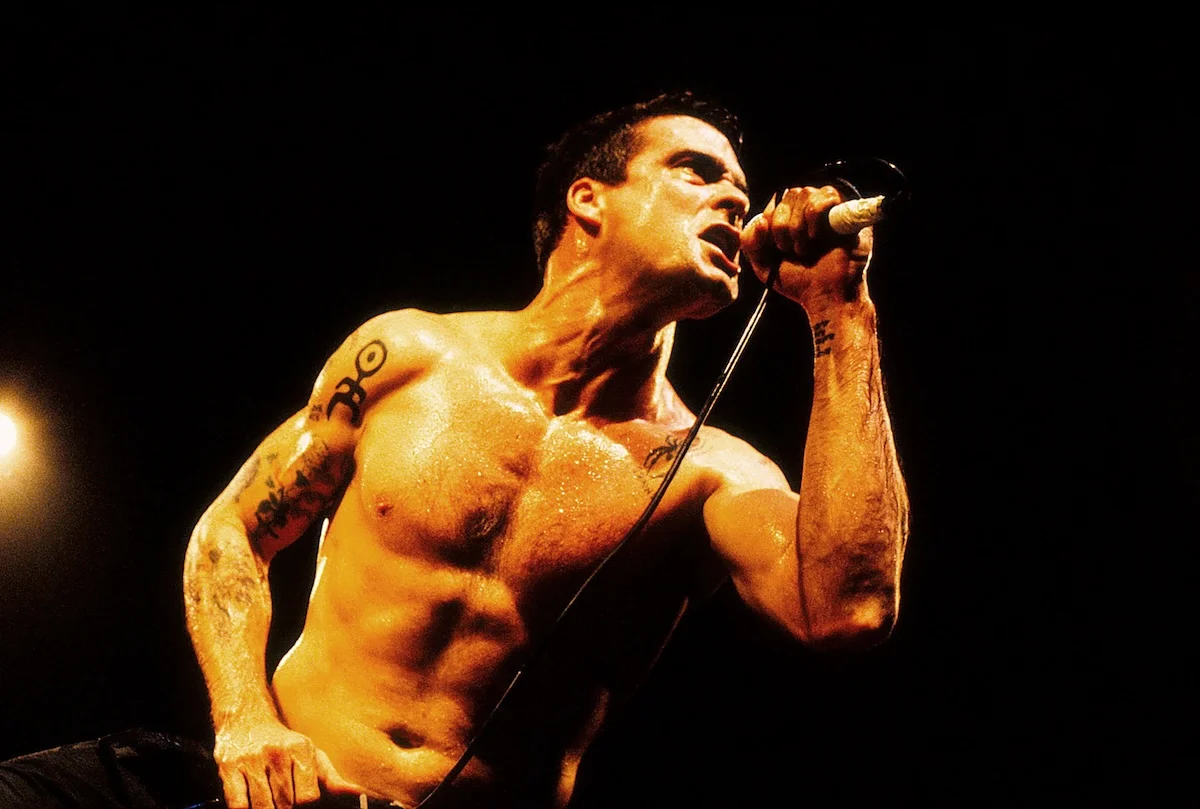
Rollins’ commitment to the project isn’t just about displaying collectibles. He has also taken on the slow, practical work of preserving material owned by fellow musicians. That includes master tapes, photographs, flyers, scrapbooks and stage clothes—objects whose historical value can be lost if they’re stored poorly or left uncatalogued.
Preserving recordings and paper trails
One major effort centers on the Cramps’ archive. Rollins worked with MacKaye and In the Red Records founder Larry Hardy to restore and release the band’s lost 1977 album, Gravest Gravy. A second collection, More Gravy, is scheduled for November.
Getting the source material required patience. Rollins says he and Hardy spent six or seven years persuading Cramps guitarist Poison Ivy to let them remove the band’s tapes from her garage. Once she agreed, Rollins flew to Los Angeles, rented a van and drove to Glendale to collect the materials. He has since been transferring the Cramps’ master reels into archival boxes at his own expense.
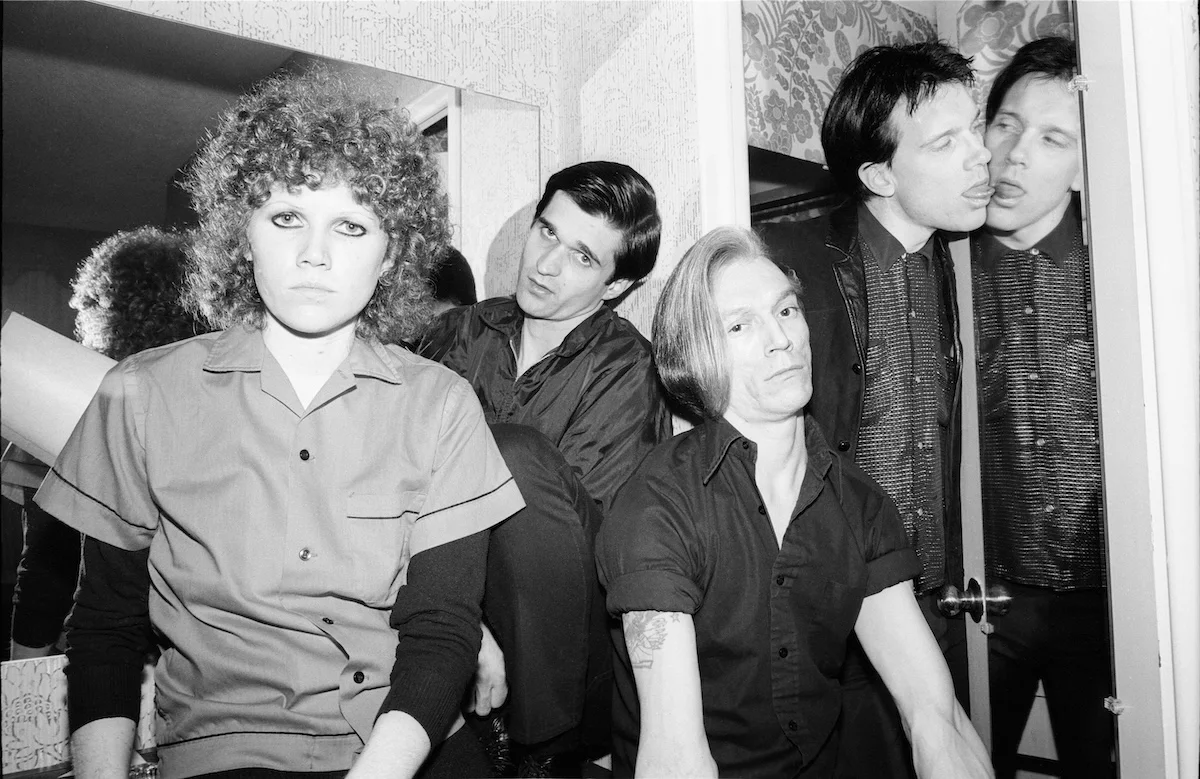
He’s also helping organize material from Kid Congo Powers, the Gun Club and Cramps guitarist-singer, and Alicja Trout of Lost Sounds. Powers’ collection includes tour scrapbooks, stage clothes and photographs. Trout’s archive contains more than 300 flyers, setlists and posters documenting Memphis’ punk scene.
To learn how to handle these items properly, Rollins hired a specialist from the Smithsonian Institution to teach him archival scanning, document handling and storage. He now cross-references negatives, venue flyers and receipts to help establish where and when materials originated. That attention to provenance gives the project a working archive’s discipline, even as its public face is a gallery show.
Rollins’ own collection includes objects with unusually close ties to music history: the only known surviving acetate from Iggy Pop’s high school band, the Iguanas; Buzzcocks acetates made by producer Martin Rushent; and one of 25 original U.K. Cramps test pressings of Songs the Lord Taught Us, featuring an alternate version of the album before its remix.
A working space built around sound
In Nashville, the archive shares space with Rollins’ writing and listening setup. He moved there five years ago after four decades in Los Angeles, driving across the country in an old Mazda. His workroom has a wooden desk, bookshelves packed with his self-published titles and other books, and the equipment he uses for writing and his weekly KCRW radio show.
The home’s lower-level addition holds his vinyl collection and audio equipment. The previous owner built the space for Monday night football parties; Rollins bought the house for the room. It has dedicated electrical infrastructure for high-fidelity systems and tape transfers, along with its own heating and cooling system to control temperature and humidity for archival storage.
“This is the best work-listening space I’ve ever had,” he says. The system, he adds, now has the power the amplifiers need. Among the records is the archive material that fuels his work, but Rollins’ collecting stretches well beyond vinyl.
His spending priorities show in the contrast between the archive and his daily life. He describes shopping for grocery-store deals, eating spinach and inexpensive clam chowder, and buying basic clothes at Walmart. The older Mazda is still his car. “I’m comfortable. I work every day,” he says. “I’ll be looking like this until I die.”
The next stage
The Nashville exhibit is a first outing, not the planned endpoint. After a year promoting his memoir, Bait Dog Boy, due from Random House on March 2, 2027, Rollins intends to expand the pop-up into longer-running museum and gallery exhibitions. He hopes to bring them to major U.S. cities and audiences abroad, showing more of the collection along the way.
The exhibit also arrives as Rollins prepares to publish a book drawn from his life and work. He calls the memoir intense, but deflects praise for it: “You’re not going to get me to float my own boat or blow smoke up myself. It’s fine. I think it holds water…”
For Rollins, the through line is the material itself: flyers, setlists, test pressings and master tapes, preserved so they can be seen, heard and understood. His Nashville show will offer a first look at what that work can make public. The longer-term test will be whether he can bring the archive to more people without losing the care that makes it worth sharing.
More from Spin:
- Update: System Of A Down Adds Fourth Rose Bowl Show
- The SPIN Q&A: Queens Of The Stone Age’s Josh Homme
- Flaming Lips ‘Throb’ On Third Man Debut
For a running list of the top 100 greatest rock stars of all time, click here.