From a fear of flying to a working musician
John’s dislike of travel began with a frightening childhood flight to Palm Springs. In the 1970s, he recalls, pilots might fly into a storm and tell passengers they were “riding the storm out.” He got violently sick and was terrified. Still, he knew touring came with the job. A documentary short he saw in the late 1970s or early 1980s gave him another idea: become a musician who could work from home. He moved to California and began doing sessions. One job led to another, and eventually to touring. He prepared for session work by studying relentlessly. Starting around fifth grade, he worked on reading music and playing different styles so he could handle whatever a session required. Early on, he played on *Baywatch* and other television shows. He says he often charged less and worked faster than other players: if someone else asked for $500, he’d take $200 and finish in half the time. That combination kept him busy. Drugs and alcohol never appealed to him. He says a severe fear of vomiting was part of the reason, but so was the thought of losing control and risking the work he cared about. His parents let him play Detroit-area nightclubs as long as he got up for school. He says he was never pressured to drink or use drugs, even though he encountered them repeatedly. He grew up near Detroit, in Grosse Pointe, close to Lake Shore and the wealthy families who lived there, including the Fords. Detroit itself felt frightening to him at the time; his car was broken into often. Still, he remembers the experience fondly. John says he was so committed to music that two Warner Bros. men traveled to Michigan to meet his parents and discuss his prospects. His parents let him go with them. He was 17, in his senior year, and didn’t finish high school. The men helped set up work and invested in him for a time, then disappeared. He suspects they lost their jobs as the record business shifted. He says he has rarely discussed the episode because it felt strange. Even then, he describes himself as rational and careful about decisions. He says his parents weren’t “tiger parents”; the discipline came from him.Preparation is the point
John treats preparation as a form of respect. Before a session, he learns an artist’s catalog, the keys they favor and the guitars used on earlier records. If a musician mentions an obscure song, he wants to know exactly what they mean. He says that knowledge helps clients hear that he’s there because he cares about the music. He points to a *Tonight Show with Jay Leno* performance with Salt-N-Pepa as an example. The group played a medley of hits, and John already knew the songs. He says they could tell he was enjoying the performance and playing with commitment. That matters, he argues: people can tell when a musician is engaged. A friend, lap steel player Greg Leisz, once told him that k.d. lang was holding auditions for a tour. John learned every song, along with the different guitar parts and melodies, because he didn’t know which part he’d be asked to play. Lang kept him onstage because he knew the material. He calls the experience formative. That same approach made his first Mötley Crüe rehearsal feel almost show-ready: he says they played through the whole set. John describes himself as “overly prepared.” Being caught unprepared in school left him anxious, and preparation remains the way he settles his nerves. He says it lets him move onstage as naturally as he would walk across a room. His precision can be mistaken for a lack of spontaneity. John says he plays his instrumental and Mötley Crüe shows with such accuracy that people sometimes accuse the band of not playing live. He takes that as a compliment. He compares the task to driving down a freeway without hitting the small reflectors: it sounds simple until you try to do it. John connects that standard to Steely Dan’s famously exacting studio work and to a documentary about Stanley Kubrick. In the film, an experienced actor delivers a speech through more than 80 takes; Kubrick finally chooses the take where the actor’s face shows panic. For John, the point of all that repetition is to find the performance that feels right. He practices the stage show every day. Live television still makes him nervous, but he says the worry is about equipment failing, especially in hot venues where he relies on fans to keep things running.A record built to feel live
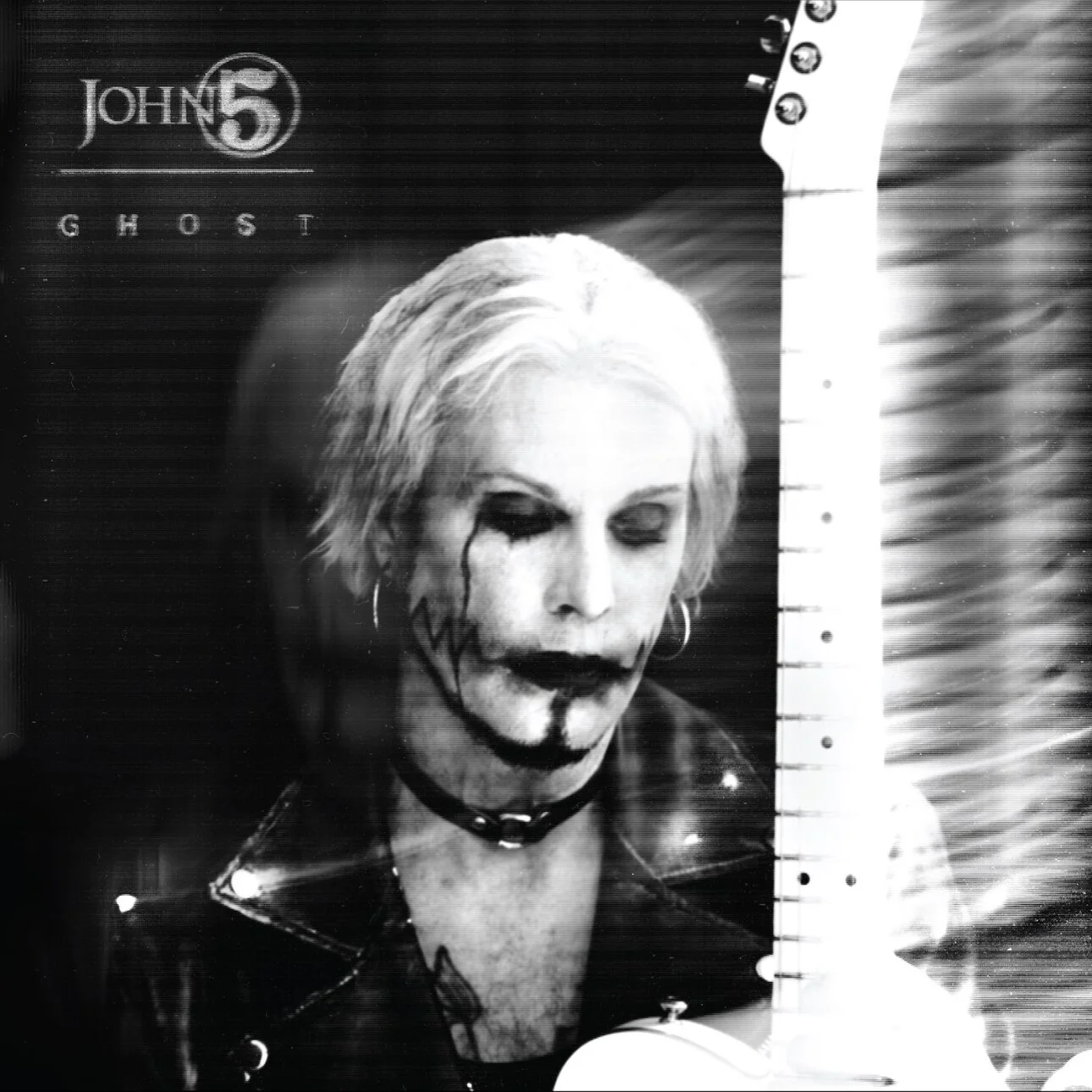
The same pursuit of precision shaped *Ghost*. John wanted to make the album as if it had been recorded in the 1940s, when musicians played together in one room and a mistake meant starting again. He contrasts that with later recording advances: punch-ins in the 1950s and ’60s, better technology in the ’70s, ADAT systems in the ’80s and digital tools in the ’90s that could transform a voice. Every track on *Ghost*, he says, is a performance. He also tries to play songs live exactly as they were written and recorded. Some listeners don’t like that fidelity, but he sees it as a demanding exercise in memory and control. His solo shows range across styles, with banjo and mandolin alongside guitar. One night might bring Chet Atkins-style playing; another moment might turn heavy and abrasive. John says audiences never quite know what’s coming.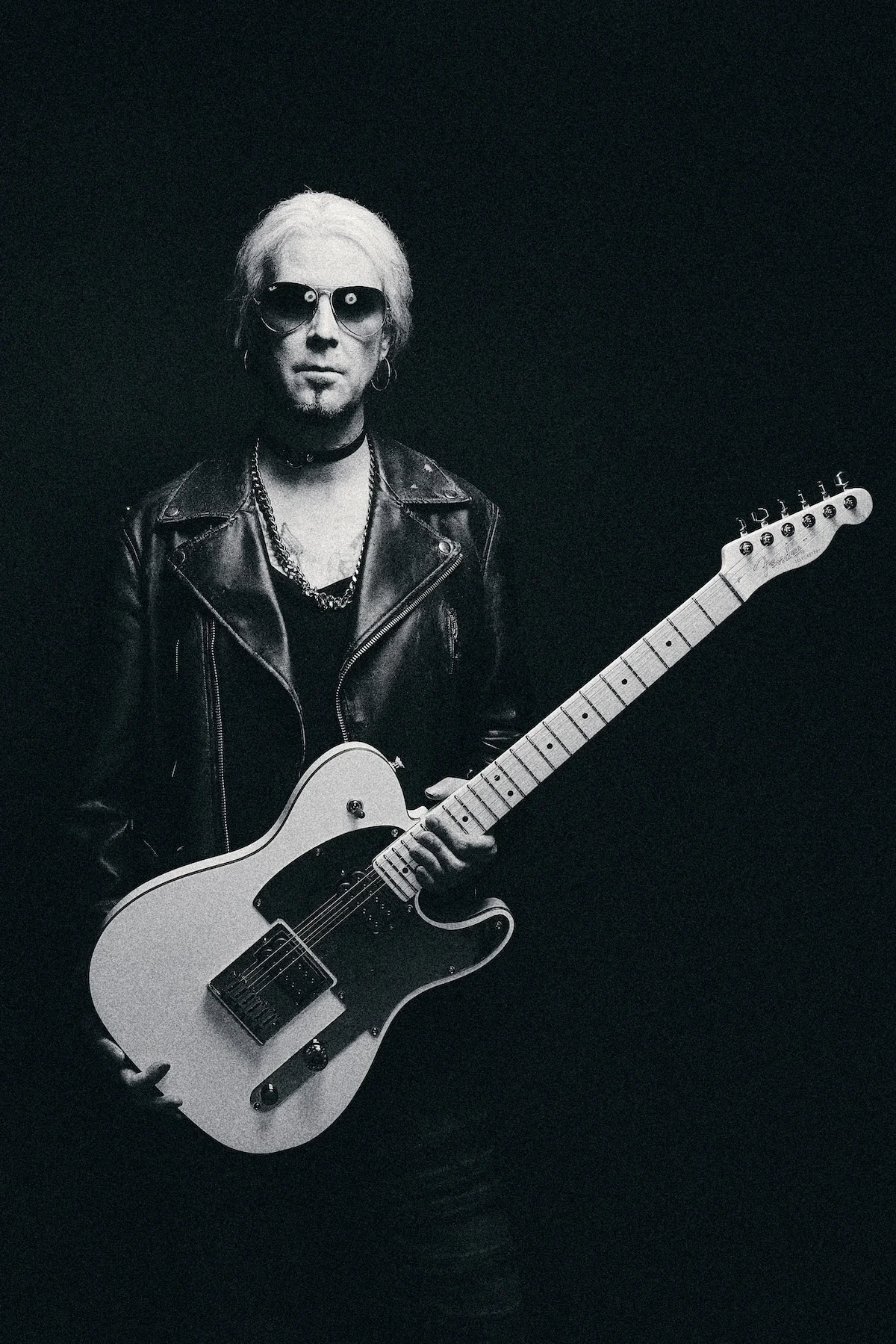
More from Spin:
- Update: System Of A Down Adds Fourth Rose Bowl Show
- The SPIN Q&A: Queens Of The Stone Age’s Josh Homme
- Flaming Lips ‘Throb’ On Third Man Debut
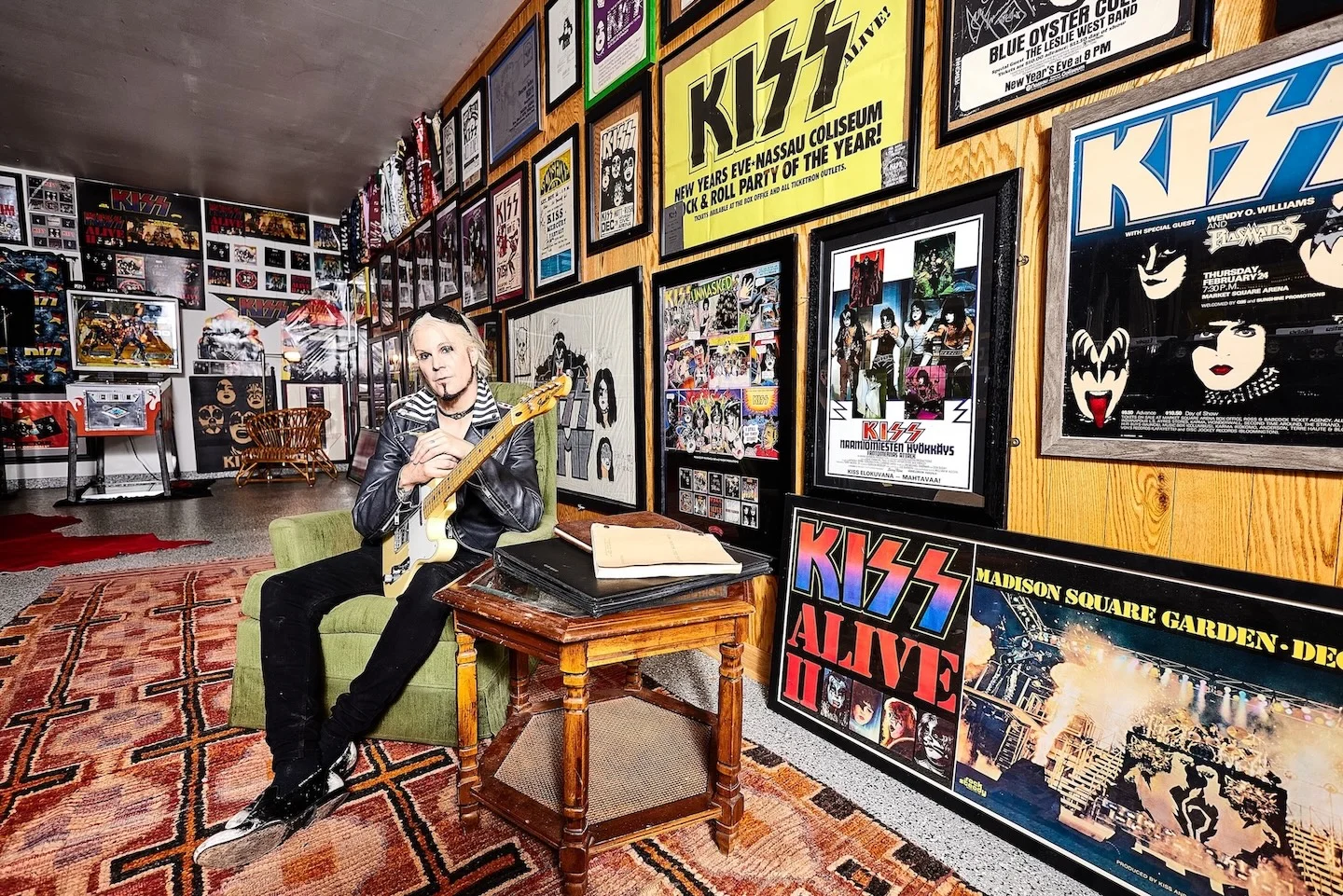
Related coverage: Dolly Parton’s death; John 5’s Kiss collection; and Salt-N-Pepa.
See SPIN’s list of the 100 greatest rock stars of all time.