A lawsuit over Elvis Presley’s songs puts a concrete price on one of the music industry’s central AI disputes: whether a company can use copyrighted work to train a model without permission. The rights holders are seeking about $48.6 million from Anthropic, while other public figures have pursued protections tied to their voices, images and performances.
These cases take different routes. Johansson challenged a voice she said recalled her performance in “Her”; Matthew McConaughey and Taylor Swift turned to trademark filings; Gal Gadot negotiated contractual safeguards. Together, they show how artists are testing existing tools against AI-generated replicas and uses of their work.
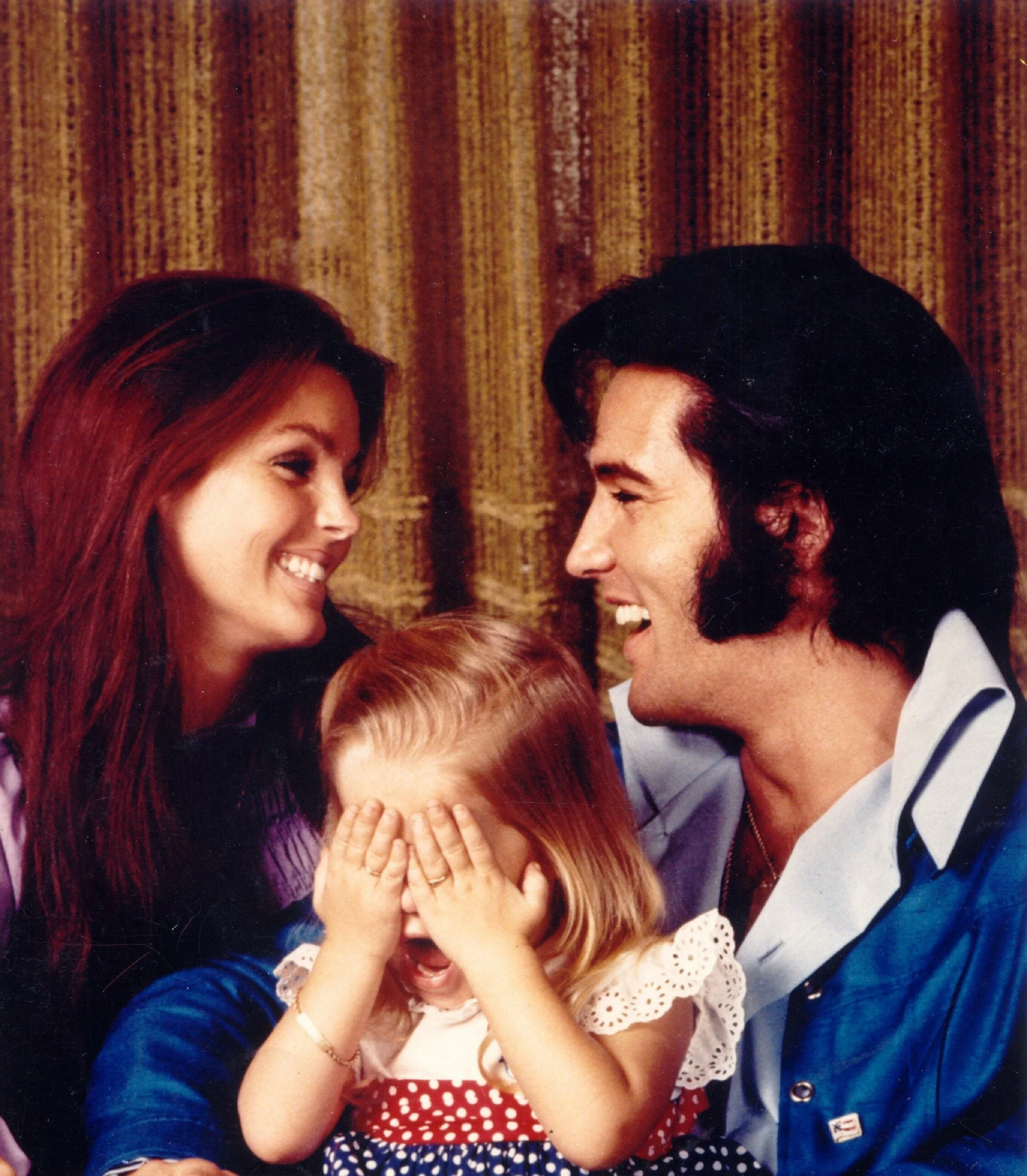
Elvis Presley’s Estate Seeks Nearly $50 Million From Anthropic
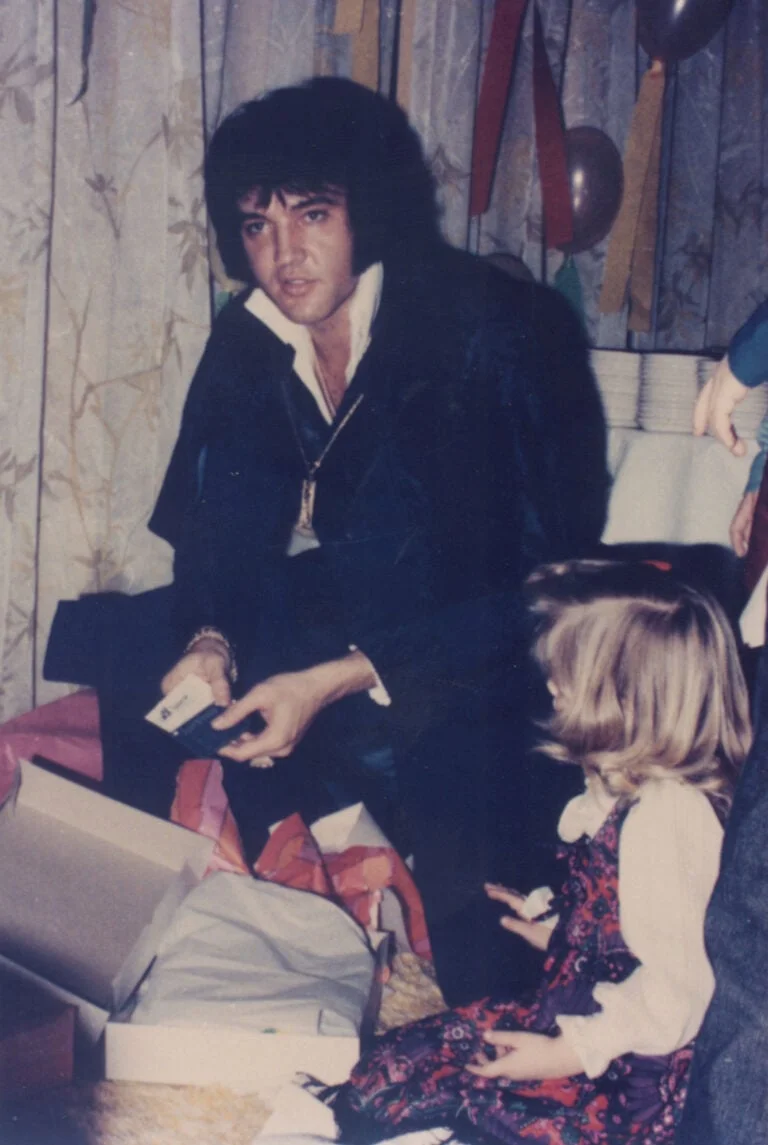
The Presley dispute centers on claims that Anthropic used copyrighted songs to train its Claude AI model without authorization. According to Variety, the plaintiffs are entities that own or control rights to Presley’s musical compositions. Their complaint names 274 songs, including “Can’t Help Falling in Love,” “All Shook Up” and “Don’t Be Cruel.”
The rights holders allege that Anthropic copied protected material without permission or licensing payments. They also raise claims involving the removal of copyright information and circumvention of digital protections. The complaint says Claude can generate material that closely resembles copyrighted songs, which the plaintiffs argue could diminish the value of the originals.
Anthropic has rejected the allegations and said it will defend itself. The claims remain unresolved; they are not findings by a court. The case’s significance lies in the questions it puts before the legal process: what training uses are permitted, and how should the value of creative work be protected when models can produce similar material?
Scarlett Johansson Challenged AI Voice Concerns And Deepfakes
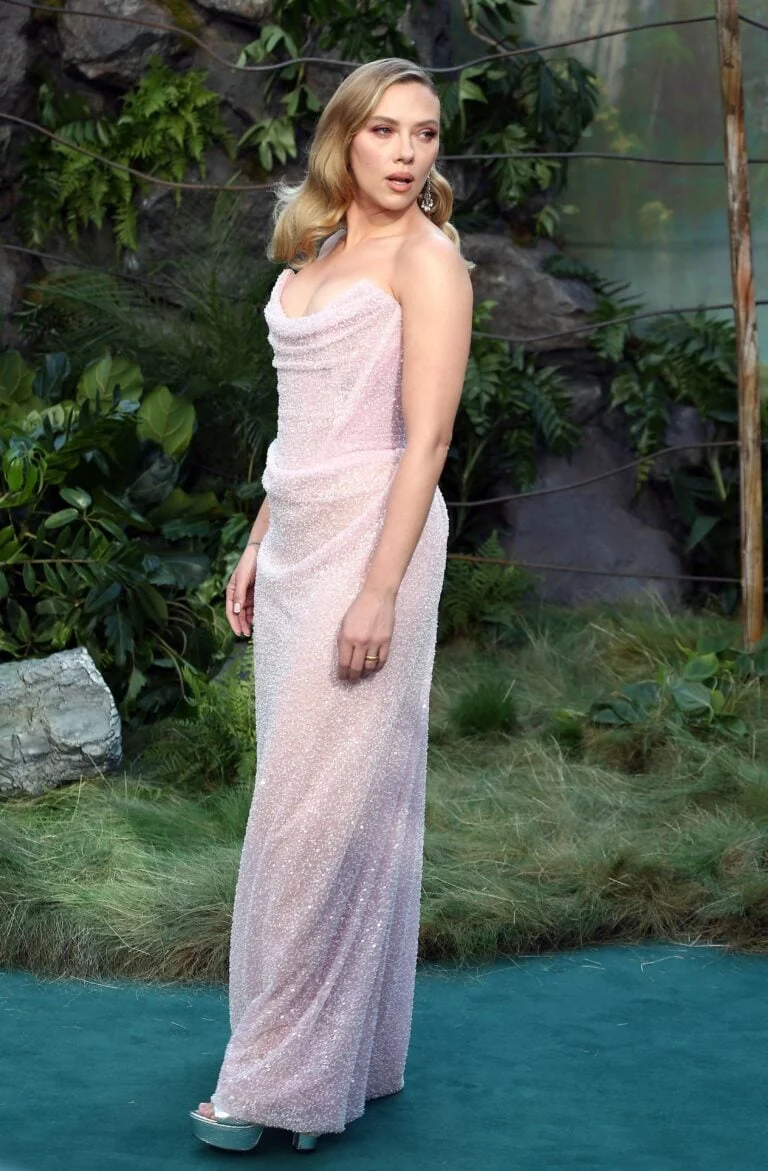
Scarlett Johansson’s 2024 dispute with OpenAI focused on a voice, rather than training data. After the company introduced ChatGPT’s Sky voice, listeners compared it to Johansson’s voice in the 2013 film “Her.” She said OpenAI CEO Sam Altman had asked her to voice the assistant before its launch; she declined.
Johansson said she was shocked by the resemblance and sought legal clarification about how Sky was made, NPR reported. OpenAI denied that Sky imitated her, saying a different professional actress had recorded the voice. The company later paused Sky’s use.
She also condemned a fabricated video showing her and other Jewish celebrities criticizing Kanye West. In a statement reported by The Blast, Johansson warned about AI’s potential to spread hate speech and misinformation and urged the US government to act.
- Helen Mirren makes a U-turn about AI after dramatic 2024 Award scene: “It doesn’t hurt that much”
- Zelda Williams has had enough of AI videos featuring her dad Robin Williams: “Let him rest”
- Kelly Clarkson admits she “loves” AI except for one big catch.
Matthew McConaughey Turned To Trademarks To Protect His Identity
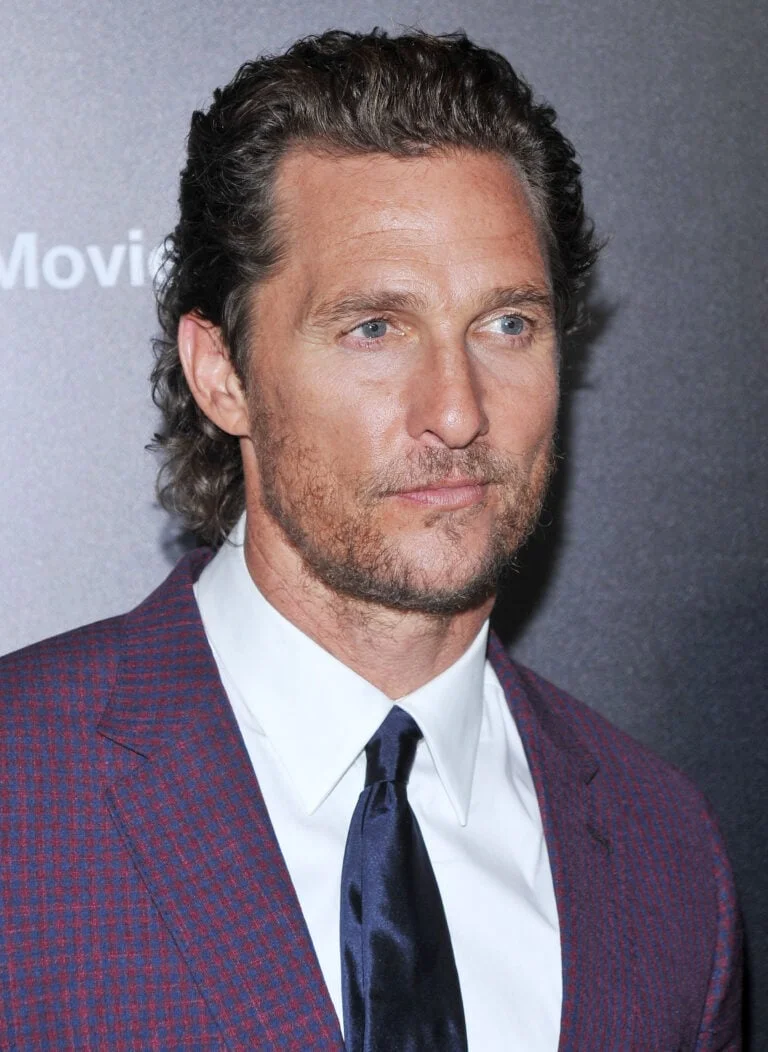
McConaughey has tried to define boundaries around his recognizable identity through trademark registrations. In January 2026, he secured approval for eight trademarks covering audio and visual elements associated with him, including “Alright, alright, alright,” his line from the 1993 film Dazed and Confused, according to The Blast.
The approach aims to give his team clearer grounds to challenge commercial uses of those distinctive features. It also highlights a practical limit of the current debate: artists are drawing on different legal mechanisms, and their reach depends on the specific use and the rights at issue.
Taylor Swift Filed Trademarks Covering Her Voice And Image
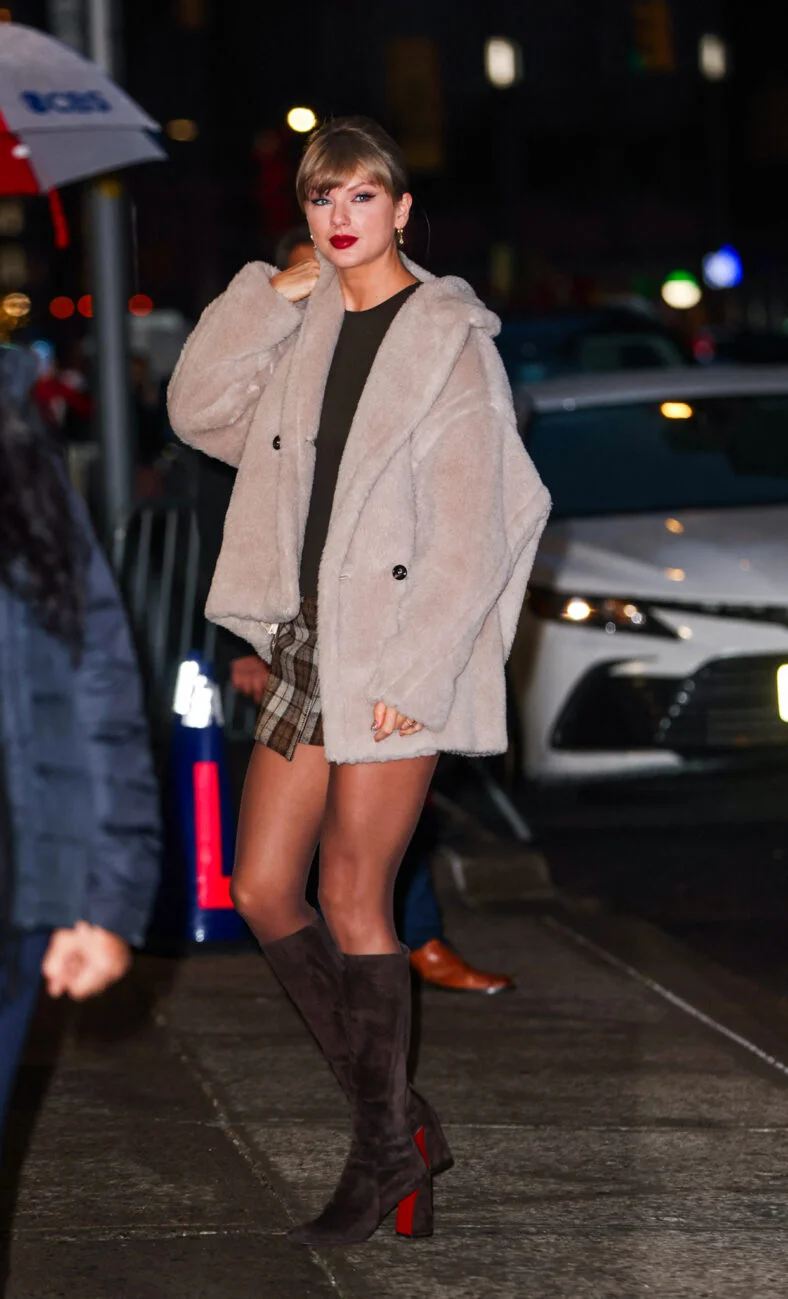
Taylor Swift’s company, TAS Rights Management, filed three trademark applications in April 2026, covering two voice recordings and an image of the singer, The Blast reported. The audio marks feature Swift saying, “Hey, it’s Taylor Swift” and “Hey, it’s Taylor.” The image shows her performing on the Eras Tour.
The filings came after sexually explicit AI-generated images of Swift circulated in January 2024, drawing attention to how quickly fabricated content can spread. Trademark applications offer one way to identify protected material, though their filing alone doesn’t resolve every question about unauthorized AI content.
Gal Gadot Fought To Keep AI Out Of Her Acting Performance
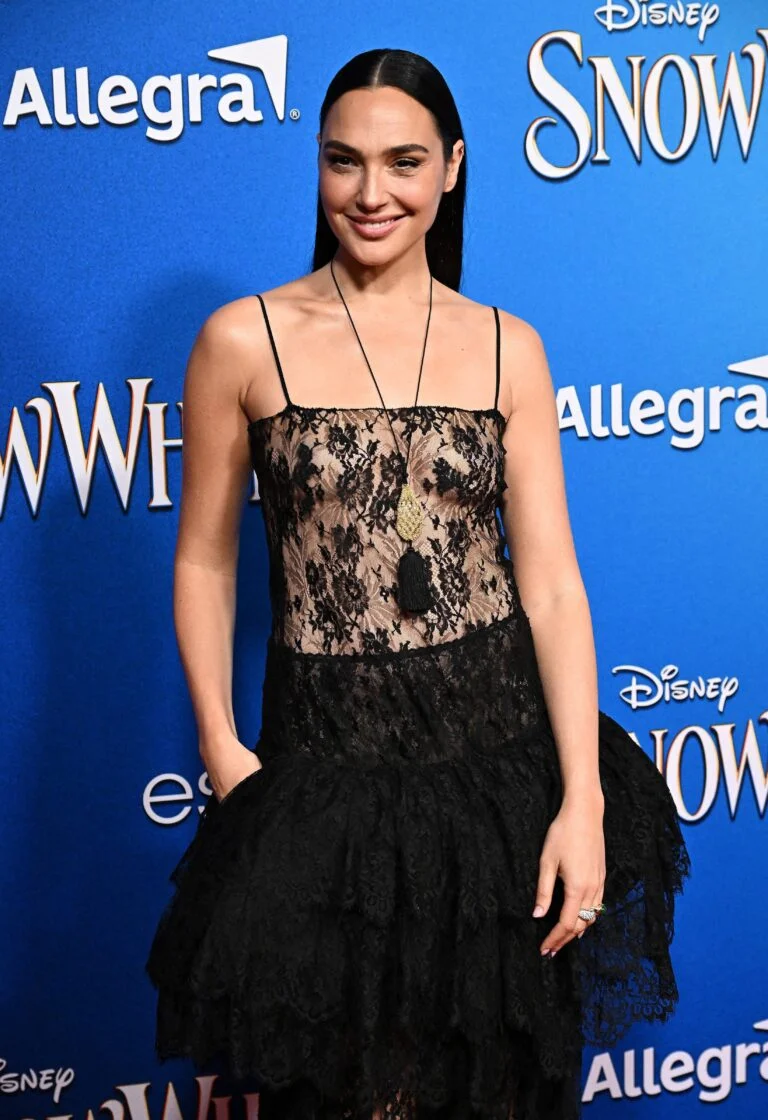
Gadot addressed the issue before a performance reached audiences, negotiating limits on AI’s role in her upcoming film “Bitcoin.” On the “Happy Sad Confused” podcast, she said her lawyers spent six months working through possible AI-related scenarios with the production team, according to The Blast.
“We had to protect that, to such an extent that SAG called my lawyers to ask for pointers to update the SAG contract to protect other actors,” Gadot said. She added, “As far as the performances, it’s all me.”
The Presley lawsuit, voice dispute, trademark filings and contract negotiations point to a common challenge: protecting creative work and personal identity as AI systems make imitation easier. The outcomes will depend on how courts, companies and rights holders address each specific use.