Donald Trump’s jokes about Melania Trump are drawing attention for more than their punchlines. At rallies, he has recounted her reported objections to his behavior, then performed the very antics she supposedly criticized. The audience gets a comic bit; the private disagreement becomes public material.
That pattern is what relationship professionals interviewed by HuffPost focus on. They describe the remarks as possible “hostile humor” and “triangulation”: a partner shares a private exchange with an audience, inviting others to laugh while the person at the center of the story has little say in how it is presented. Their comments concern the behavior’s potential effect on trust, not a definitive assessment of the Trumps’ marriage.
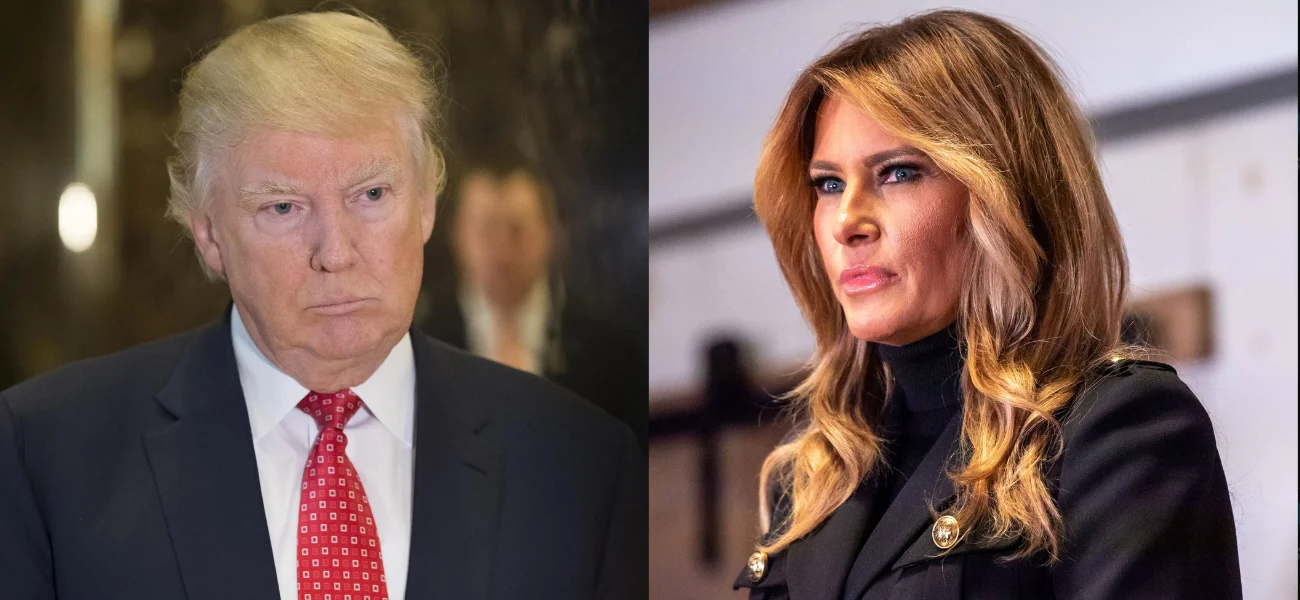
Donald Trump has used remarks attributed to Melania Trump as crowd work at public appearances. In Wasilla, Alaska, and Bullhead City, Arizona, he discussed her reported disapproval of his impressions of transgender athletes and his “YMCA” dance. He then carried on with the performances she allegedly dislikes.
“You’re president of the United States; you shouldn’t be doing this,” Melania reportedly told him. Trump recounted the comment to rallygoers, turning her criticism into part of the routine. That choice matters to Amy Begel, a therapist at Mount Sinai School of Medicine in New York City. As HuffPost reported, Begel said the display was “of course about him, with Melania in this case as the punching bag.”
When private advice becomes public material
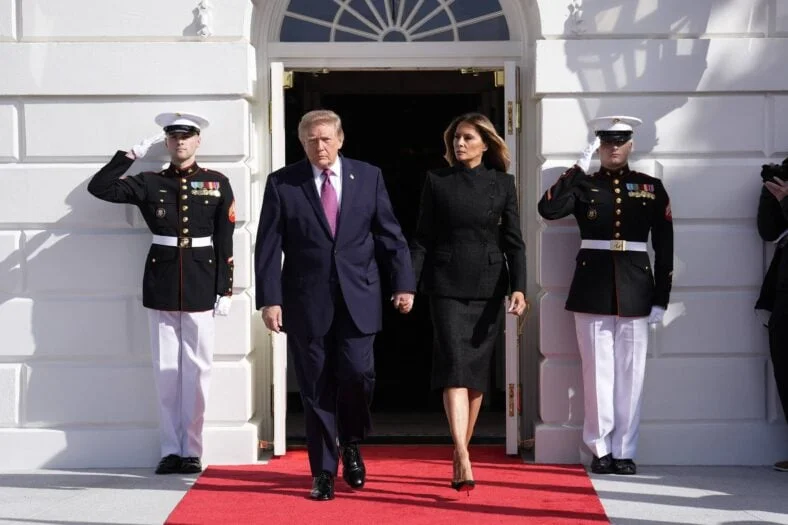
Begel’s concern is the shift from disagreement between two people to a performance for a crowd. Sharing a partner’s private remarks for laughs, she argued, can undermine trust and become “a power play, a game of one-upmanship mixed with humiliation.” The audience’s reaction may reward the speaker, while the partner whose words are being repeated has to absorb the joke in public.
Los Angeles psychologist Cason similarly characterized the remarks as “hostile humor”: mockery framed as harmless joking or a playful anecdote. In Cason’s reading, the issue is not only that Trump reportedly disregarded Melania’s advice. He also disclosed it to a crowd and invited them to laugh. “Recruiting the audience creates a power imbalance in that moment,” Cason said. “He appears to be using her for material, not advice.”
Jennifer Chappell Marsh, a marriage and family therapist, described the broader dynamic as “triangulation.” She said she sees versions of it among couples, including when one partner tells an embarrassing story about the other or makes them the target of a joke in front of other people. The added audience changes the exchange: what might have remained a disagreement between spouses becomes a public moment in which one person is exposed and others are encouraged to respond.
“Everyone laughs, but the person on the receiving end doesn’t find it funny. They feel embarrassed and devalued,” Chappell Marsh told HuffPost. She described a potential disconnect in which one partner feels “hurt and dismissed” while the other believes the joke was harmless and feels criticized for telling it. If that pattern continues after the concern has been raised, she said, it “may signal something deeper such as underlying resentment being expressed passive-aggressively through ‘humor.’”
Other public remarks add context
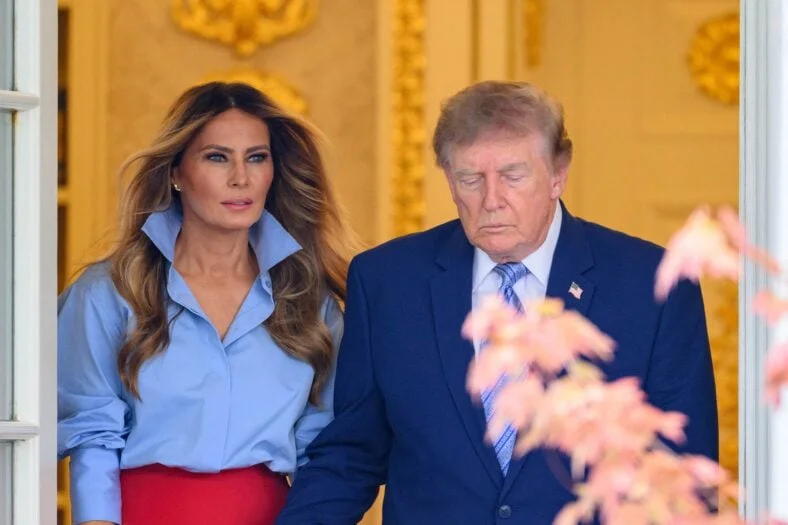
The rally stories sit alongside other remarks Trump has made about his wife in public. At a White House Rose Garden event establishing a Women’s Health Task Force, he praised Melania’s contribution to bringing attention to women’s health, then turned to her personality. “Well, you think she’s easy. She’s not so easy,” he said, prompting laughter. He also called her “very smart” for championing the initiative.
Two days later, at a rally in Pendleton, South Carolina, Trump spoke about Melania’s documentary, “Melania,” and joked about her behavior after its release. He had previously said there was no room for another star in the family besides himself. At the rally, he told the crowd, “Since then … she’s been absolutely impossible to live with.” The lines drew on the same comic premise: Melania’s visibility or response becomes the setup for a joke delivered to an audience.
That premise also appeared during the Rose Garden signing. As the couple signed the executive order, Trump praised his own signature—“Oh, that’s a good one”—then said of Melania’s, “I don’t know if her signature means anything.” She smiled and replied, “Yours is the most important.” Trump added that their signatures looked “similar,” although his was reportedly almost three times the size. The exchange spread on social media, where critics said he had humiliated her.
The pattern, and what it can show
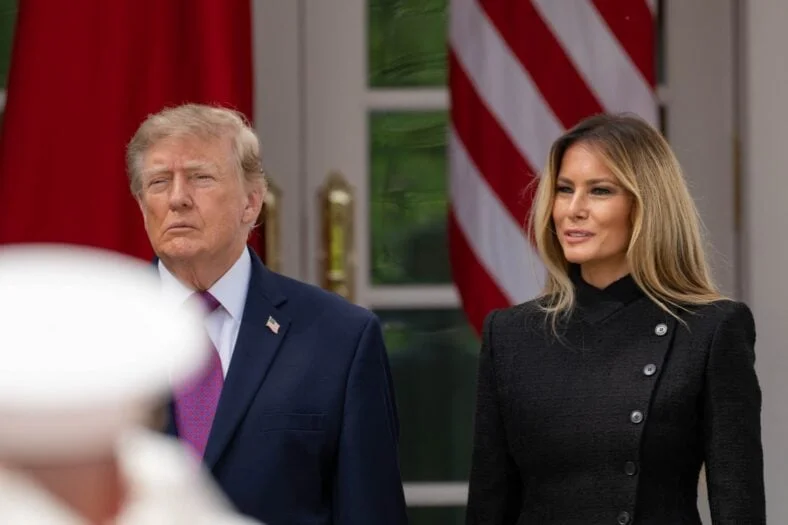
Each remark can be taken as a joke, and the source material doesn’t establish how Melania privately views these exchanges. The therapists’ analysis instead centers on repetition and context: whether a partner’s concerns are heard, whether the same joke continues after it causes hurt, and whether a public audience is brought in to validate the person telling it.
Author Michael Wolff has separately claimed that Melania’s time in the spotlight puts her in “direct conflict” with Trump, saying Trump “can’t stand anyone else being the center of attention.” That is Wolff’s interpretation, not a conclusion established by the rally remarks. Still, the public jokes about Melania’s profile and objections give observers a recurring set of moments to examine.
Related coverage has also discussed experts’ claims about Melania’s nonverbal avoidance of intimacy, reports about her ceasefire comments amid a clash with Pope Leo, Trump’s remarks about married life, and claims of direct conflict in the marriage. Those accounts are separate from the therapists’ analysis of the rally jokes and the White House exchanges described here.
- Melania showed “absolute nonverbal avoidance” of intimacy with Trump, experts claim.
- Melania’s ceasefire claims take a shocking turn amid clash with Pope Leo
- The first lady showed “nonverbal avoidance” of intimacy with Trump during an awkward kiss.
- Trump’s unexpected comments about married life with Melania raise eyebrows.
- Melania and Trump are in “direct conflict” in their marriage, author claims.
- Worries mount for Melania over Trump’s “disrespectful” behavior with Natalie Harp.
- The first lady’s five-word warning to Trump at the Grand Prix event was revealed.
For relationship professionals, a joke’s impact depends partly on whether both people can share in it. In these public examples, Melania’s reported objections become punchlines and the crowd supplies the laughter. The ongoing question is whether that dynamic remains a recurring feature of Trump’s public storytelling—and how the couple responds when private friction is repeatedly brought onstage.
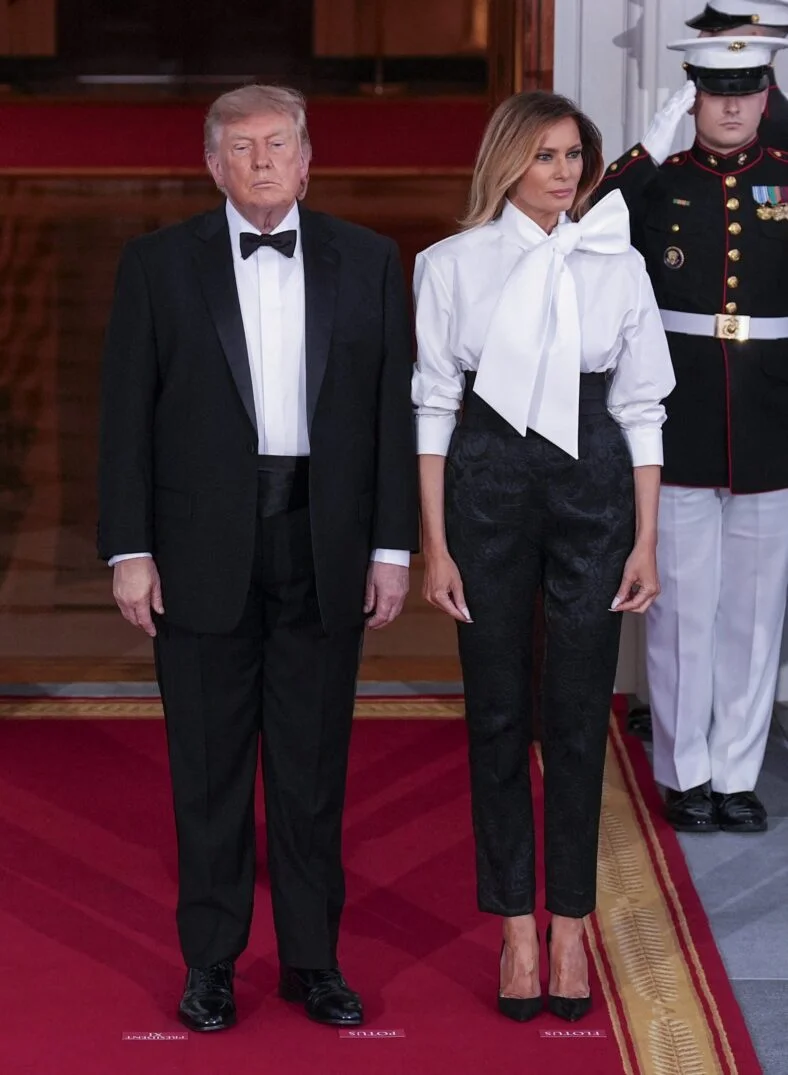
The documentary quip and the rally accounts make the same format visible: a comment about Melania sets up a laugh, while the audience sees only the version Trump chooses to tell. That doesn’t settle what the remarks mean inside the marriage. It does explain why therapists interviewed by HuffPost see a potential cost in making a partner’s private words part of a repeated public routine.
A recurring bit with an uncertain private meaning
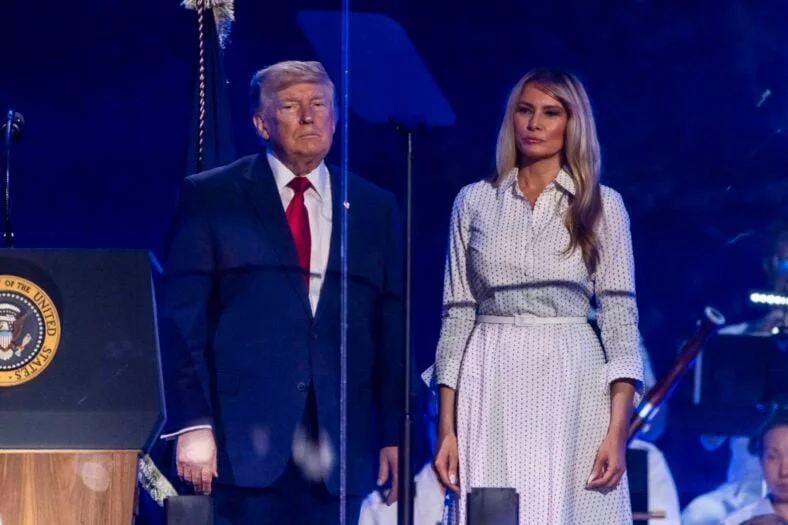
The accounts described here span campaign rallies and White House appearances, and they share a central feature: Trump’s jokes place Melania’s personality, advice, or public profile before an audience. The reported laughter tells us how the room responded; it doesn’t tell us how she felt afterward. The experts’ point is narrower: when private criticism becomes a public punchline, repetition can make the joke feel less like shared humor and more like dismissal.
That distinction gives the pattern its significance. A single quip offers little basis for reading a relationship. Repeatedly turning a partner’s objections into crowd material, however, raises a question about boundaries and trust that the punchline itself can’t answer.